Yarn Over in Lace Knitting: The Complete Beginner’s Guide
August 1, 2026
When Crafting Doesn’t Calm: Knitting, Anxiety & Healing
August 11, 2026Centered Double Decrease (CDD / s2kp): A Simple Step-by-Step Guide
: Step-by-Step Knitting Guide)
Originally published on August 7, 2026
You know that feeling when you sit down to write one simple blog post and somehow end up going down a complete rabbit hole? That's exactly what happened to me this week.
It all started innocently enough. I wanted to add a basic increase to my knitting basics series, the yarn over increase. Sounds simple, right? Well, turns out yarn overs are way more complex than I originally thought. That's why I ended up writing a whole separate post about using yarn overs in lace knitting. And then, because lace knitting kind of demands it, I started prepping a post about how to read lace charts.
You might be wondering what all of this has to do with the centered double decrease, so let me explain.
As I was pulling together charts to show you, I realized something embarrassing. I had completely skipped over another fundamental decrease on my blog. Not just any decrease, the centered double decrease. Or as it's more commonly known in pattern shorthand, the CDD.
I've been using this decrease for years. In hats. In sweaters. Definitely in lace. But somehow I never thought to dedicate a post to it. So here we are, fixing that oversight.
Centered Double Decrease (CDD / s2kp)
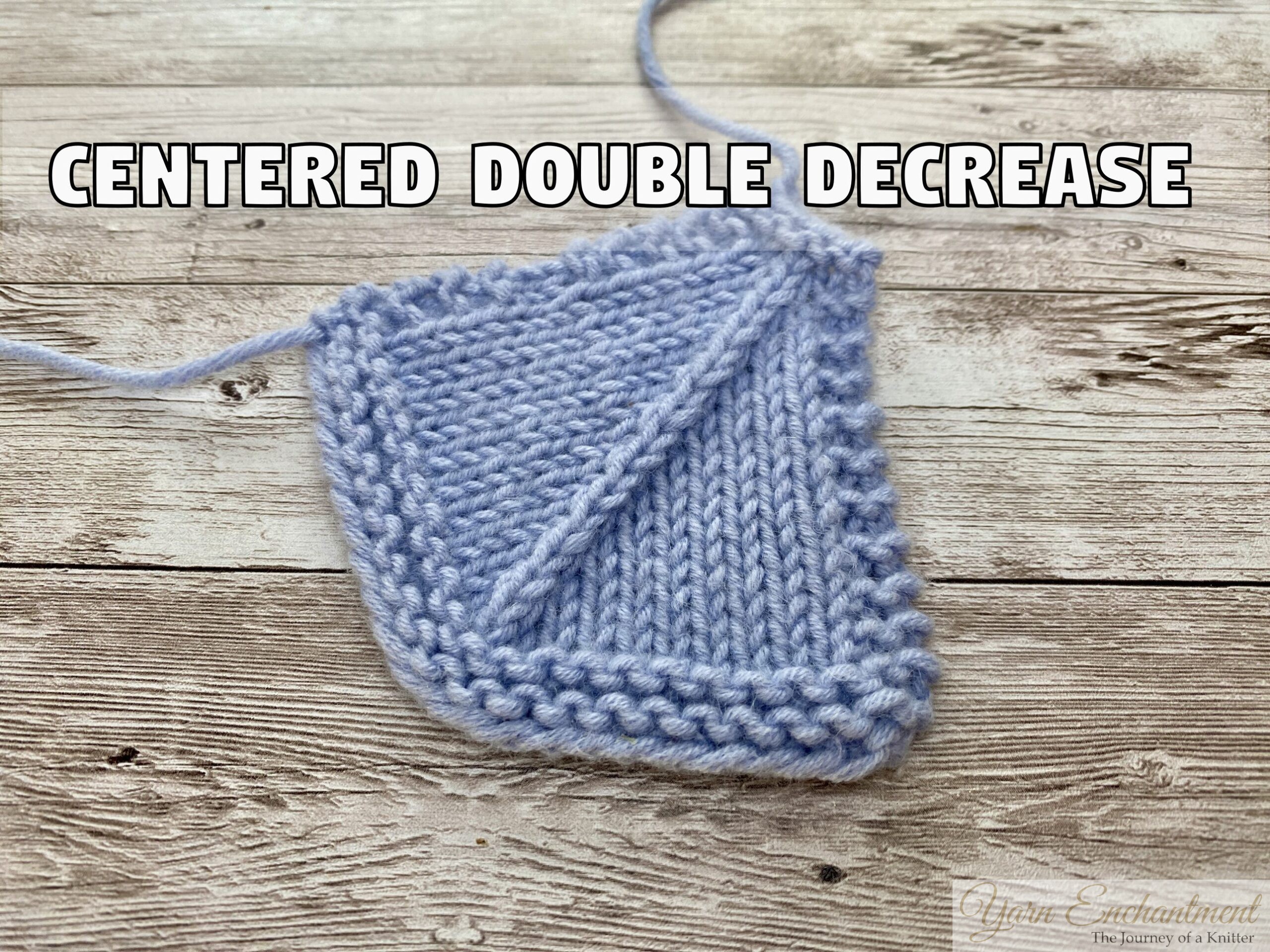
Table of Contents
- What is a CDD?
- Why a CDD matters
- Where to use it
- How to knit a CDD: Step-by-Step
- Pattern abbreviations
- Common mistakes and key tips
- Video tutorial
- Frequently Asked Questions
- Want more?
What is a CDD?
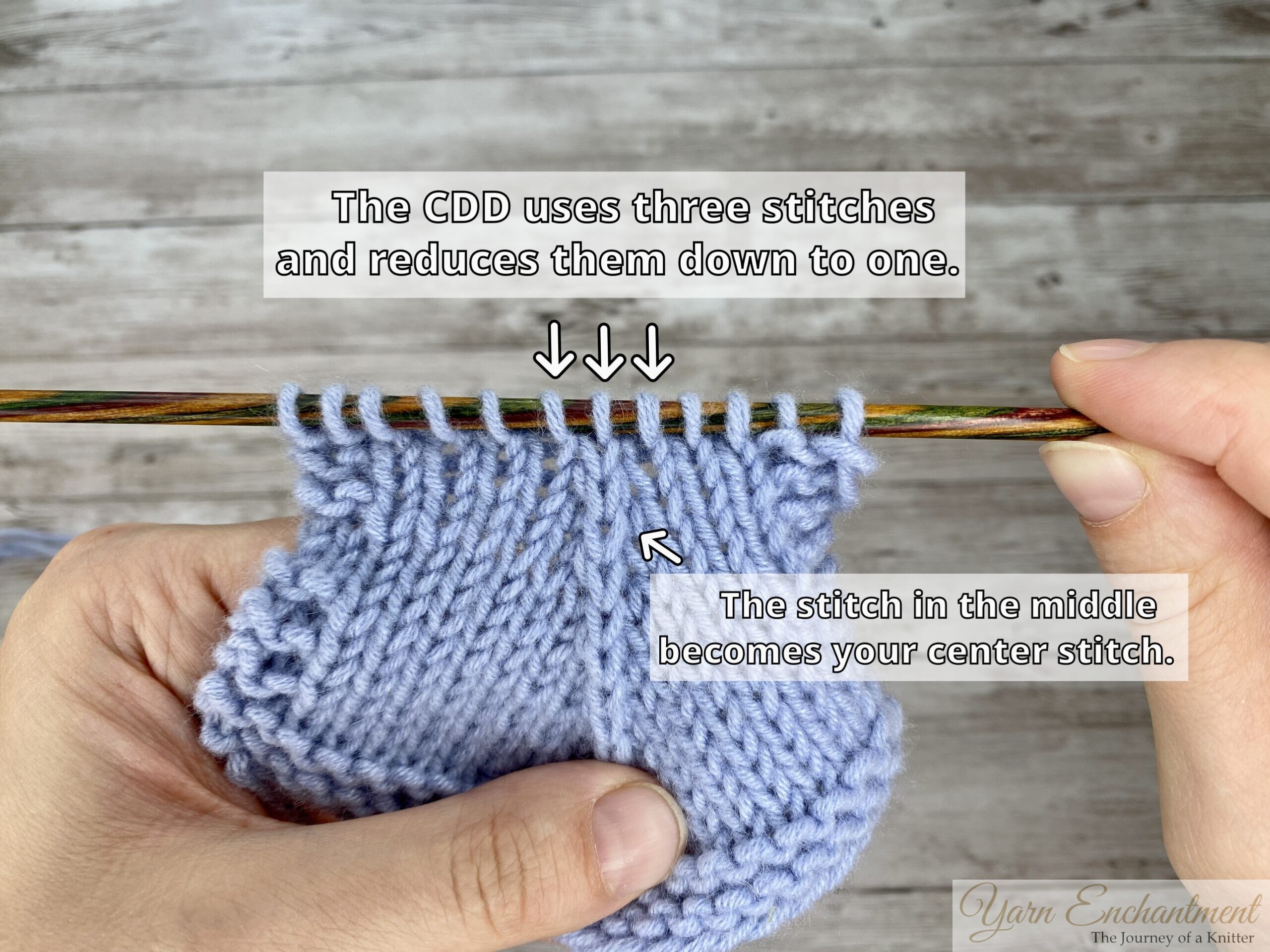
A centered double decrease is a technique that takes three stitches on your needle and reduces them down to one. That means you're decreasing two stitches at once.
If you've been knitting for a while, you've probably seen it written in patterns as s2kp or sometimes s2kp2. Different designers use different abbreviations, but it's all the same decrease.
Why a CDD matters
Here's the thing that makes the CDD special. Most decreases lean one way or another. An SSK leans left. A K2tog leans right. They're both great, but they're asymmetrical.
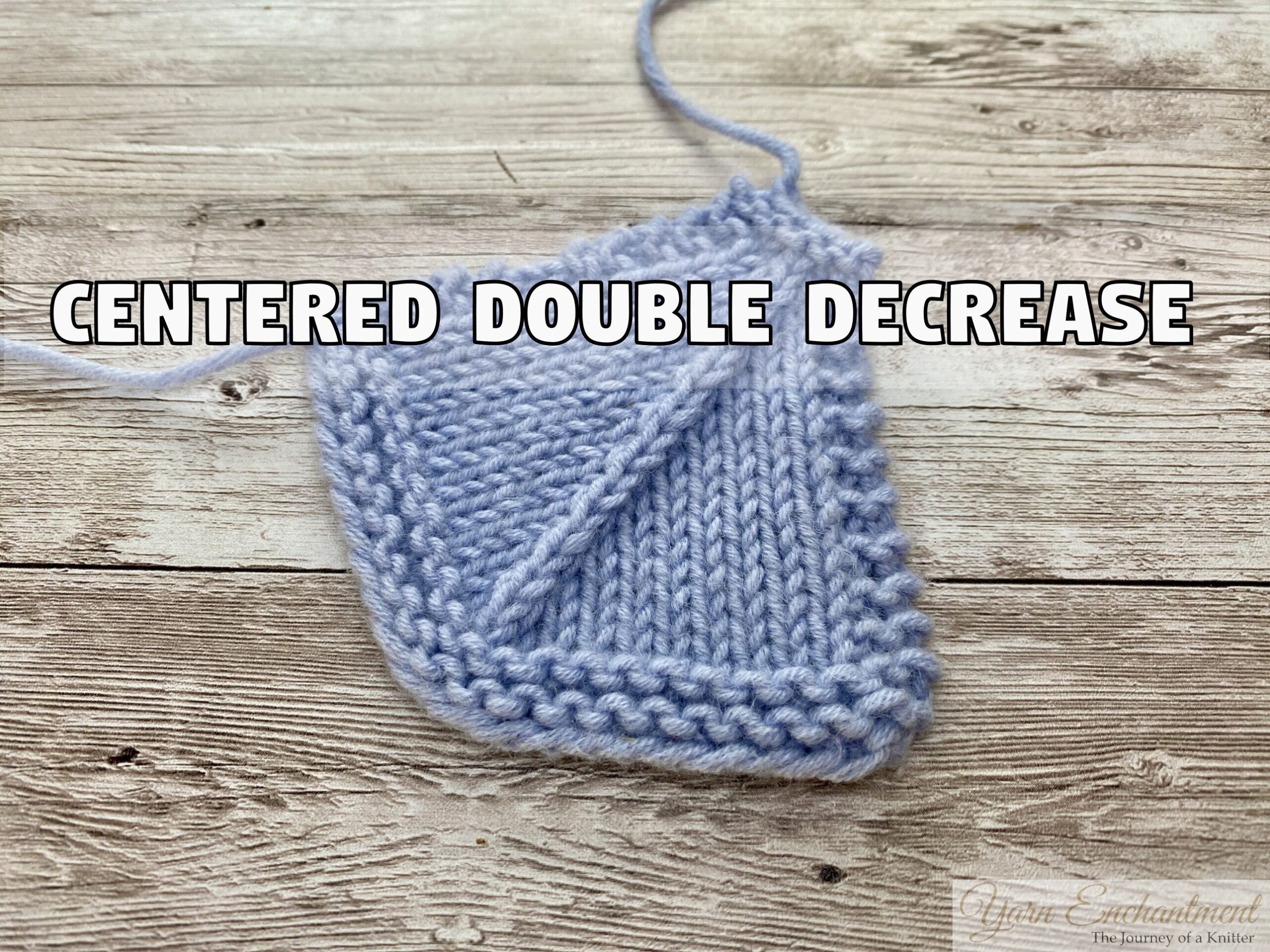
The CDD doesn't lean at all. It's perfectly centered. Completely symmetrical. The middle stitch sits right on top, creating this neat, balanced vertical line that just looks professional.
Where to use it (Lace • Hat crowns • Garment shaping)
You can use this decrease almost everywhere. But let me break down the main uses.
Lace Knitting
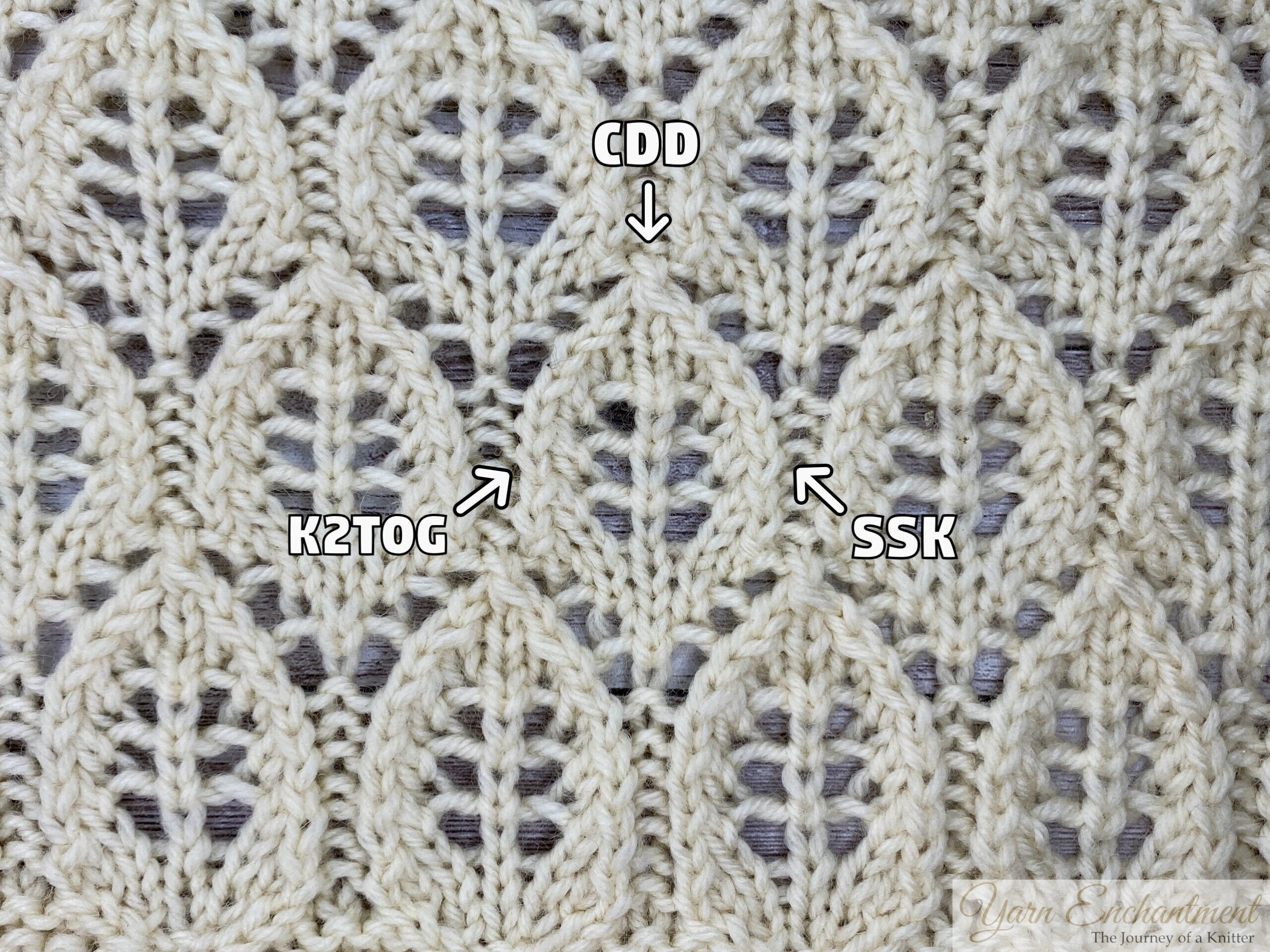
This is probably the most common place you'll see a CDD. In lace patterns, it's often used to create the tips of leaves or the points of petals. It pairs beautifully with yarn overs on either side, keeping that open, airy feel while shaping the fabric.
In the Agram Shawl all three techniques + the yarn over are used to form really cute leaves.
: Step-by-Step Knitting Guide)
Hat Crowns
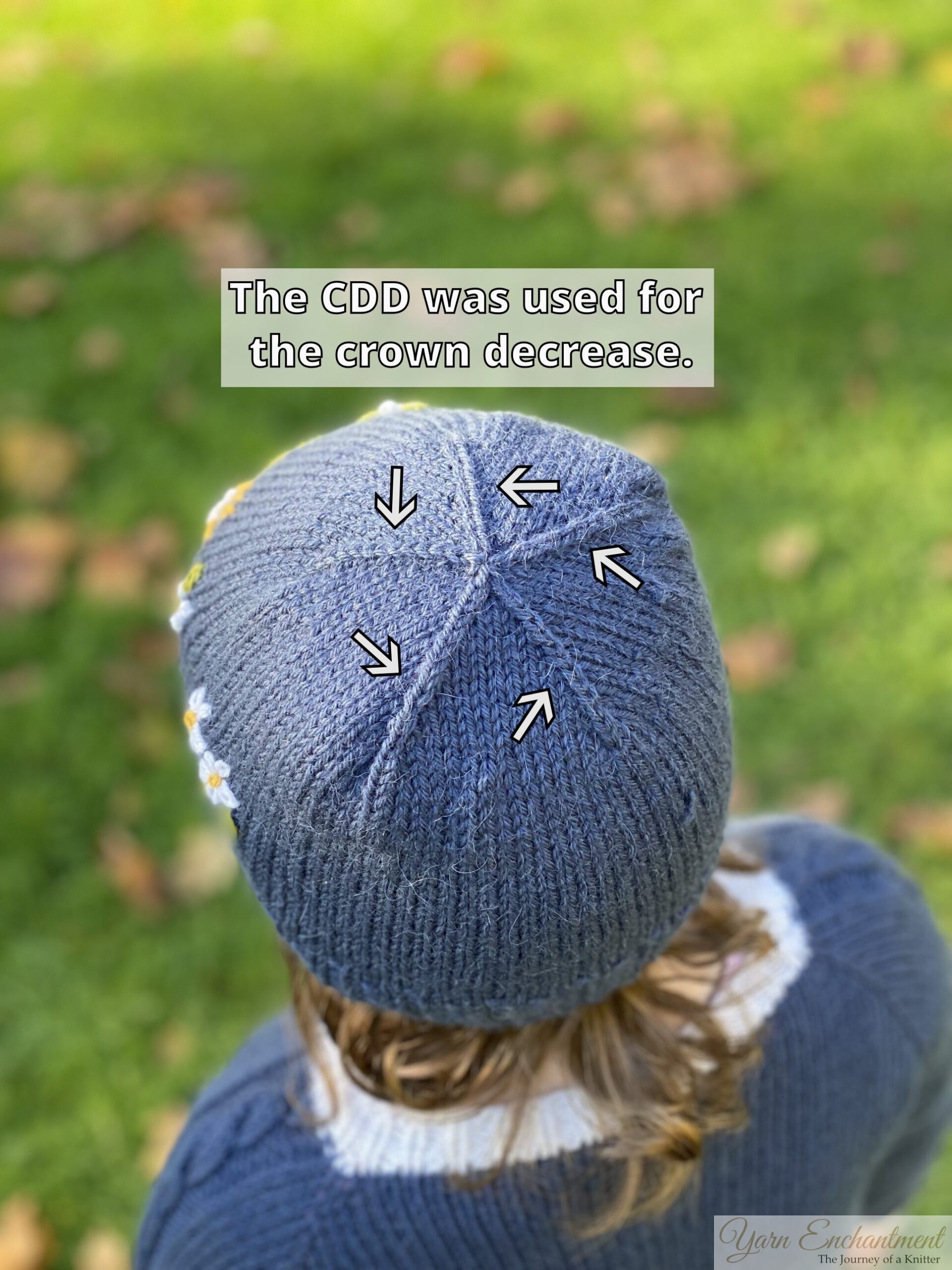
If you've ever knit a tam or a colorwork hat, you've almost certainly used a CDD without even realizing it. When you work them in repeating rounds, they create these gorgeous decorative spokes that radiate out from the center. The crown shapes beautifully and looks polished rather than lumpy. It's my go to for a hat crown decrease.
The Williams hat uses the CDD to shape the crown decreases. I just love this kind of decrease, so I use it all the time.
: Step-by-Step Knitting Guide)
Garment Shaping
Beyond lace and hats, the CDD is genuinely useful for shaping sweaters and cardigans. It's perfect for raglan decreases and gives a really clean line at the center front of a V-neck.
How to knit a CDD: Step-by-Step
Alright, let's get practical. Grab your needles and some scrap yarn, and let's work through this together.
Before you start:
You'll be working over 3 stitches
Those 3 stitches become 1 stitch
The result is centered and symmetrical, no leaning!
Before we begin, let's take a moment to look at the three stitches you'll be working with. They sit side by side on your needle, and each one has a role to play. The first and third stitches are the supporting cast, and the middle stitch is the star. When you work a CDD, that center stitch stays right on top, while the two outer stitches disappear. What's left is a single, beautiful stitch that forms a neat vertical line.
: Step-by-Step Knitting Guide)
Step 1: Slip two stitches together knitwise
You want to slip the next two stitches on your left needle together, knitwise, onto your right needle.
Work to the stitch just before your center stitch.
Insert your right needle knitwise into the next two stitches on your left needle, just like you're going to knit them together.
But don't knit them. Instead, just slip both stitches together onto your right needle.
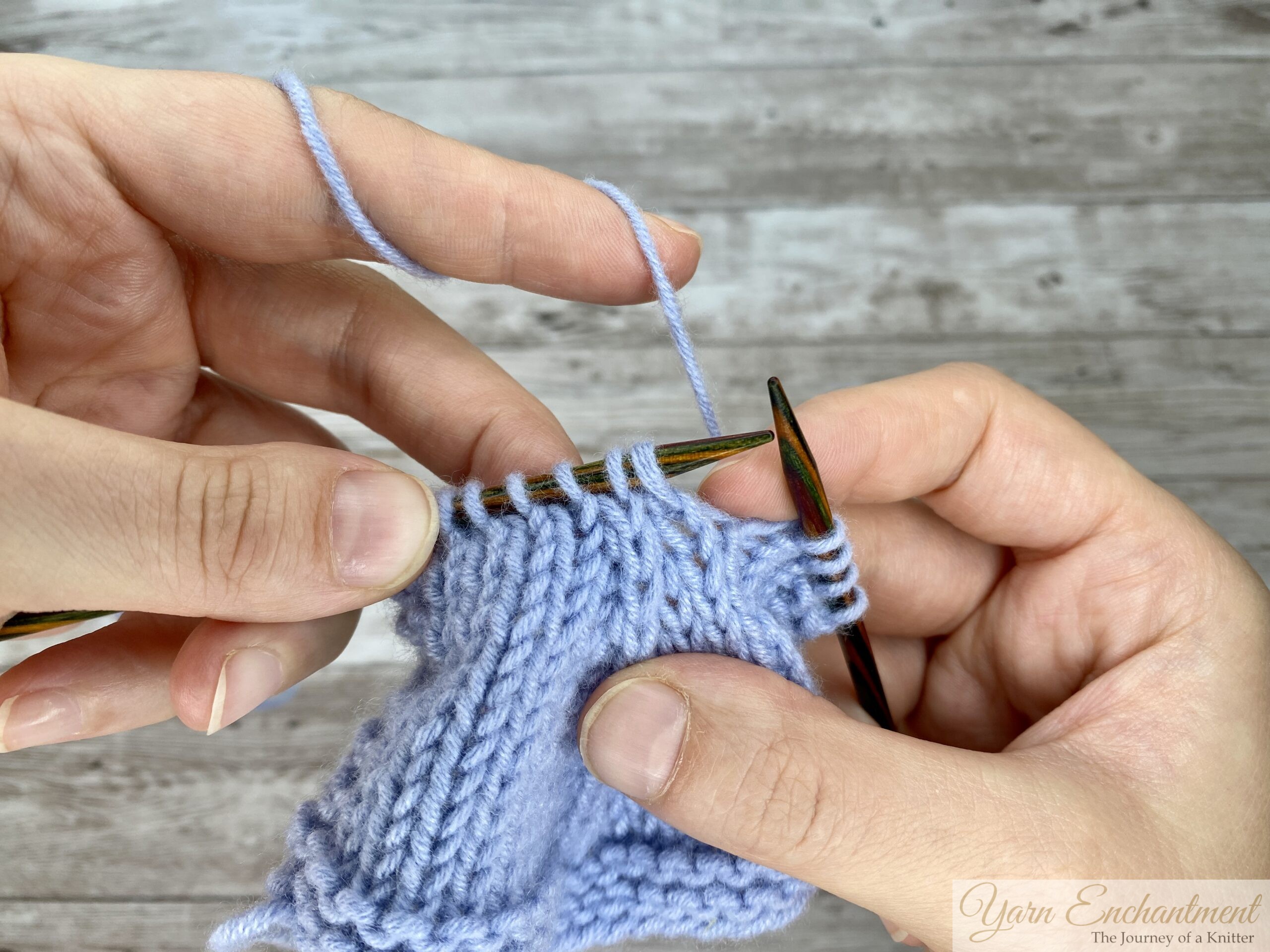
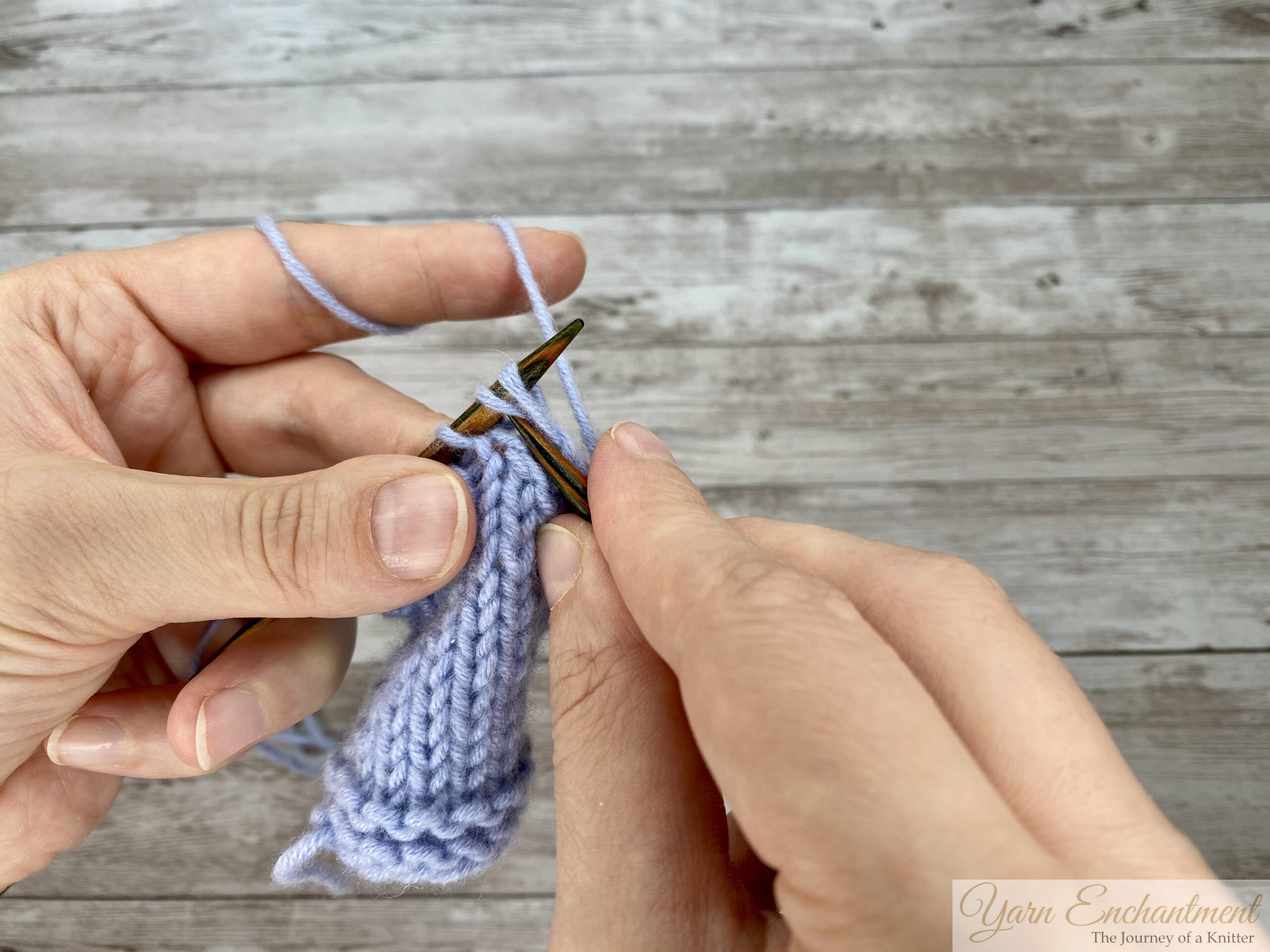
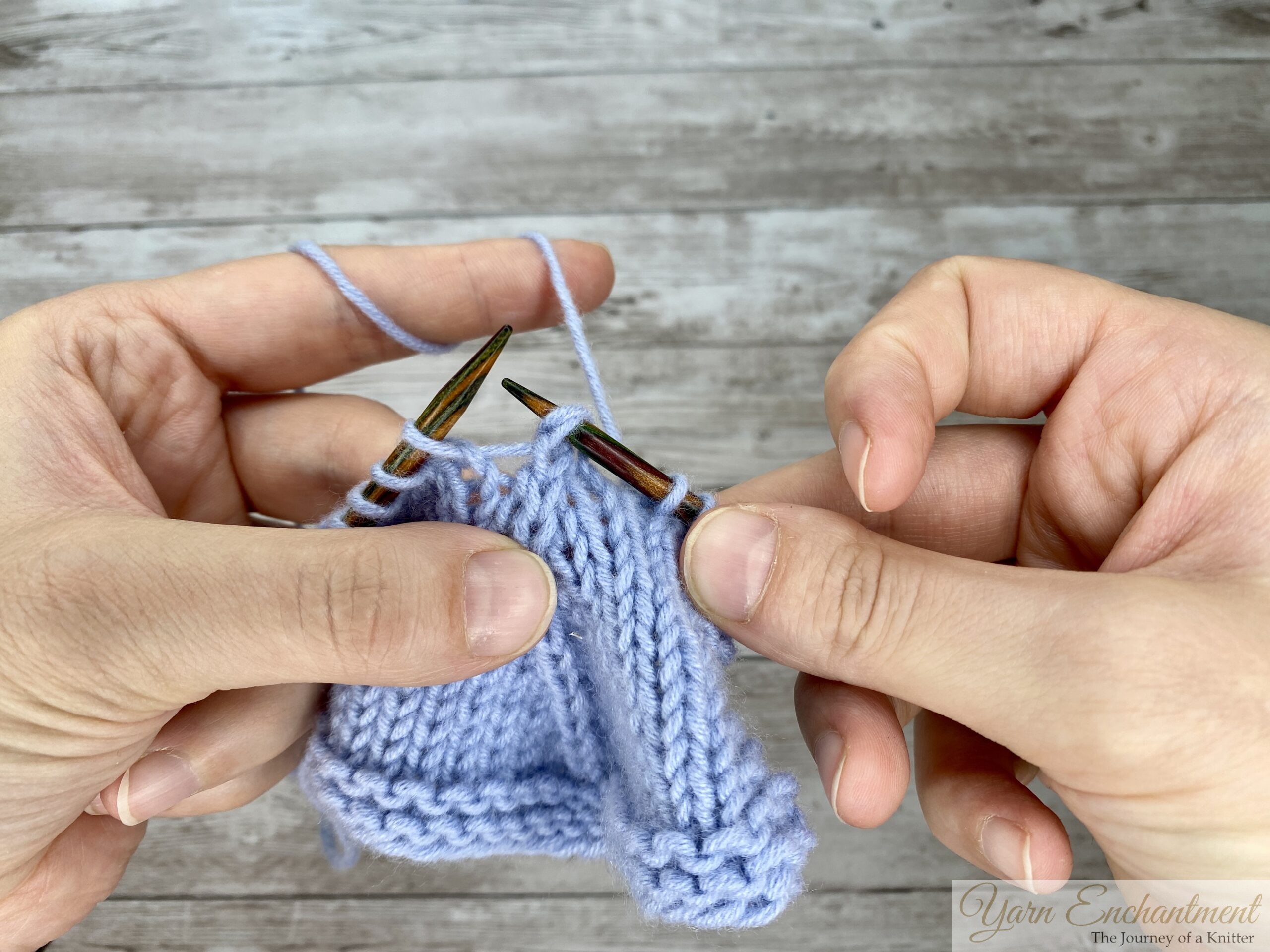
: Step-by-Step Knitting Guide)
: Step-by-Step Knitting Guide)
: Step-by-Step Knitting Guide)
Step 2: Knit one stitch
Knit the next stitch on your left needle in the usual way.
Now knit the very next stitch on your left needle. Just a regular knit stitch.
At this point, you've got three stitches on your right needle. The first two are the slipped ones, and the third is your new knit stitch.
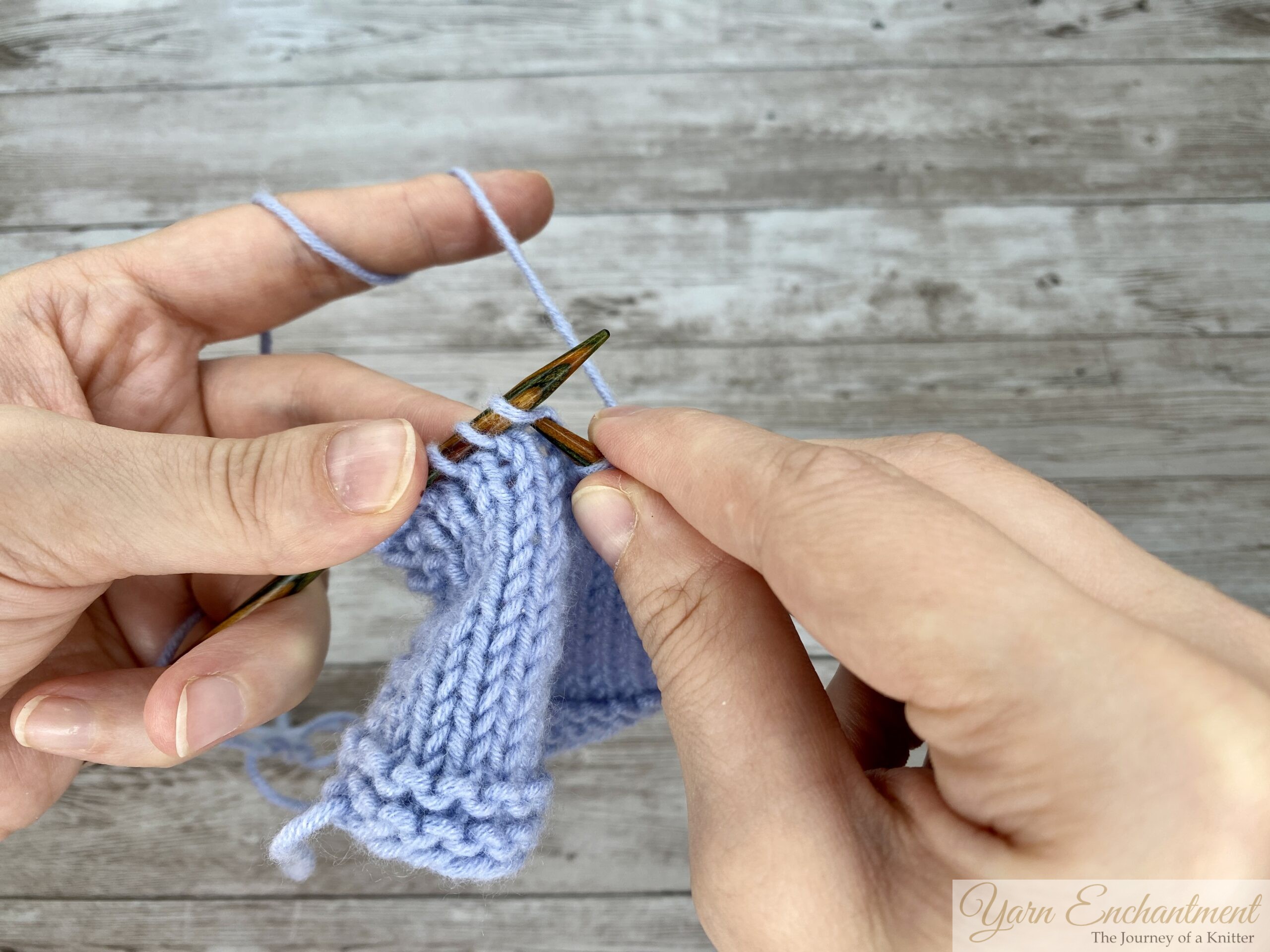
: Step-by-Step Knitting Guide)
Step 3: Pass the slipped stitches over
This is the part that feels a little awkward the first time, but stick with me.
Use the tip of your left needle to lift those two slipped stitches (the first ones you put on your right needle) and pass them right over the knitted stitch.
Slide your left needle into the front of those two slipped stitches
You just did a CDD. You now have one stitch remaining, sitting pretty in the center.
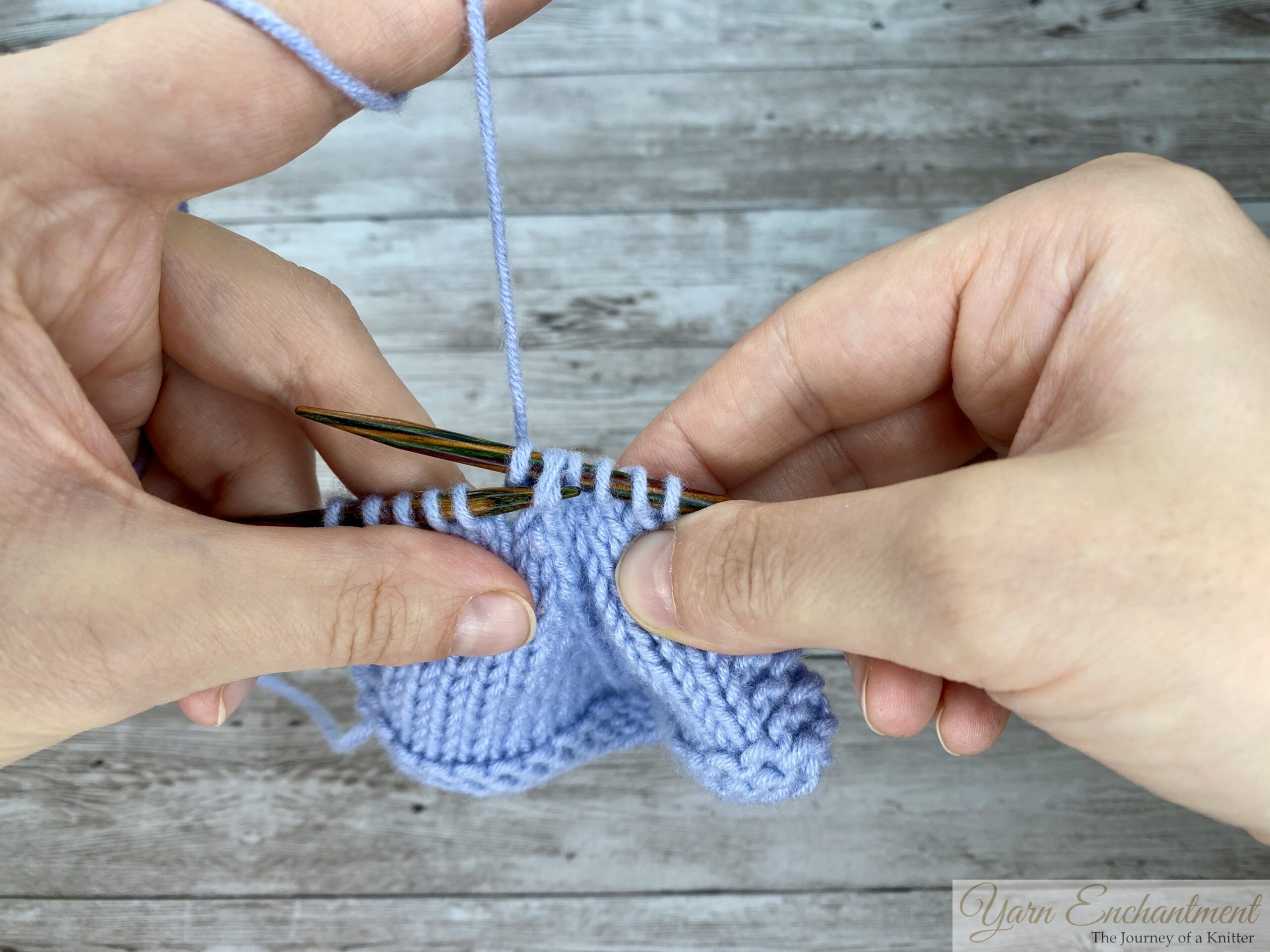
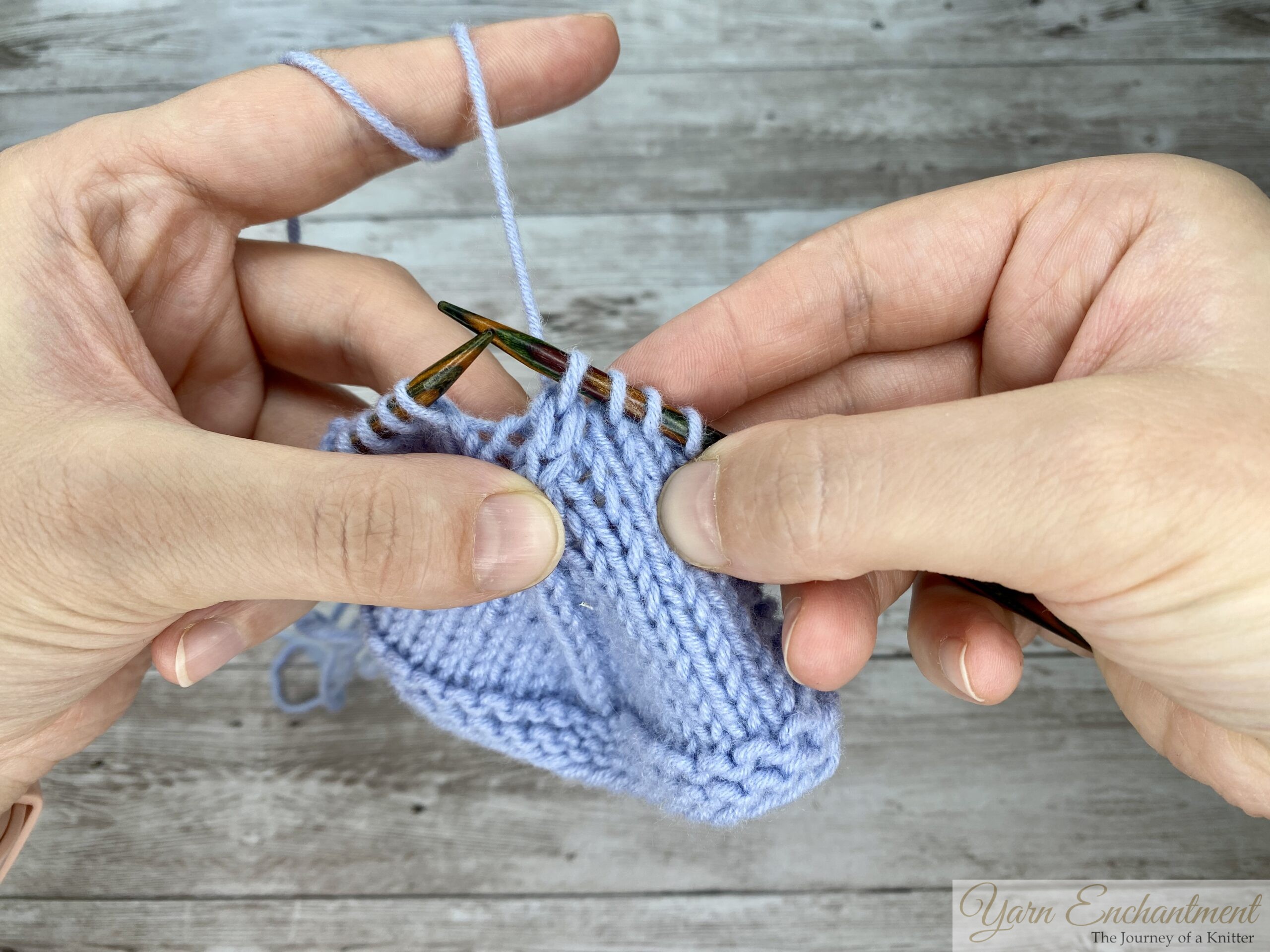
Lift them up and over the knit stitch
Let them drop off the needle
: Step-by-Step Knitting Guide)
: Step-by-Step Knitting Guide)
Pattern abbreviations
If you're following a pattern, you'll usually see this written as:
s2kp or sl2-k1-p2sso
Which just means: slip 2, knit 1, pass 2 slipped stitches over.
When you're reading a chart, this is the symbol you'll usually see for a centered double decrease:

Common mistakes and key tips
Let me save you some frustration and share a few yarn tips for new crafters.
Don't pull too tight. If you work those three center stitches too tightly, passing the two stitches over becomes a real struggle.
Practice on a swatch first. Don't try this for the first time in the middle of a lace shawl. Just knit a little square and practice a few times. Your future self will thank you.
Check your pattern's glossary. Some designers use the abbreviation SK2P for a slightly different decrease. When in doubt, check what they mean before you start knitting.
Centered Double Decrease
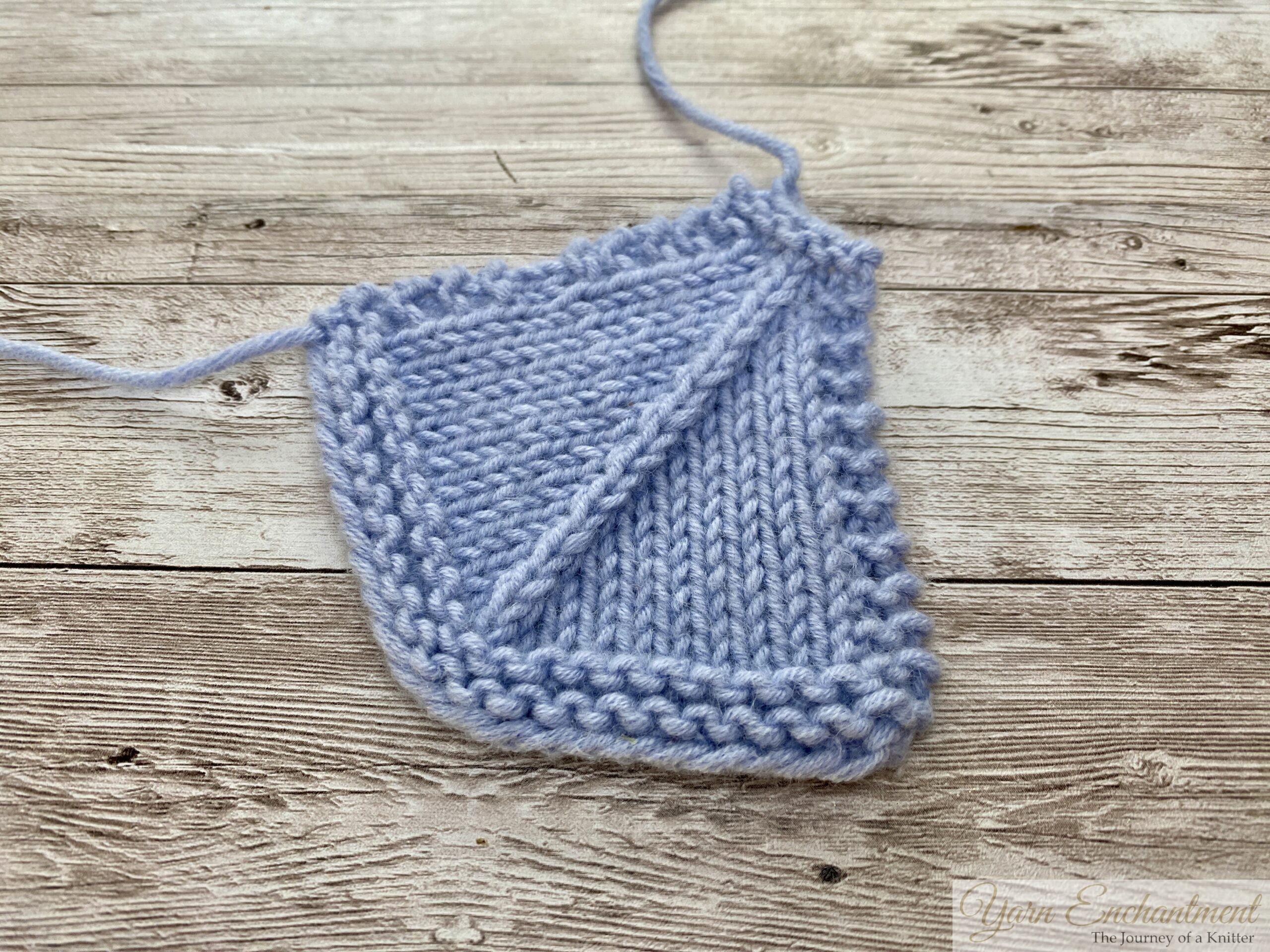
: Step-by-Step Knitting Guide)
Video tutorial
I actually made a short video tutorial for this decrease to go along with this post. Fair warning, my English pronunciation has gotten a little rusty over the months, so be kind. But the knitting is solid, and you'll see exactly how this decrease works in real time.
Frequently Asked Questions
Is CDD the same as s2kp?
A: Yes, s2kp (slip 2, knit 1, pass slipped stitches over) is the common shorthand for the centered double decrease.
Which side does CDD lean?
A: It doesn't lean. The CDD is perfectly centered and symmetrical, which makes it perfect for lace and hat crowns.
Can I use a CDD in ribbing or stockinette?
A: It's best in patterns where a centered vertical decrease is desired. In ribbing, it may disturb the rib pattern, so test it first.
Want more?
I know this post was a little bit of a detour from my original plan. I meant to write about reading lace charts, then realized I had this gap in my content library. But I'm glad I took the time. The centered double decrease deserves its own spotlight.
Once you master this, you'll be ready for all sorts of easy knitting patterns. Lace shawls, cozy winter crafts, and beautiful handmade gift ideas will feel so much more approachable.
So that's it. That's the CDD. Go grab some yarn and give it a try. I promise it's easier than it looks.
Have you used a CDD in your knitting before? Or are you tackling it for the first time? Drop a comment below. I'd love to hear about your projects.
P.S. If you missed the other posts in this little series, check out my yarn over increase post and the yarn over in lace guide. They just might save you from your own rabbit hole
A Little Way to Say Thanks
You Might Also Like


 |
|
Join the Cozy Corner Newsletter
Hello, creative soul. Welcome to the Yarn Enchantment Newsletter, a little space where we celebrate all things cozy, crafty, and full of heart. Think of this as your friendly crafting companion, a soft dose of inspiration delivered straight to your inbox, just for you. Each newsletter brings you: ✨ Notifications about new patterns and tutorials – easy knitting patterns and beginner crochet projects you won’t find anywhere else 🧶 Practical yarn tips for new crafters, plus advice on the best yarn for fall, blankets, and handmade gifts 💌 Small stories and adventures from my own workbench, because crafting is as much about the journey as the finished piece Whether you’re knitting by the fire, looking for your next creative spark, or simply wanting a quiet moment with your hooks and needles, this newsletter is here to cheer you on. Crafting isn’t just about the final project. It’s about the joy, the peace, and the stories we weave along the way. So grab a cup of tea or coffee, settle in, and join me. Together we’ll make a little magic, one stitch and one story at a time. I’m so glad you’re here. Let’s create something beautiful together. Sign up below to receive your first email, and feel free to leave a comment on the blog if there’s a topic you’d love to see covered. Your ideas might just become our next newsletter feature. (Note: If you're using an ad blocker, you may encounter issues subscribing to the newsletter. To subscribe, please consider disabling your ad blocker.)
|