

Sweater Math: Adjust Any Knit Sweater to Your Gauge
February 10, 2026
Alpaca vs Llama: How to Tell Them Apart (Fiber, Size, Personality)
February 25, 2026Alpaca Yarn for Knitting: Why It’s Expensive & Worth It (2026 Guide)
)
Originally published on February 23, 2026
I believe there’s a moment every knitter remembers - for me, it was the first time I held a skein of alpaca yarn.
It’s not just soft. It’s alive with warmth, like holding sunlight stored in fiber. The way it drapes over your fingers, the quiet luster, the almost-silky slip - it feels like luxury you can touch. It doesn’t itch. It’s truly magical.
And then… I cast on.
Stitches slid. Needles felt like ice bars. My swatch grew three inches after blocking. And I stared at it, whispering: “Why is this so hard?”
Here’s the truth: alpaca yarn is magical - but it’s not magic.
It’s a fiber with deep roots in Andean culture, a complex structure, and very real quirks that every knitter needs to understand. When you do, you can create pieces that drape like dreams, keep you warm without weight, and last for years.
In this complete 2026 guide, we’re going deep - not just on what alpaca yarn is, but why it behaves the way it does, how to knit with it successfully, and where it truly comes from (hint: it’s more than just Peru).
If you’ve ever held a skein and wondered, “Why is this so soft… and so expensive?” - you’re not alone.
I’ll answer:
- Why alpaca yarn costs more than wool
- Whether it’s really good for socks (spoiler: only if blended!)
- How to knit with it without frustration
- How to care for it so it lasts
- And how to choose the best kind for your next project
This isn’t just a blog post. It’s the guide I wish I had when I started - full of history, fiber science, and a few hard-earned lessons.
And yes… I may go into slightly more detail than necessary. (But let’s be honest - if you’re here, you probably love that too.)
Just a little reminder - if you’re short on time? No worries - use the table of contents to jump to what you need. You can always come back later. I’ll be here. 💛
So grab your favorite needles, a cup of tea, and let’s dive in. The alpaca adventure begins now. 🧶
  |
Alpaca Yarn for Knitting: Why It’s Expensive & Worth It (2026 Guide) |
Table of Contents
- Where Does Alpaca Yarn Come From? A Story from the Andes
- Why Is Alpaca Yarn So Expensive? 7 Honest Reasons
- Is Alpaca Yarn Good for Socks? Let’s Talk Truth
- How to Knit with Alpaca: Tips for Beginners (No Slip-Ups!)
- Huacaya vs Suri: The Two Faces of Alpaca
- Alpaca vs Merino Wool: Which Should You Choose?
- How to Care for Alpaca Knits: Washing, Drying & Storing
- Understanding Ply & Weight: Which Alpaca Yarn Is Right for You?
- Fiber Grades: From Royal to Baby to Coarse - What It Means
- From Fleece to Skein: How Alpaca Yarn Is Made
- Is It Ethical? Sustainability & Who Benefits
- FAQ: Your Top Alpaca Questions, Answered
- Final Verdict: Is Alpaca Yarn Worth It?
Where Does Alpaca Yarn Come From? (History & Origins)
Close your eyes for a moment, and let me take you back - to a time before patterns, before knitting machines, even before wool as we know it. Back to the high Andes, where the story of alpaca yarn began.
High in the Andes Mountains - so high the air is thin and the sky feels close enough to touch - a quiet little herd of alpacas grazes on tough mountain grass. Their soft fleece ripples in the wind, warmed by the same golden sun that’s watched over them for thousands of years.
These gentle animals aren’t just livestock. They’re part of a story that’s been woven into the fabric of human life for over 6,000 years.
Long before knitting needles or yarn stores, the first alpacas were carefully bred by ancient Andean people from their wild cousin, the vicuña - one of the softest animals on Earth. They didn’t do it for money or fashion. They did it to survive - and to honor the animals they lived beside.
By the time the Inca Empire rose to power (between the 13th and 16th centuries), alpaca wool had become something sacred. They called it the “fiber of the gods” - and they really meant it.
Only royalty and high priests were allowed to wear it. Commoners? Not a chance.
Inca weavers - mostly women, working on backstrap looms - created textiles so fine they were said to rival silk. Each piece was more than clothing. It was a language. Patterns told stories of the stars, the mountains, and the ancestors. A single mantle could carry a family’s history, stitched in color and thread.
And textiles were so valuable, they were used like money. People paid taxes in cloth. Armies protected warehouses full of woven treasures. In fact, legend says Inca warriors would rather burn their textile stores than let them fall into enemy hands.
That’s how precious alpaca wool was.
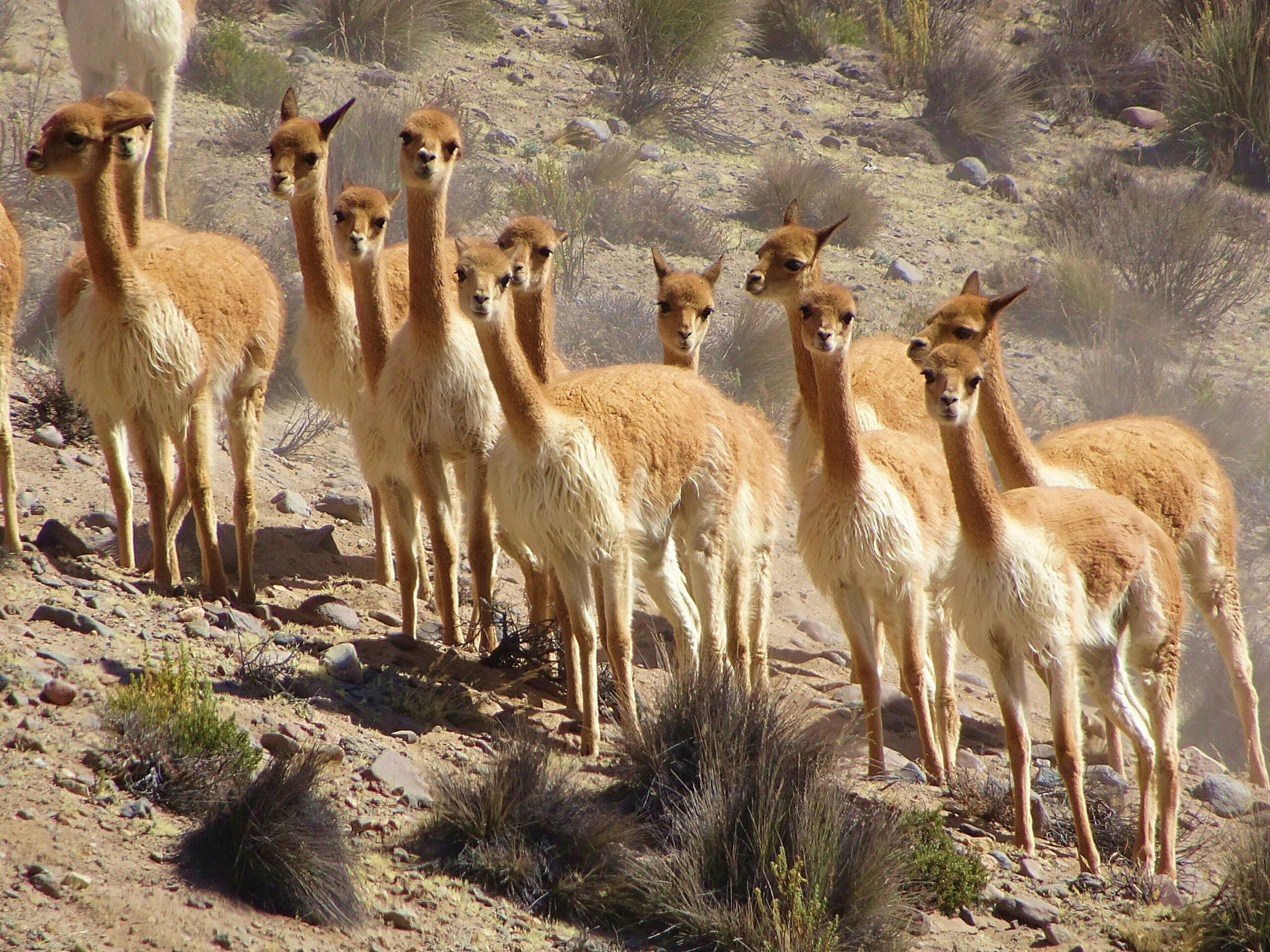  |
A groub of vicuñas near Arequipa, Peru |
Then Came the Spanish - And Almost, the End
When the Spanish arrived in the 1500s, they didn’t understand any of this.
They saw alpaca wool as “primitive” and brought in sheep from Europe, which were easier to shear and mass-produce. Alpaca was pushed aside. The great weaving traditions were suppressed. And for a time, it looked like alpaca might disappear forever.
But in remote villages, high in the mountains where the roads were too steep and the cold too sharp, families kept alpacas alive. In silence, they passed down the old ways - how to breed for softness, how to spin, how to weave.
They kept the thread alive, in my eyes they are true heros.
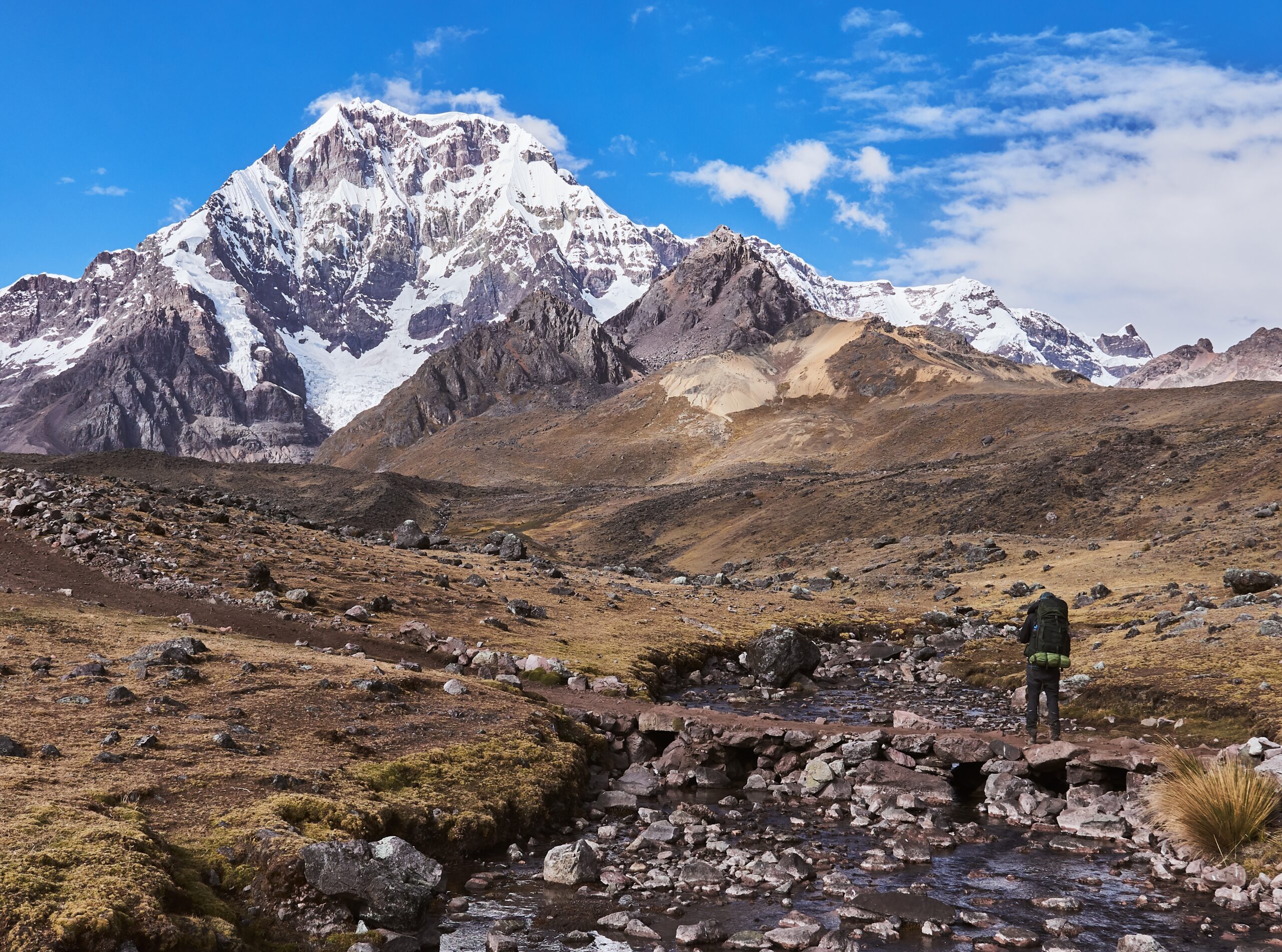  |
The beautiful Andes - home of the alpacas, and the birthplace of the wool we love to knit with. |
And Then - A Miracle in England
Fast forward to the 1800s.
Alpaca made its way to Europe, but at first, no one knew what to do with it. Early attempts to weave it failed. The fabric sagged. It didn’t hold shape. People called it “unworkable.”
Until one man saw its potential.
Sir Titus Salt, a young textile maker in Bradford, England, got his hands on some alpaca fiber in 1836. Instead of giving up, he experimented. He tried weaving it with a cotton warp, letting the soft, lustrous alpaca stand out as the highlight.
And it worked - beautifully.
His alpaca coats became the talk of Victorian England. He even presented one to Prince Albert, husband of Queen Victoria. Suddenly, alpaca was no longer a forgotten fiber from the Andes.
It was luxury.
By the 1870s, demand was so high, Peru couldn’t keep up. Alpaca had entered the modern world - not because of conquest or commerce, but because someone finally listened to what the fiber had to say.
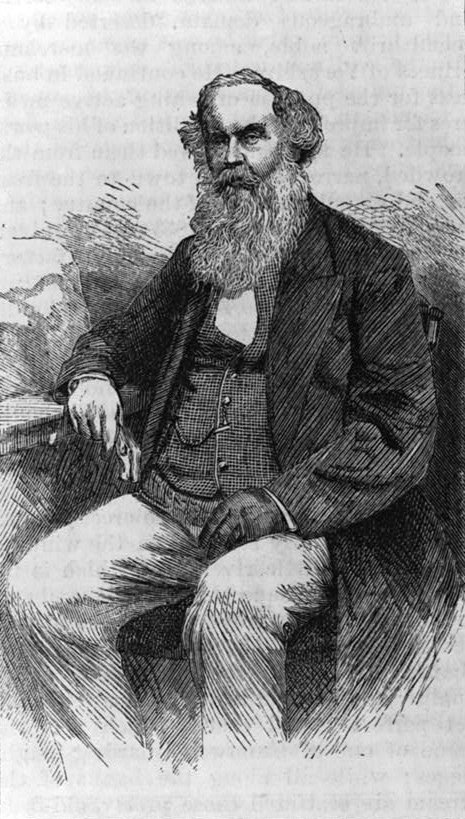  |
When alpaca wool was called “unworkable” and nearly lost to history, one man saw its potential. Sir Titus Salt didn’t give up — he experimented, he wove, he proved its worth. And because of him, we’re still knitting with it today. (Illustration from Harper's Monthly, vol. 44, 1872.) |
Why Is Alpaca Yarn So Expensive? (7 Real Reasons)
Let’s be honest - we’ve all stood in a store, adoring the most beautiful yarn we’ve ever felt… only to glance at the price and whisper, “Holy alpaca, why are you so expensive?” 😄
A single skein of 100% alpaca can cost $25-$40 - sometimes even more. That’s double the price of merino.
But if you’ve ever wrapped yourself in a hand-knitted alpaca shawl? You know - it feels worth every penny.
So… why is alpaca yarn so expensive? Let’s break it down.
1. Limited Supply & Annual Shearing
Alpacas are only shorn once a year, usually in spring. Each animal yields just 5–10 pounds of fleece - far less than sheep. And 87% of the world’s alpaca fiber comes from Peru, mostly from small farms in the Arequipa region. Scaling production? Nearly impossible.
2. Labor-Intensive Processing
Alpaca fiber must be hand-sorted to remove coarse guard hairs (a process called dehairing). In rural Peru, this is done by hand - a slow, skilled task. Then it’s washed, carded, combed, and spun - each step adding cost.
3. No Lanolin = Hypoallergenic, But Harder to Spin
Unlike sheep’s wool, alpaca has no lanolin, making it perfect for sensitive skin. But without natural oils, fibers are static-prone and harder to spin. They need more twist, which affects drape and increases production time.
What Is Lanolin?
You might be thinking right now, “Sarah… why are you being so cryptic? What is lanolin?”
Oh, I get it. It sounds like a fancy word - but it’s actually super simple.
Lanolin is a sheep’s own built-in raincoat.
It’s a natural wax that sheep’s skin produces — kind of like how your skin makes oil. It keeps their wool water-resistant, so they stay dry even when it’s pouring. Pretty clever, right? Nature’s own waterproofing.
But for us knitters? Lanolin is… well, a bit of a love-hate relationship.
The Good News (Why Wool Lovers Adore It):
- It makes wool easier to spin - like a little natural glue holding the fibers together.
- It gives wool that cozy, slightly greasy feel before washing - which some folks (especially fans of traditional Icelandic or British wools) actually love.
(Some yarns are even sold “oiled” - with lanolin still in - to help them last longer.)
The Not-So-Good News (Why Some of Us Say “No Thanks”):
- It can make wool itchy - especially if you have sensitive skin.
- Some people are allergic to it - redness, irritation, that “why is my neck burning?” feeling.
Here’s the key difference:
🐑 Sheep’s wool contains lanolin - which is why some wool feels greasy before washing.
🦙 Alpaca yarn has no lanolin at all, making it naturally hypoallergenic and much gentler on sensitive skin.
That’s one reason so many knitters love alpaca - no itch, no irritation, just softness.
It’s Also Kind to the Planet
If you’re washing raw wool, you have to “scour” it - a process that removes the lanolin (and sometimes uses hot water or detergents).
But with alpaca? You skip that step entirely. Less water. Less energy. Less fuss. Another quiet way alpaca yarn chooses kindness - for you and the earth.
4. Warmer, Lighter, and Stronger Than Wool
Alpaca fibers have a hollow core, trapping heat like a thermos. That’s why it’s 30% warmer than sheep’s wool, yet lighter than cashmere. It’s also stronger than merino, so it resists pilling and lasts longer.
I recently knitted a sweater using an alpaca blend, and it’s incredible - so light, yet incredibly warm. My son wears it almost every day, and it still looks brand new. When he says, “This is my favorite sweater,” I know the extra care was worth it.
5. Ethical & Sustainable Farming Costs More
Alpacas are gentle grazers with soft feet that don’t damage pastures. They need less water and food than sheep, making them eco-friendly. But fair wages, humane shearing, and sustainable land use? They come at a cost.
6. The Finest Grades Are Rarer Than Cashmere
Alpaca fiber is graded by micron count (fiber diameter). The finest - Royal Alpaca (under 19 microns) - is rarer than cashmere (14–19 microns). And Baby Alpaca (under 23 microns) comes from young adults, not babies - a common misconception.
7. Cultural & Artisan Value
Many alpaca products are hand-woven by Quechua artisans using centuries-old techniques. Supporting these communities preserves culture - but adds to the price.
So yes - alpaca yarn is expensive. But you’re not just buying fiber. You’re buying history, sustainability, and craftsmanship.
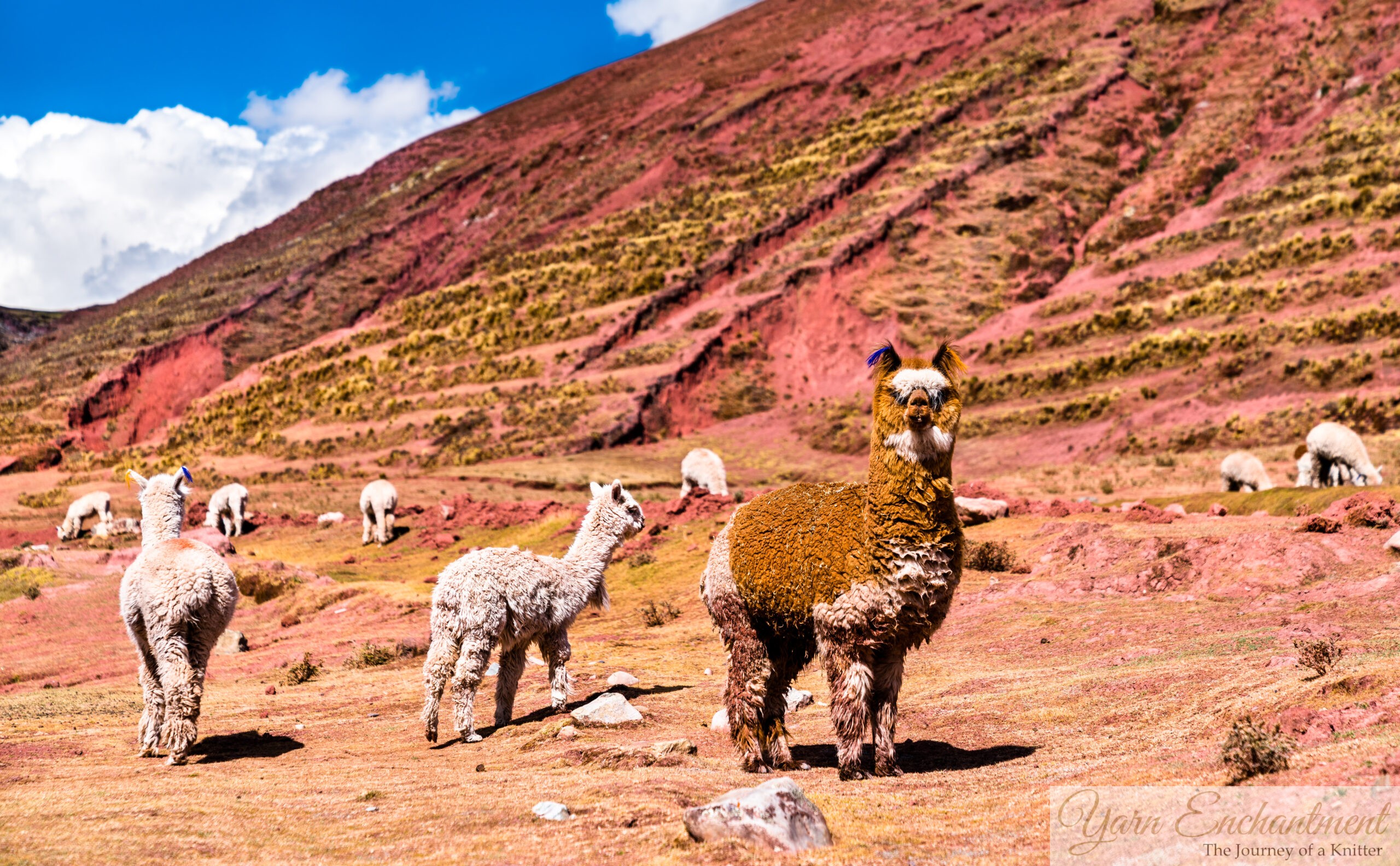  |
High in the Andes - where alpaca wool begins. Red earth. Blue sky. One curious gaze. This is where luxury is grown - slowly, gently, and with care. That’s why it’s expensive - and why knitters and crocheters keep coming back. |
Is Alpaca Yarn Good for Socks? (Honest Answer)
This is one of the top questions knitters ask - and I get it. Alpaca feels so soft and warm. Can’t it make great socks?
The short answer: only if it’s blended.
Here’s why pure alpaca falls short:
Lacks Elasticity
Alpaca fibers are smooth and dense, with little crimp. They don’t spring back like wool. After a few hours, your socks will stretch out and lose their shape.
Not Abrasion-Resistant
Your feet rub, press, and sweat all day. Alpaca isn’t built for that. It will pill, thin, and wear through faster than wool or nylon.
Absorbs Moisture (But Dries Slowly)
Alpaca can absorb 30% of its weight in moisture without feeling wet - great for warmth. But unlike merino, it doesn’t wick or dry quickly. Damp socks = unhappy feet.
The Solution: Blend It!
Look for sock yarns with:
- 25–30% nylon for strength
- 10–20% merino for bounce and moisture management
Try blends like:
- 70% alpaca / 30% nylon – for durability
- 60% alpaca / 30% merino / 10% nylon – for balance
And avoid 100% alpaca for socks - unless they’re bed socks.
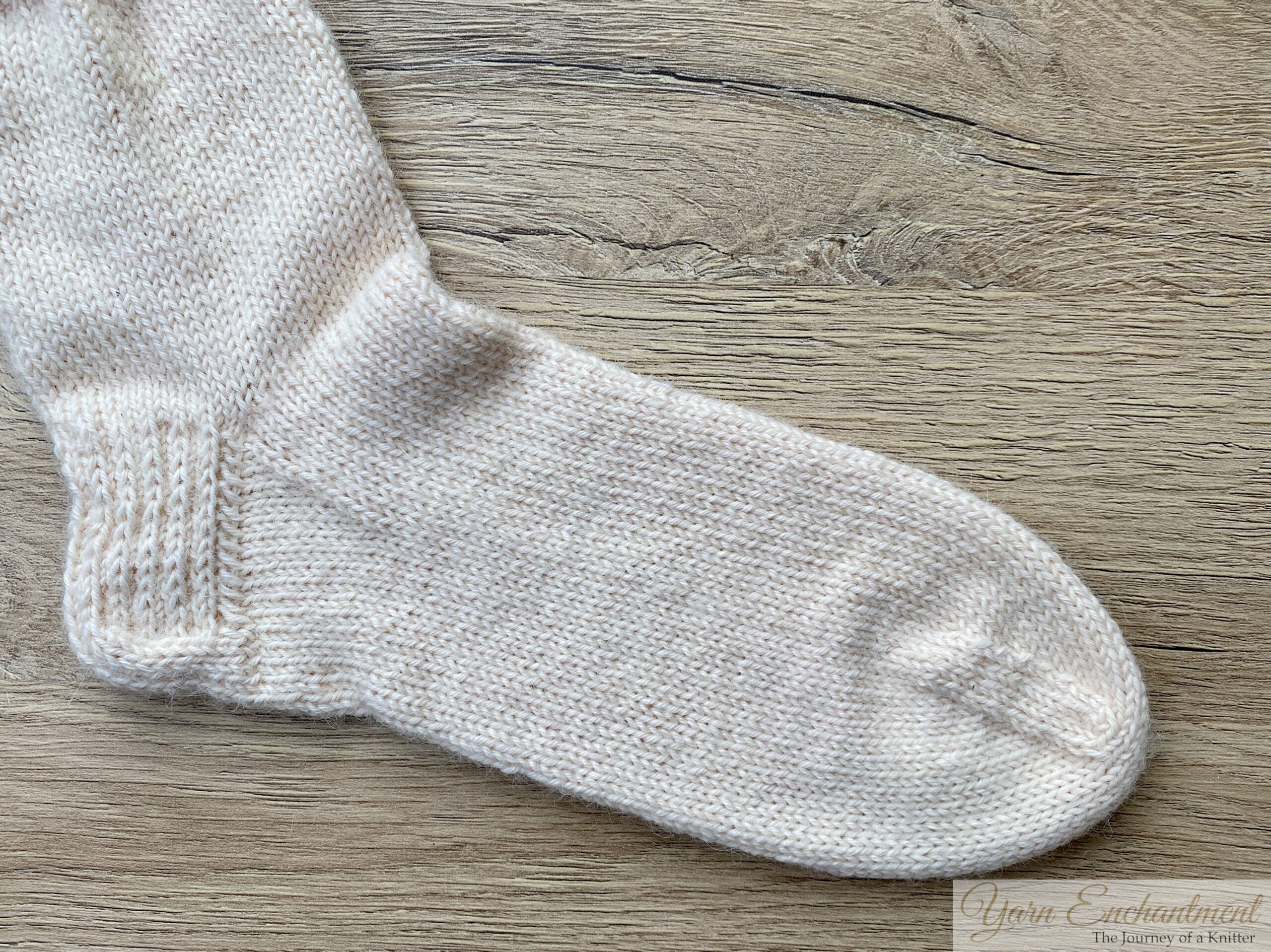
I knit a pair of socks using an alpaca blend, and they’re incredibly warm and cozy to wear. I love slipping them on at home while reading, watching TV, or warming my feet in bed. But I don’t wear them with shoes. Why? Because they feel slippery inside footwear - like my foot might slide out. It’s not a safety issue, just a personal comfort thing. And that’s okay. This is my experience, not a rule. Yours might be totally different! Maybe you’ll love how they feel with your favorite slippers or house shoes. So if you’re curious - try a small project. Make a pair, wear them your way, and see how they feel on your feet. After all, knitting is personal. And the best yarn is the one you love to wear.Note: My Experience With Alpaca Socks
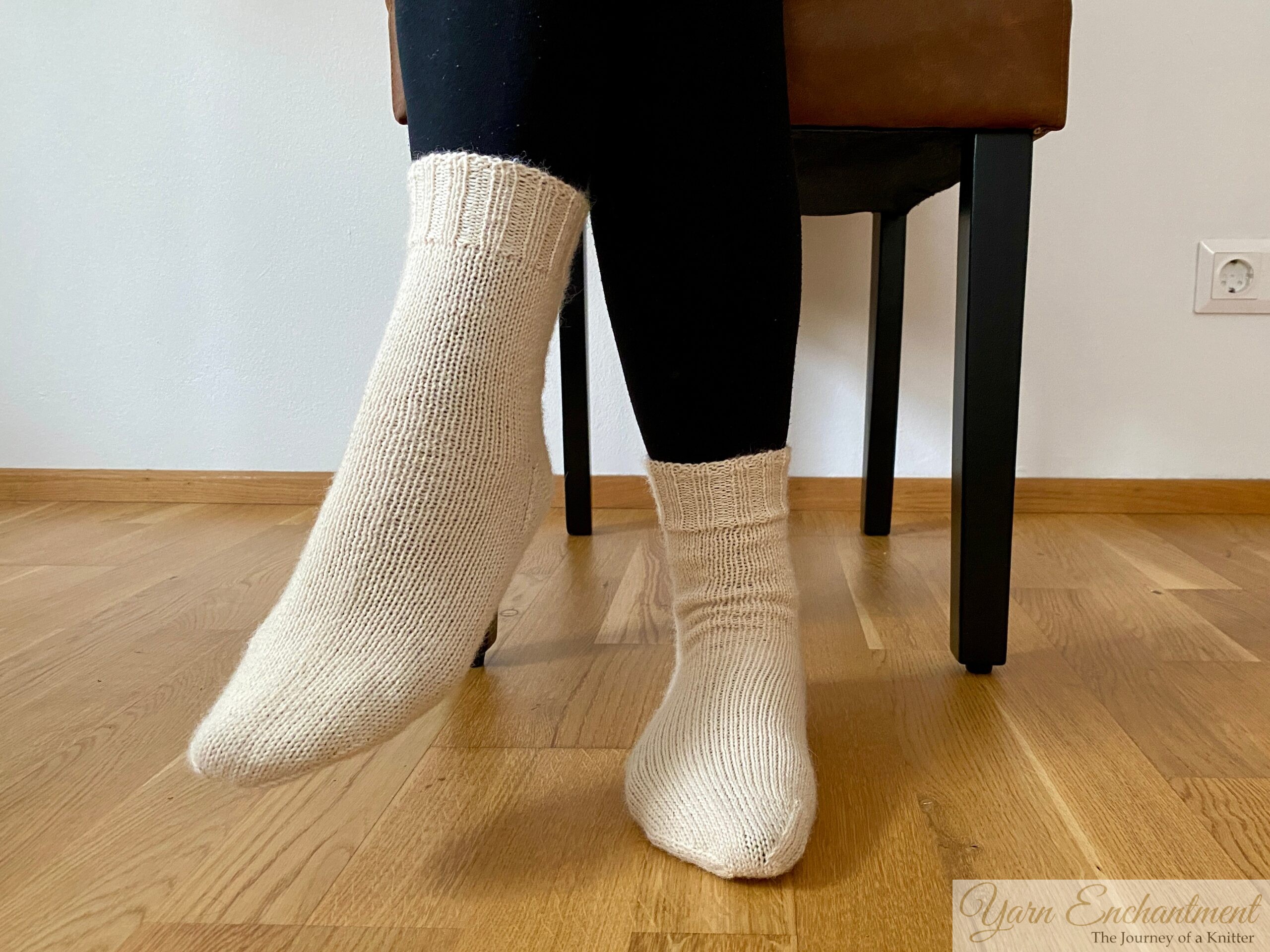  |
Last year in our sock knitting course, I used a 70/30 alpaca blend - incredibly warm, impossibly soft… and slightly too slippery for shoes. 😊 So now, they live on the couch (or in bed) - where my feet get the alpaca hugs they deserve. Want to knit your own? My free Sock Knitting Course is still open for self-paced learning! |
How to Knit with Alpaca Yarn: Tips for Beginners
Yes, alpaca yarn can be slippery, especially Suri or single-ply. But with the right tricks, you’ll knit with confidence.
Use Bamboo or Wood Needles
Metal needles are too slick. Bamboo or wooden needles add just enough grip to keep stitches from sliding off.
Go a Size Smaller
Alpaca stretches and does not bounce back. Try knitting with needles one size smaller than the label suggests to keep your fabric snug.
Swatch - And Wash It
Always knit a swatch and block it. Alpaca relaxes after washing. Your gauge might change - better to know now.
Avoid Long Floats in Colorwork
Alpaca lacks elasticity, so stranded floats can sag. Keep them under 3 inches, or use a wool blend.
Block with Care
Lay flat to dry - never hang. Use pins to shape, but don’t pull. Alpaca drapes beautifully when blocked gently.
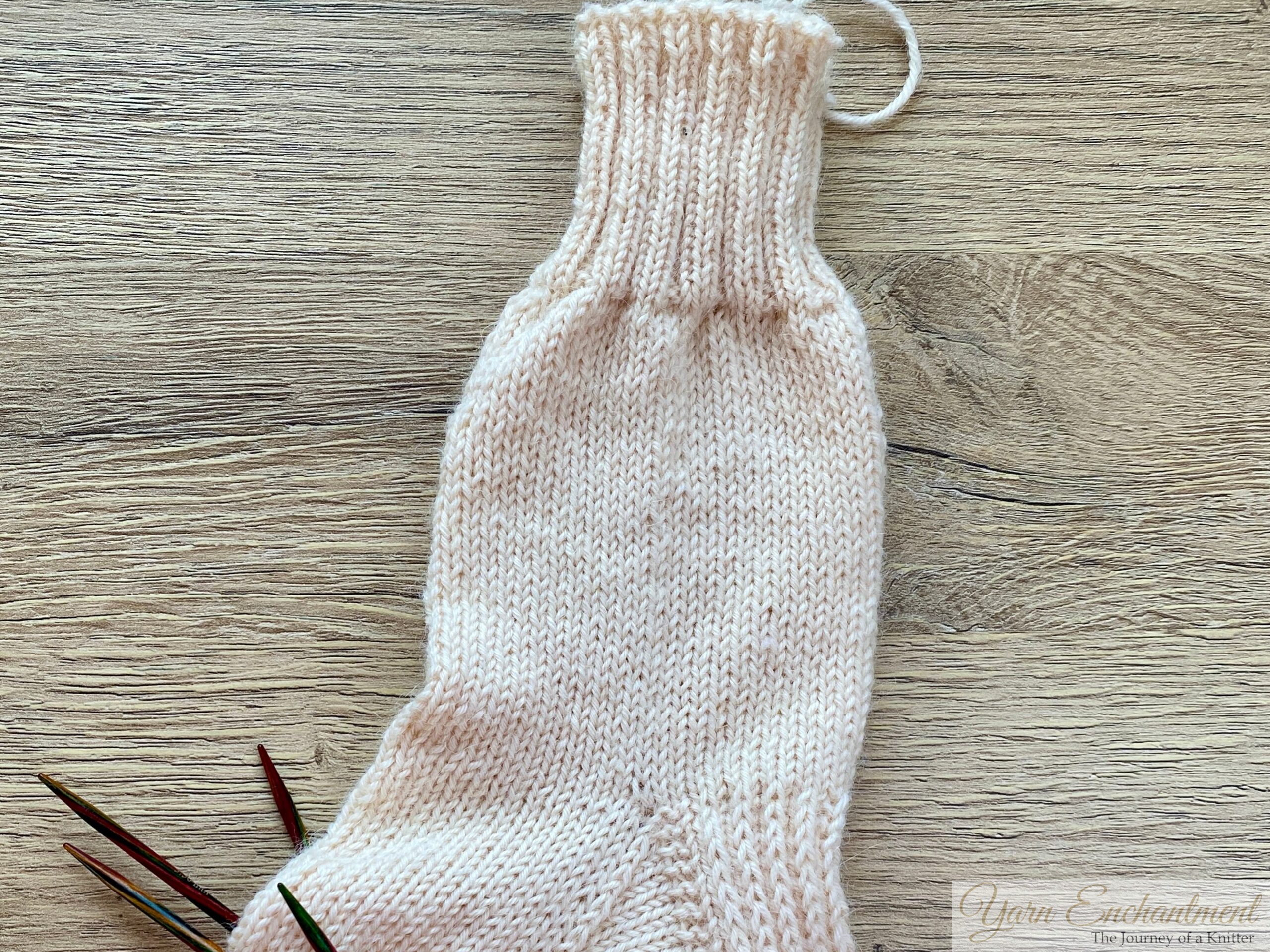  |   |
Before Blocking | After Blocking: You can see how blocking evens out stitch tension in alpaca yarn. |
Huacaya & Suri: Two Alpacas, Two Kinds of Magic
You know how some people are cozy sweaters and others are silk scarves?
That’s exactly how I think of Huacaya and Suri alpacas. They’re both alpaca, yes - born under the same high mountain sky, raised with care and quiet dignity - but oh, do they wear their wool differently.
Let me introduce you.
Huacaya Alpaca
If you’ve ever seen a photo of an alpaca and laughed because it looks like a giant dust bunny with a face… that’s probably a Huacaya (say it like “wah-KI-ah” - it sounds like a lullaby, doesn’t it?).
They’re the ones with the fluffy, springy fleece that sticks out all around them, like they’ve been hugged by a dandelion. Their wool has crimp - little natural waves - that give it bounce, warmth, and a soft halo that doesn’t flatten out. It’s the kind of fiber that makes you want to knit a hat just to bury your cheeks in it.
When I knit with Huacaya, I feel like I’m making something that hugs back.
It’s perfect for sweaters that hold their shape, mittens that stay snug, and baby blankets that are soft without being slippery. The stitches pop, the warmth stays, and even after years of wear, it still looks like you just bound it off yesterday.
Note: most alpaca yarn you’ll find - especially in blends or beginner-friendly weights - is from Huacaya. They make up over 90% of the herd, and honestly? They’re the workhorses of the alpaca world. Reliable, soft, and always ready to keep someone warm.
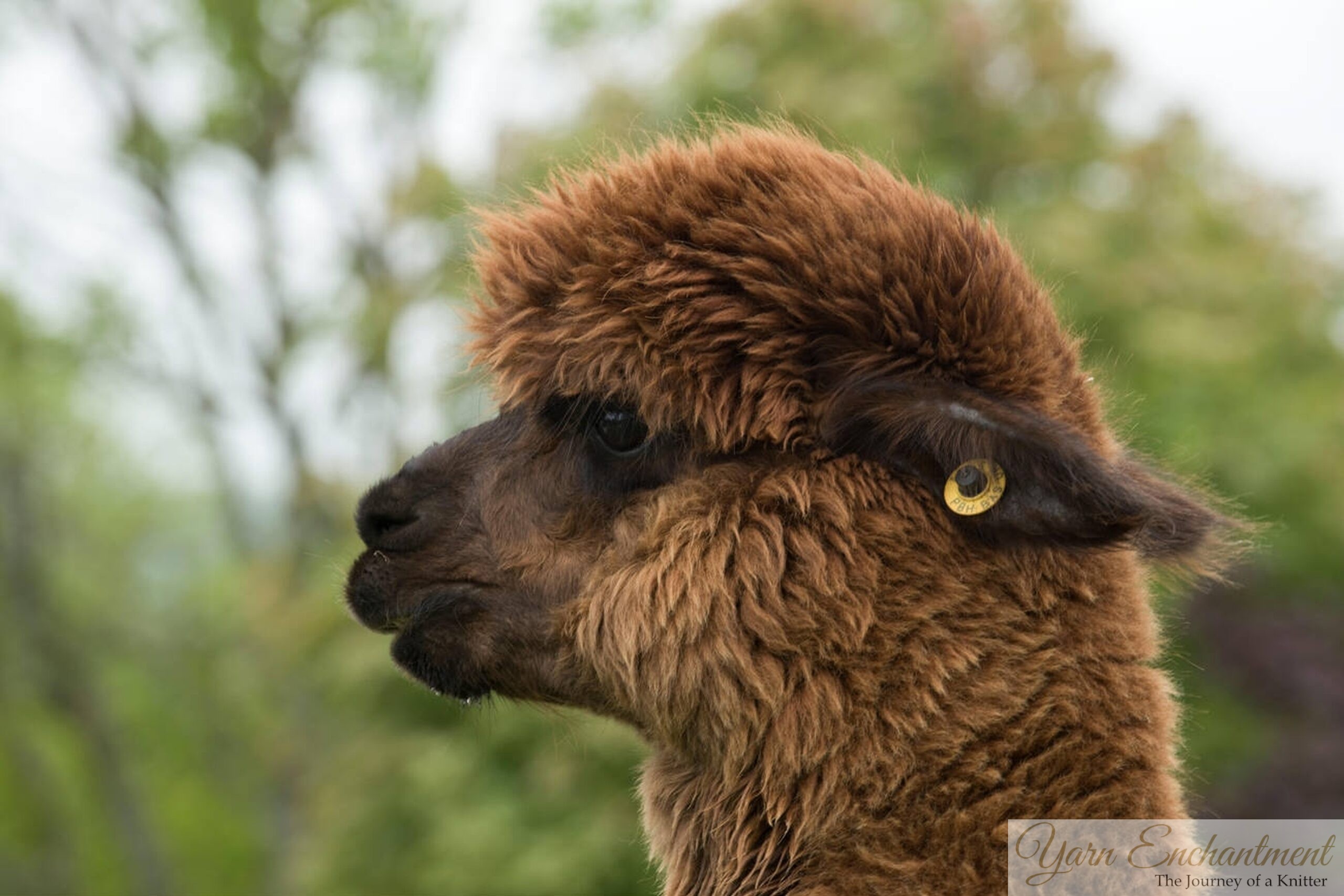  |
Huacaya alpaca |
And Then There’s the Suri Alpaca
Now picture this: an alpaca with long, silky locks flowing down its sides like water. Not fluffy. Not bouncy. But smooth, straight, and shimmering in the light. That’s a Suri (say “SUR-ee,” like a secret).
They’re really rare - only about 1 in 10 alpacas are Suri - and when you see one, you stop. Not because they’re loud, but because they’re elegant. Like a ballerina in a field of teddy bears.
Suri fiber doesn’t have crimp. Instead, it has length, luster, and a drape so fluid, it feels like knitting with liquid silk.
But - and this is a gentle but - Suri isn’t for every project. It stretches more. It doesn’t bounce back. If you knit a tight ribbed hat with it, you might find it losing shape after a few wears. But for a shawl, a drapey cardigan, a cowl that flows - it’s unmatched.
And knitting with it? It glides over your needles. Too well sometimes. I’ve dropped stitches on Suri just because I wasn’t paying attention - it’s that slippery. But when you slow down, when you let it move at its own pace, it becomes something extraordinary.
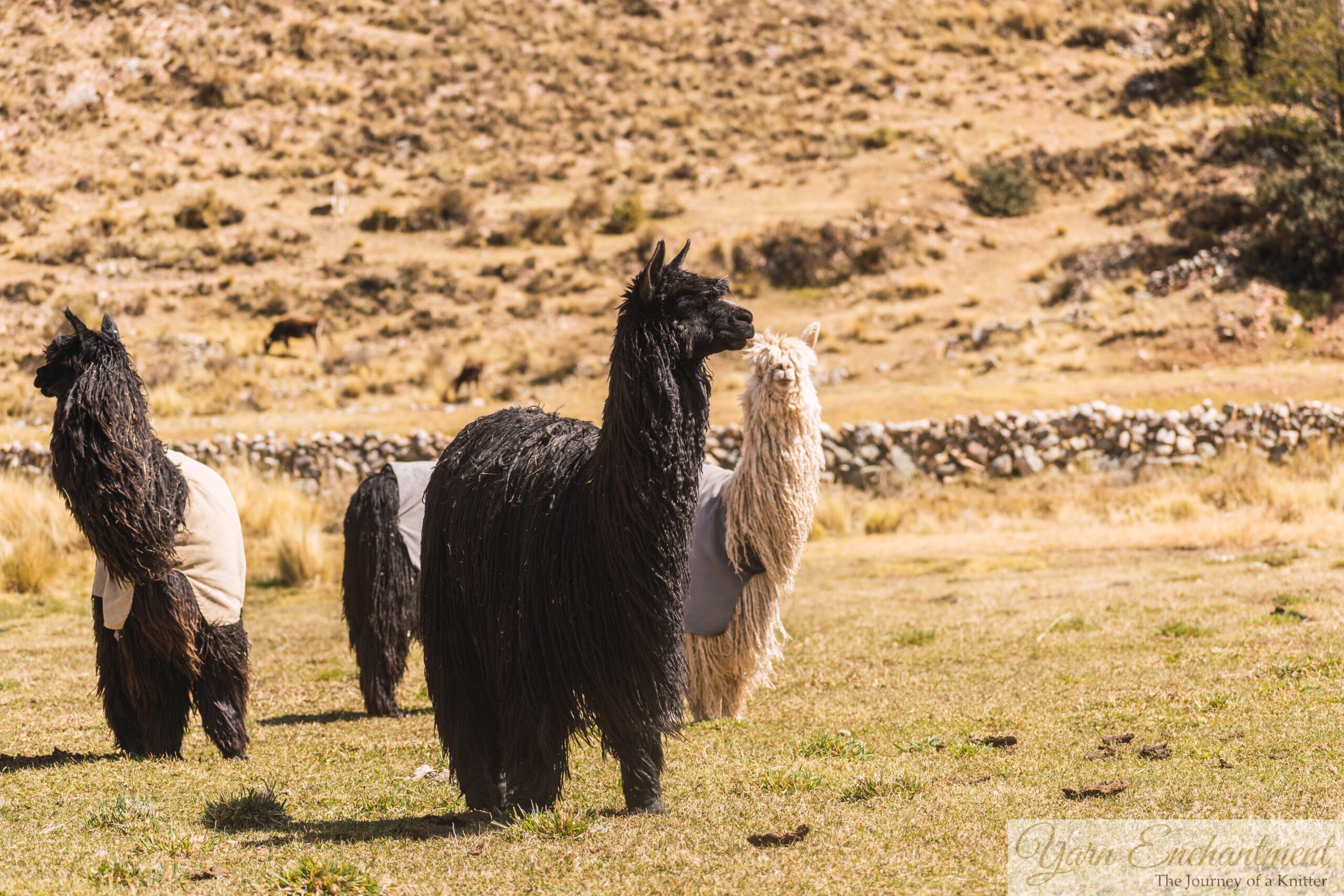  |
Suri alpaca |
So Which One Should You Choose?
Well, that depends on what you’re making - and how you want it to feel.
If you want warmth, structure, and a yarn that behaves, go for Huacaya. It’s the friend who shows up with soup when you’re sick - steady, kind, and always there.
If you want drape, shine, and a little drama, reach for Suri. It’s the one who wears earrings to the grocery store - not because she has to, but because she loves beauty in the everyday.
Or better yet - try a blend. Some of my favorite yarns mix both, or add a little silk or merino to balance the drape with durability.
Because here’s the thing: whether fluffy or sleek, both Huacaya and Suri carry the same quiet legacy. Thousands of years of Andean skies, of careful shearing, of hands that spin with respect.
Alpaca vs Merino Wool: Which Is Better for Knitting?
|
Feature |
Alpaca |
Merino |
|---|---|---|
|
Softness |
Softer (no scales) |
Soft, but can itch |
|
Warmth |
30% warmer than wool |
Warm, but less insulating |
|
Elasticity |
Low - stretches |
High - springs back |
|
Moisture Wicking |
Absorbs well, dries slowly |
Excellent wicking |
|
Durability |
Strong, but pills if abraded |
Resilient, great for socks |
|
Hypoallergenic |
Yes - no lanolin |
No - contains lanolin |
Choose alpaca for softness, warmth, and drape.
Choose merino for elasticity, wicking, and durability.
Or better yet - knit with a blend!
Alpaca Yarn Care: Washing, Blocking & Storing
How to wash alpaca yarn? Alpaca is low-maintenance - but it needs gentle care.
Washing
- Hand wash in cool water (<30°C) with wool-safe detergent
- Never wring - press out water gently
- Always dry flat - hanging stretches it
Storing
- Fold, don’t hang - prevents stretching
- Use cedar balls or lavender for moths
- Store in cotton bags, not plastic
Blocking
- Pin to shape on a towel
- Let it dry completely
- Never stretch - alpaca relaxes naturally
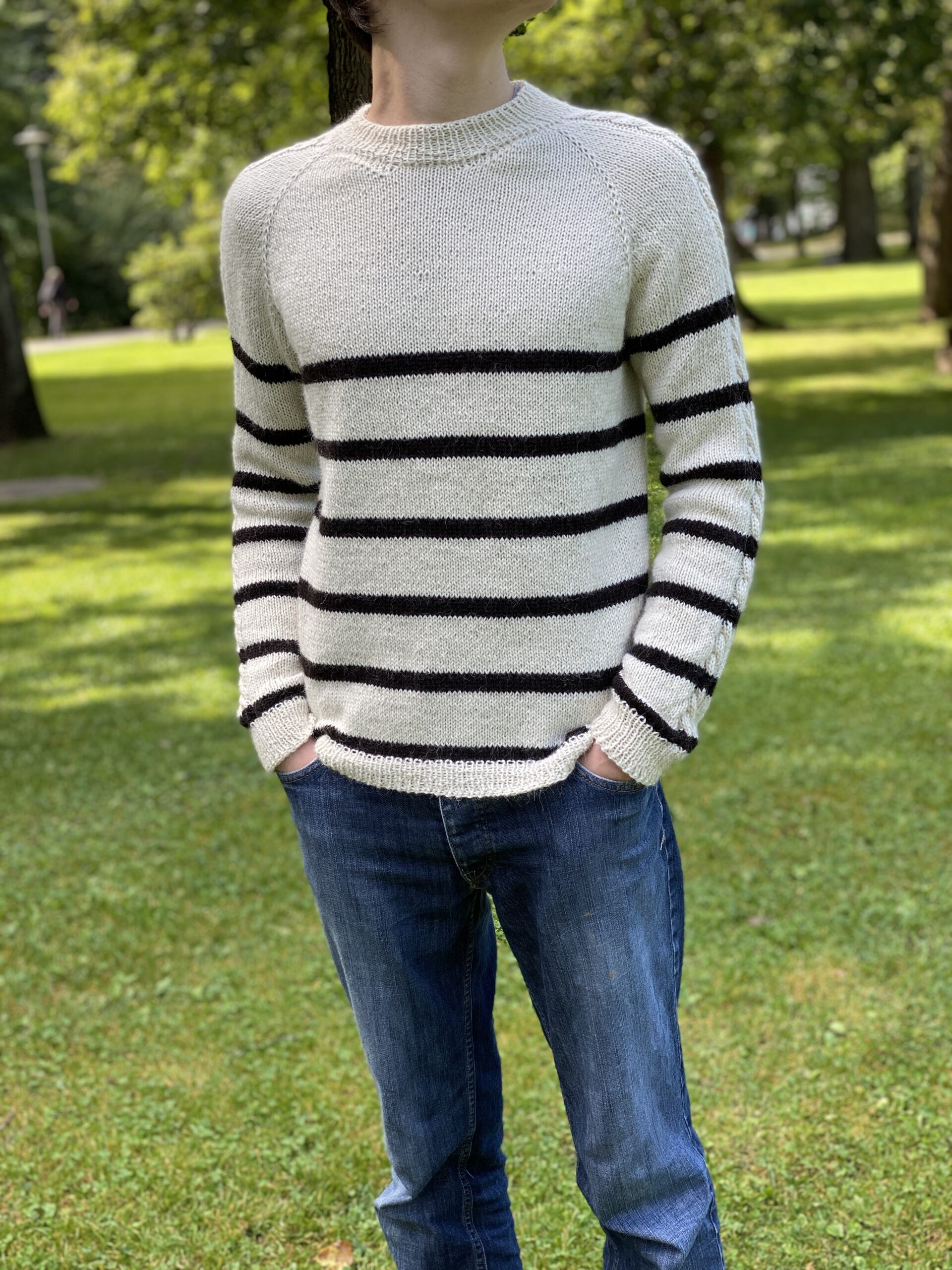  |
This sweater was made from an alpaca blend - light, warm, and surprisingly durable. My son wears it all the time… and it still looks brand new. |
How Many Plies Is Alpaca Yarn? Understanding Weight & Structure
Alpaca yarn comes in all ply counts:
|
Weight |
Ply |
Best For |
|
Lace |
1–2 ply |
Shawls, wraps |
|
Fingering |
2–3 ply |
Socks (blends), shawls |
|
Sport |
3 ply |
Baby clothes, light sweaters |
|
DK |
3–4 ply |
Hats, mittens |
|
Worsted |
4 ply |
Sweaters, blankets |
|
Bulky |
4–6 ply |
Throws, winter accessories |
- More plies = more durability
- Fewer plies = softer drape
If you’re a beginner wondering which alpaca yarn to start with, I recommend a 4-ply worsted weight - it’s easier to handle and less slippery.
What Does “Ply” Mean?
Ply is the number of strands twisted together to create the yarn. Higher ply usually means thicker yarn, but that’s not always the whole story - well these days, it can just be a marketing word. Always check the yarn’s actual weight or “gauge” (how many stitches and rows fit in an cm or inch) on the label to be certain.
-
Ply refers to how many individual strands (singles) are twisted together - e.g., 2-ply, 4-ply, 6-ply, 8-ply.
-
Plying increases a yarn’s strength and durability; more plies usually mean a rounder, stronger yarn that resists pilling and holds up to wear, ideal for socks and high-use items.
-
Historically, “ply” suggested yarn weight (thickness), but today this isn’t always the case. For example, a 4-ply yarn can actually be finer than a thick, single-ply yarn, especially with modern hand-dyed and specialty yarns.
-
The number of plies affects more than just thickness. It also impacts texture, stitch definition, drape, and the final look of your knitted fabric.
-
In summary: More plies = structure and durability. Fewer plies = loft and drape. Always check actual weight/gauge, not just ply, to match your pattern’s needs.
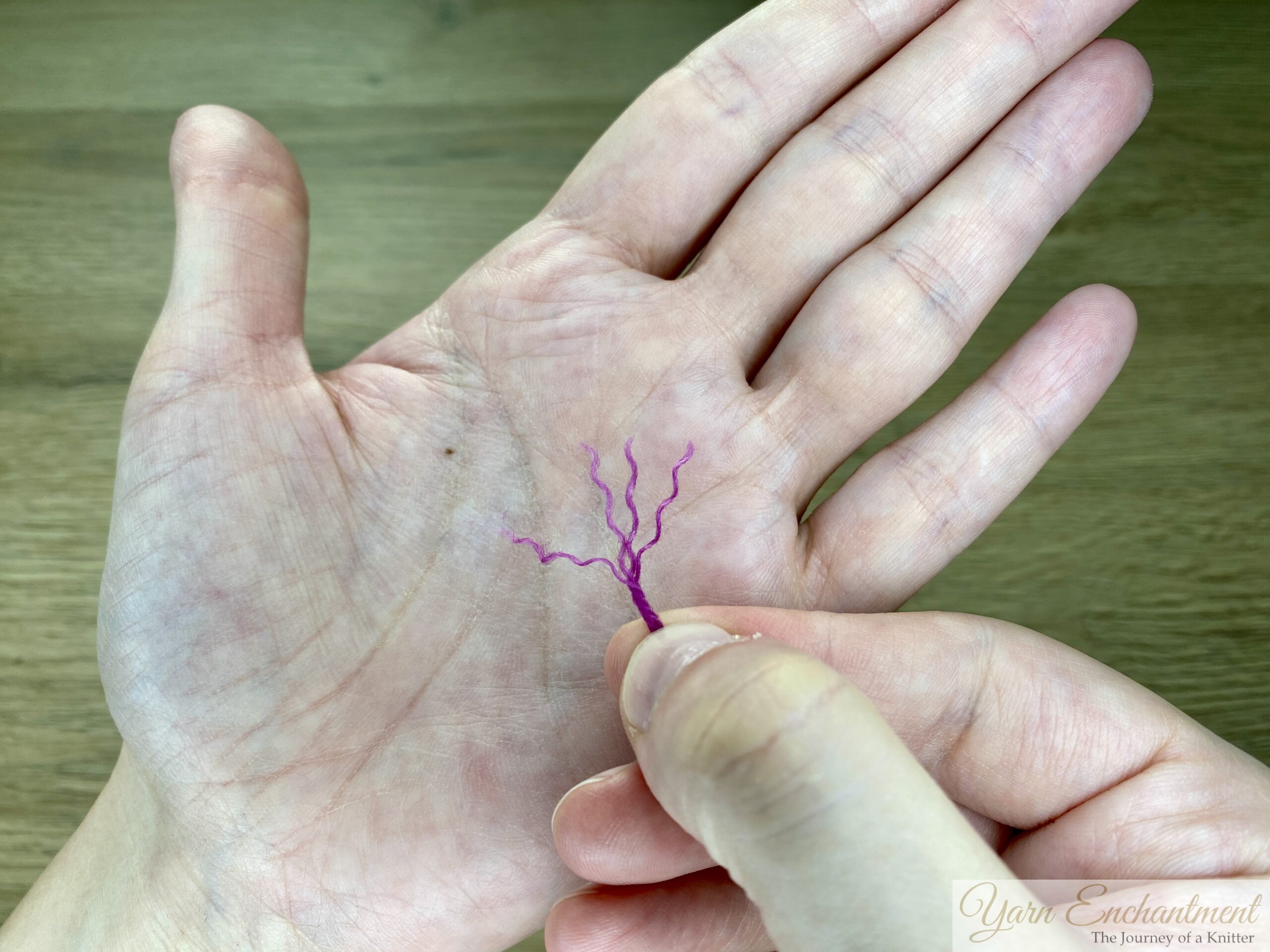  | 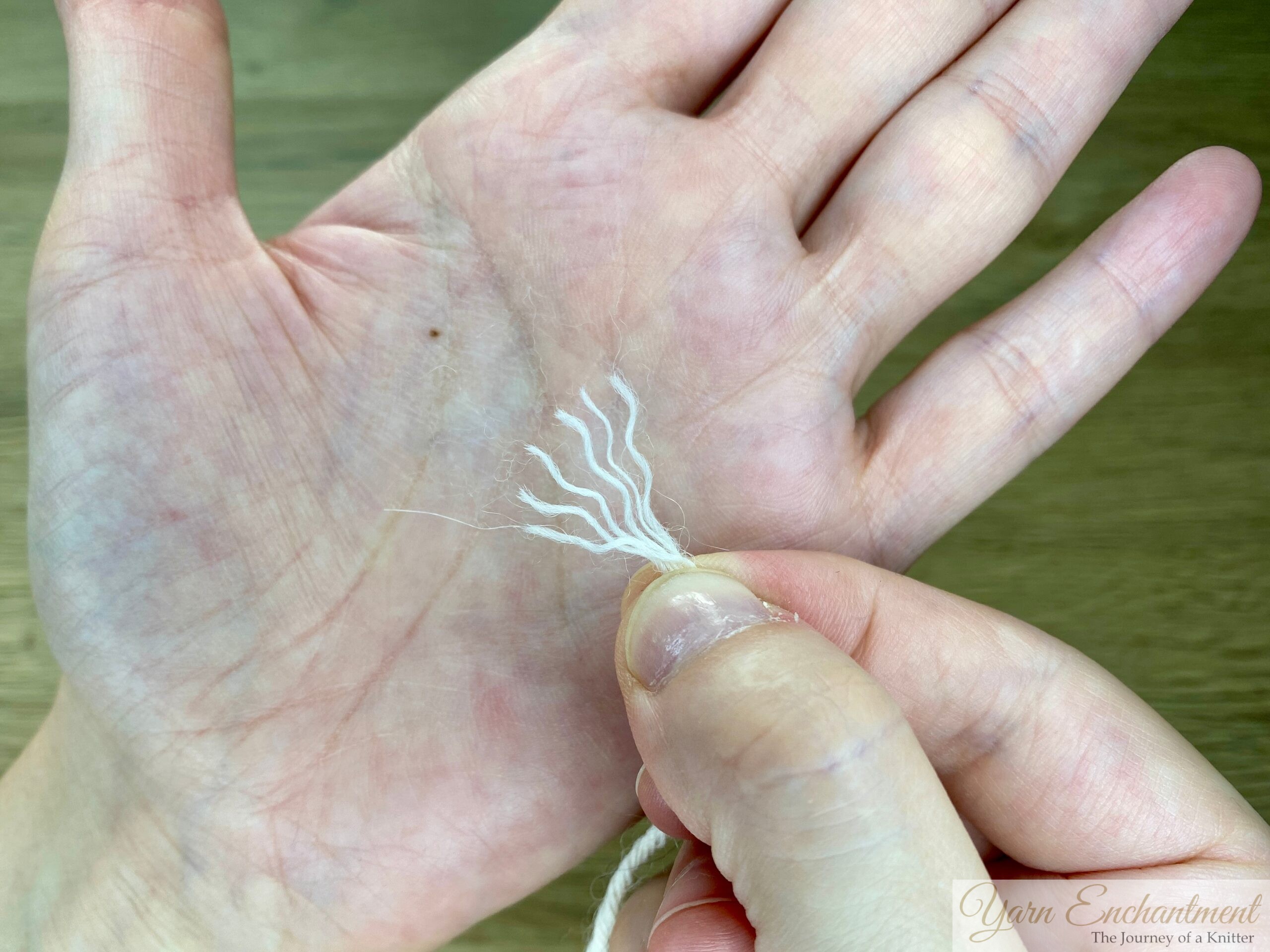  |
In this picture, you can see untwisted 4-ply sock yarn - this yarn is made by twisting together four single strands to create one strong, durable thread. | This picture shows untwisted 6-ply sock yarn, made from six individual strands spun together for extra strength and thickness. |
Understanding Alpaca Fiber Grades: From Royal to Robust
Alpaca fiber is graded by micron count - a measure of fiber thickness. The finer the fiber, the softer and more luxurious it feels.
What’s a micron? It’s a tiny unit used to measure fiber diameter. The lower the number, the softer the yarn. For example:
| Micron Range | Fiber Name | Feel & Best For | Why Knitters Love It |
|---|---|---|---|
| Under 19 | Royal Alpaca | Incredibly soft — like cashmere. | Perfect for next-to-skin luxury: shawls, baby wraps, delicate sweaters. |
| 19–22.9 | Baby Alpaca | Very soft, buttery, gentle on skin. | Ideal for sweaters, baby clothes, and anyone who loves softness without weight. |
| 23+ | Adult/Coarse Alpaca | Warmer, stronger, with more structure. | Great for mittens, outerwear, and projects that need durability. |
Fun fact: Human hair is about 50–100 microns - so even "coarse" alpaca is much finer than your hair!
Note: Most “Baby Alpaca” doesn’t come from baby alpacas - it refers to the fineness of the fiber, usually from the first shearing of young adults. As alpacas age, their fibers get thicker (by 1–5 microns per year), so the softest fleece comes early in life.
This grading system helps you choose the right yarn for your project - whether you want buttery softness or everyday durability.
From Fleece to Yarn: The Quiet Art of Turning Fluff Into Magic
Alpaca yarn doesn’t just appear on your needles - it’s born from love, a lot of work, and a whole lot of care.
I found this beautiful video on YouTube by Magnifissance - Joy In the Making - and this episode takes you through the process of making this soft wool into a yarn that we can knit with.
If you have a quiet moment - maybe with a cup of tea and your favorite needles nearby - I’d really recommend watching it.
It’s not just about yarn.
It’s about hands that care, animals that trust, and the quiet magic of turning fluff into something you can hold, wear, and love. 💛
Sustainability & Ethical Sourcing: Who Really Benefits?
Alpaca farming is eco-friendly - but not always fair.
While $200 million in alpaca products are exported from Peru yearly, many Andean herders are paid just $20 per shorn alpaca. The profit goes to exporters.
Look for:
- Fair trade certifications
- Cooperative-sourced yarn
- Transparent brands like Threads of Peru or Awamaki
You’re not just buying yarn - you’re supporting communities.
FAQ: Alpaca Yarn for Knitters
Q: Is alpaca yarn worth the money?
A: Yes, if you value softness, warmth, and sustainability. It’s 30% warmer than wool and lasts longer - but best blended for high-wear items.
Q: Can you wash alpaca yarn?
A: Yes, but always hand wash in cool water and dry flat to prevent stretching.
Q: Why is alpaca yarn so slippery?
A: Alpaca fibers are smooth and lack lanolin, making them slide easily. Use bamboo needles to help grip stitches.
Q: Is alpaca yarn hypoallergenic?
A: Yes! Unlike sheep’s wool, alpaca has no lanolin, making it ideal for sensitive skin.
Q: How do I stop alpaca from stretching?
A: Knit with smaller needles, use more plies, and avoid hanging when drying.
Q: Is alpaca yarn itchy?
A: No! Unlike sheep’s wool, alpaca has no lanolin, so it’s naturally hypoallergenic and gentle on sensitive skin
Is Alpaca Yarn Worth It? Final Verdict
Yes. It’s expensive. It stretches. It’s slippery. And with today’s inflation? It’s pure luxury.. But when you wrap yourself in a hand-knitted alpaca shawl, you’re not just wearing warmth.
You’re wearing 6,000 years of history, Andean resilience, and the quiet art of slow, mindful crafting.
And that? That’s worth every penny.
If you have a question I didn’t cover? leave a comment below I’d love to help.
Until then, happy knitting 💛
PS: And if you’ve ever wondered… “But wait - what’s the difference between alpacas and llamas?”…you’re not alone.
In fact, my daughter asked me that exact question - while staring at a field of fluffy, smiling alpacas she insisted were llamas. (She still calls them that sometimes… and I wouldn’t have it any other way.)
That innocent mix-up led us to a porch, a cup of tea, and a lesson I’ll never forget - not just about ears and fiber, but about slowing down, listening, and letting curiosity lead the way.
👉 If you’d like to join us on that dirt road, under that sun-drenched sky - where alpacas hum, llamas guard, and mistakes become magic - head over to “Alpaca vs Llama: Key Differences in Fiber, Size & Temperament.”
It’s a story, not a chart. And it’s one I wrote just for you - the knitter or crocheter who sees the soul in every stitch, the dreamer who finds wonder in wool, and the maker who knows that sometimes, the best lessons come when we’re brave enough to get it wrong.
|
Alpaca Yarn for Knitting: Why It’s Expensive & Worth It (2026 Guide) |
A Little Way to Say Thanks
Yarn Enchantment is my cozy hobby corner on the internet. If something here made your knitting day easier or you simply enjoy reading my posts and would like to say thank you, you can leave a small Ko-fi tip - but only if you truly want to.
My patterns and tutorials stay free for everyone, always. Every little tip just goes toward new yarn and a cup of tea for my cozy knitting evenings.
☕ Support me on Ko-fi
You Might Also Like


 |
|
Join the Cozy Corner Newsletter
Hello, creative soul. Welcome to the Yarn Enchantment Newsletter, a little space where we celebrate all things cozy, crafty, and full of heart. Think of this as your friendly crafting companion, a soft dose of inspiration delivered straight to your inbox, just for you. Each newsletter brings you: ✨ Notifications about new patterns and tutorials – easy knitting patterns and beginner crochet projects you won’t find anywhere else 🧶 Practical yarn tips for new crafters, plus advice on the best yarn for fall, blankets, and handmade gifts 💌 Small stories and adventures from my own workbench, because crafting is as much about the journey as the finished piece Whether you’re knitting by the fire, looking for your next creative spark, or simply wanting a quiet moment with your hooks and needles, this newsletter is here to cheer you on. Crafting isn’t just about the final project. It’s about the joy, the peace, and the stories we weave along the way. So grab a cup of tea or coffee, settle in, and join me. Together we’ll make a little magic, one stitch and one story at a time. I’m so glad you’re here. Let’s create something beautiful together. Sign up below to receive your first email, and feel free to leave a comment on the blog if there’s a topic you’d love to see covered. Your ideas might just become our next newsletter feature. |


