Alpaca Yarn for Knitting: Why It’s Expensive & Worth It (2026 Guide)
February 23, 2026
From Knitting Needles to Sewing Pins: How I Made My First Dress
March 11, 2026Alpaca vs Llama: How to Tell Them Apart (Fiber, Size, Personality + Photos)
)
Originally published on February 25, 2026
If you read my last post - “Alpaca Yarn for Knitting: Why It’s Expensive & Worth It (2026 Guide)” - you might remember I hinted I’d write more about alpacas vs. llamas. I almost squeezed it in there… but then I thought: nope. This story needs its own space.
It’s not just about yarn or fiber. It’s about how a little mistake and a curious question - can lead you somewhere beautiful. It’s about slowing down, paying attention, and letting the animals (and the people who care for them) teach you something real.
And if you’re here? Thank you. I know you’ve got a million things to do, and you’re choosing to spend some of your time with me. I don’t take that for granted.
I’m writing this for you, the knitter who reads every word, who’s learning as you go, who loves the feel of soft yarn between your fingers. You’re why I keep showing up.
Let’s dive in. It is just a simple story. It started on a quiet dirt road, under a sky that smelled like hay and sunshine.
  |
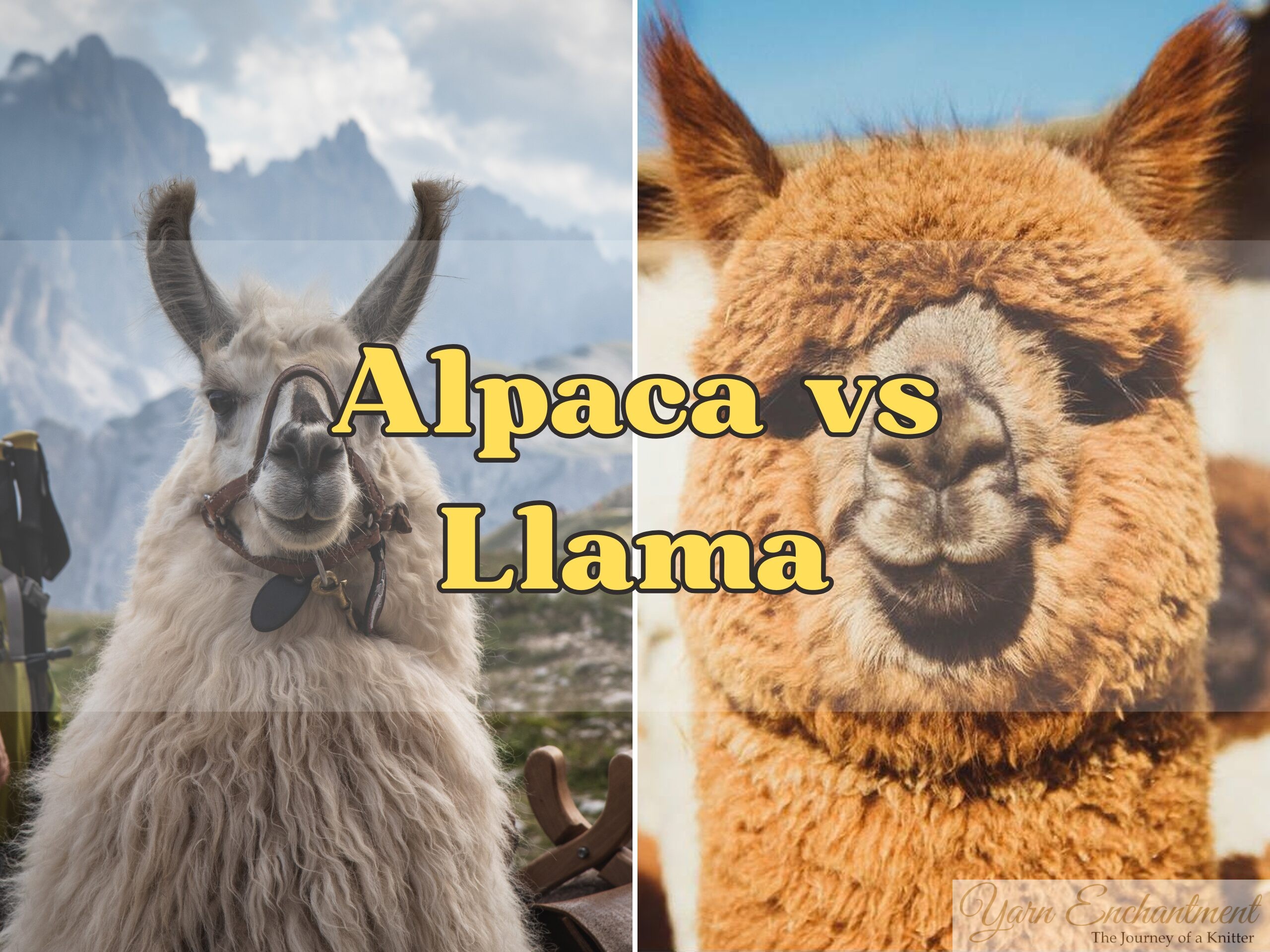
Alpaca vs Llama: How to Tell Them Apart (Fiber, Size, Personality + Photos) |
A Farm, A Tea, and a Gentle Correction
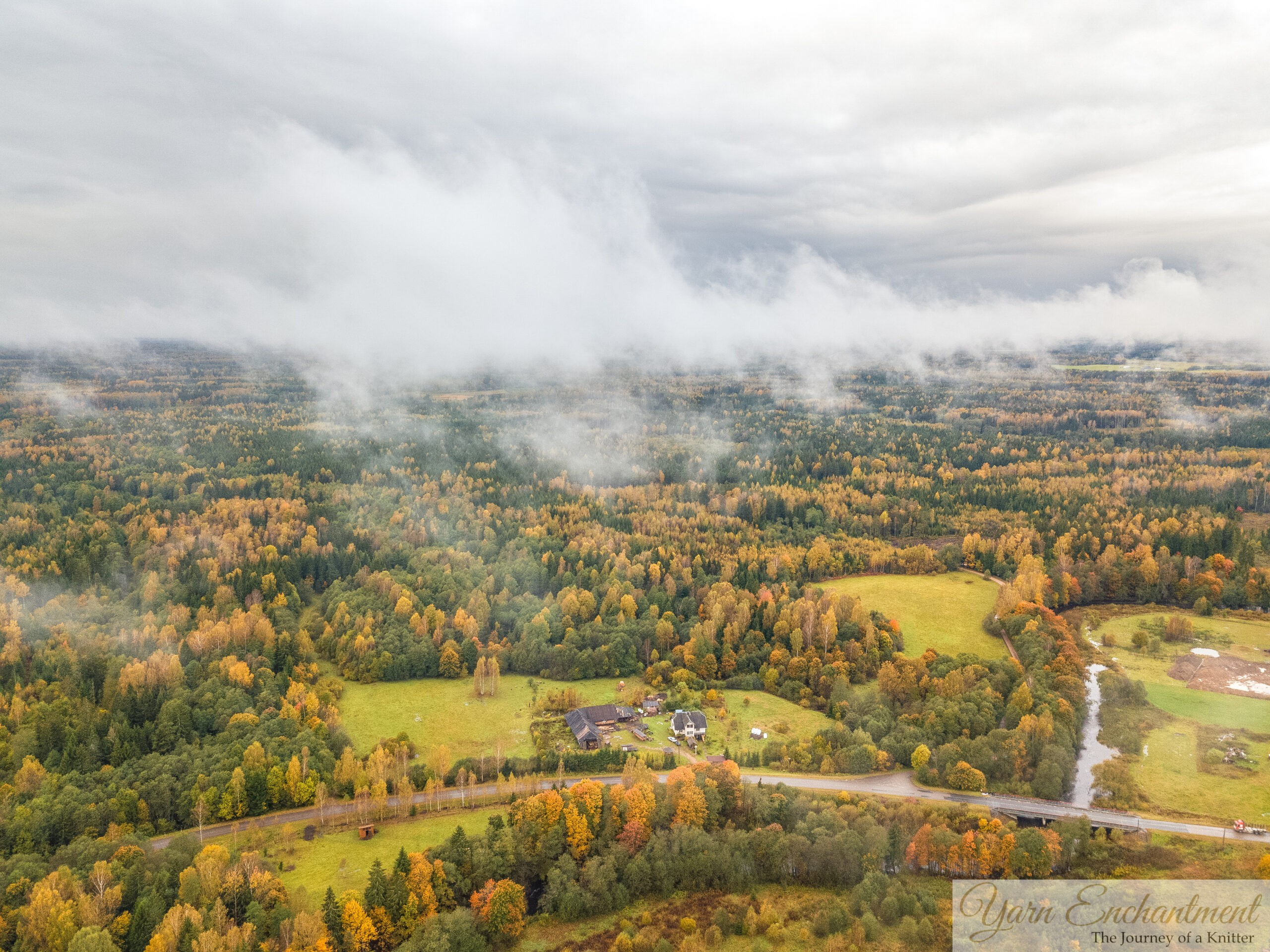
About twenty minutes from our house, nestled between rolling hills and fields of wildflowers, there’s a small farm. It’s quiet, peaceful, and feels like the kind of place you’d only find if you were meant to.
Even though my daughter is really car sick and does not like to drive at all, she always looks forward to visiting the Alpacas. Soon after getting out of the car she always shouts, “The llamas are so cute!” - until the owner, a kind and patient woman, would smile and say, “Actually, sweetheart, those are alpacas. Llamas are bigger, and they look a little different.”
At first, I thought it was just a sweet mistake, like calling a daffodil a tulip. No big deal. But one afternoon, after we’d walked with the alpacas, she invited us onto her porch, handed us mugs of tea, and started explaining why it matters to get the names right - not just to be accurate, but to really understand these gentle animals.
  |
Alpaca vs Llama: How to Tell Them Apart by Their Ears
Let’s start where my daughter started - with the ears.
Because honestly? That’s the easiest way to tell them apart.
- Alpacas have small, straight ears that stand up like little spears, soft and alert, like they’re always listening. Their faces are round and sweet, almost like a bunny’s, with big, gentle eyes. If you see something that looks like a fluffy cloud on legs with perky ears, that’s an alpaca.
- Llamas are different. Their ears are longer, curved like bananas, and they stand tall and lean - like they’re keeping watch over everything. They’ve got a calm, confident vibe, like they’re the quiet protectors of the group.
My daughter still sometimes calls them “llamas” - and I don’t jump in to correct her. Instead, I just say, “Look at their ears,” and let her notice the difference herself. She’s learning slowly, not because I’m pushing her, but because she’s curious. And that’s the kind of learning that sticks.
Alpacas have round, soft faces, almost like a bunny or a teddy bear. Their eyes are big and gentle, and their noses are short. If you see something that looks like a fluffy cloud with perky ears and a sweet face? That’s your alpaca. Llamas? Longer faces, more angular - like a gentle horse or deer. Their eyes are set a little farther apart, and their noses are longer. They look like they’re always watching - because they are. They’re the quiet guardians of the herd. Why it matters for knitters:Quick Tip: Faces Tell the Story Too
The face and ears are the easiest way to tell them apart, even from a distance. And if you’re buying yarn labeled “alpaca,” and the photo shows a long face with banana-shaped ears? You might want to double-check.
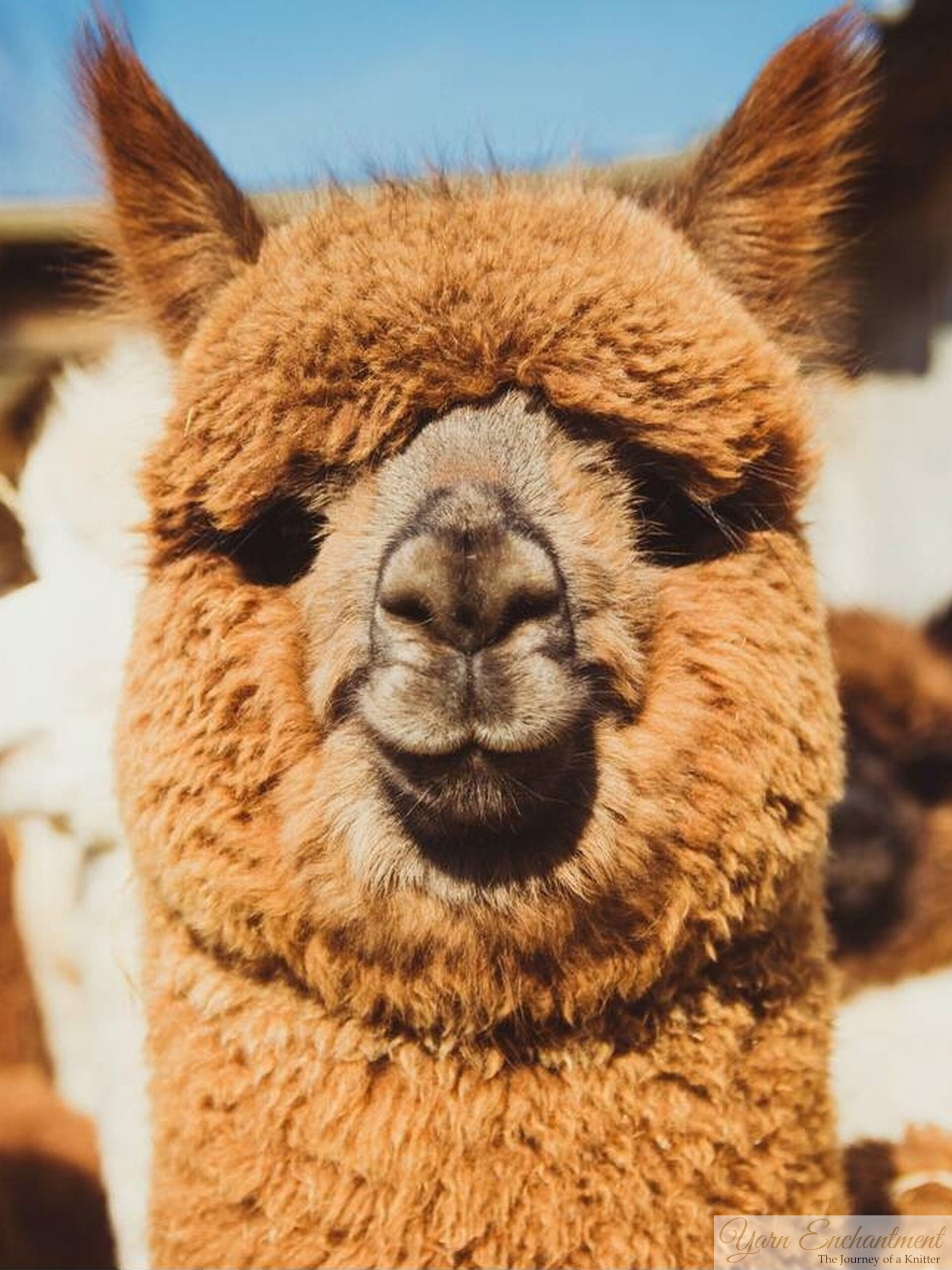  | 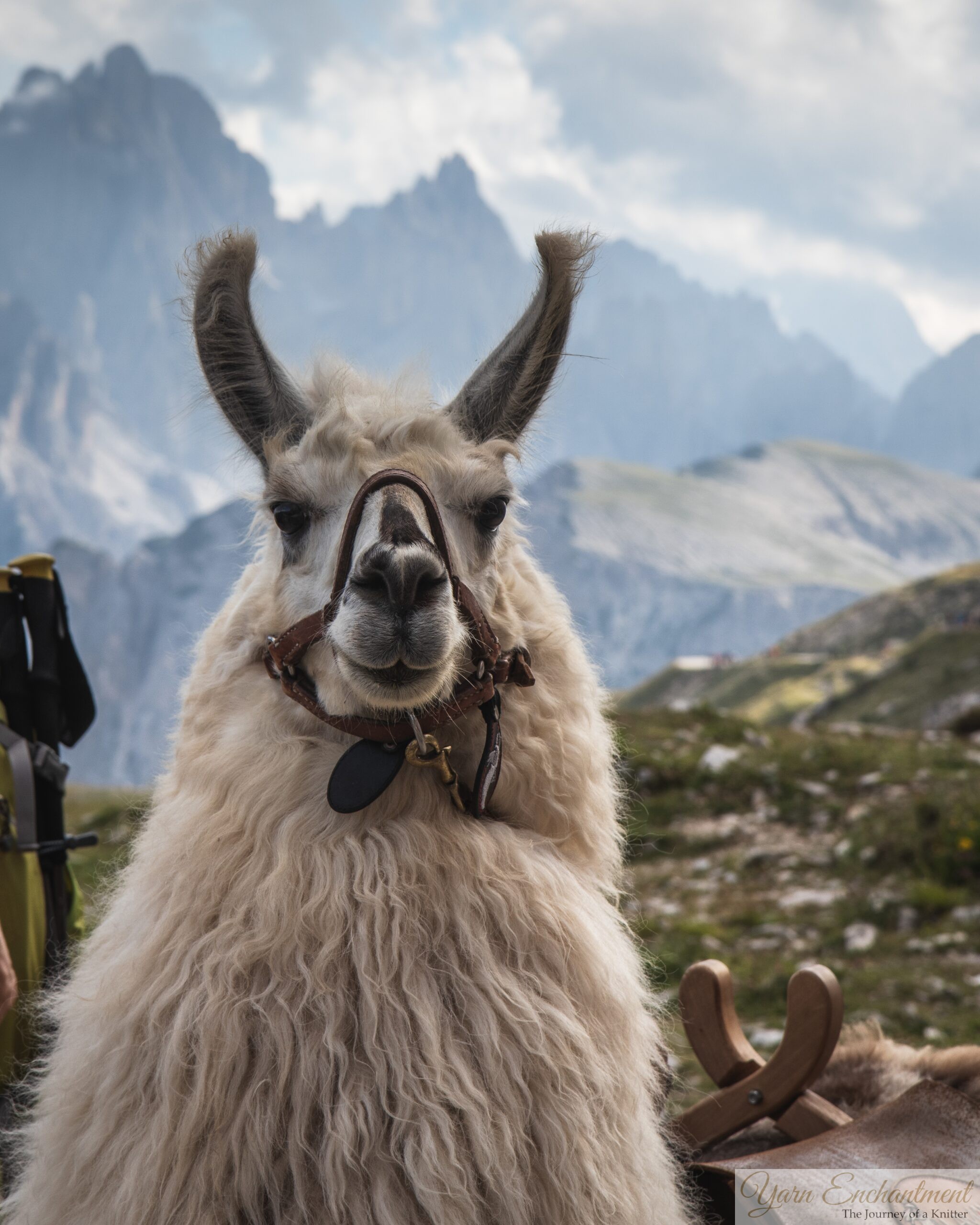  |
Alpaca - has short, straight, fluffy “bunny-like” ears | Llama- has long, banana-shaped, curved ears |
Size Matters - Especially When You’re Packing a Load
Here’s where things get practical - and honestly, kind of cool.
Llamas are the bigger ones. They stand over 1.5 meters tall (about 5 feet) and can weigh up to 181 kg (400 pounds). They were bred by the Inca to carry heavy loads over rough mountain trails. Strong. Reliable. Built to go the distance.
Alpacas are much smaller, about 1 meter tall (roughly 3 feet), and they weigh between 68–79 kg (150–175 pounds). They were never meant to carry packs or pull carts, just to look gorgeous and give us that soft, luxurious fleece we all love.
One breeder put it perfectly:
“Llamas were the trucks of the Inca Empire. Alpacas were the artists.”
And you know what? That makes total sense.
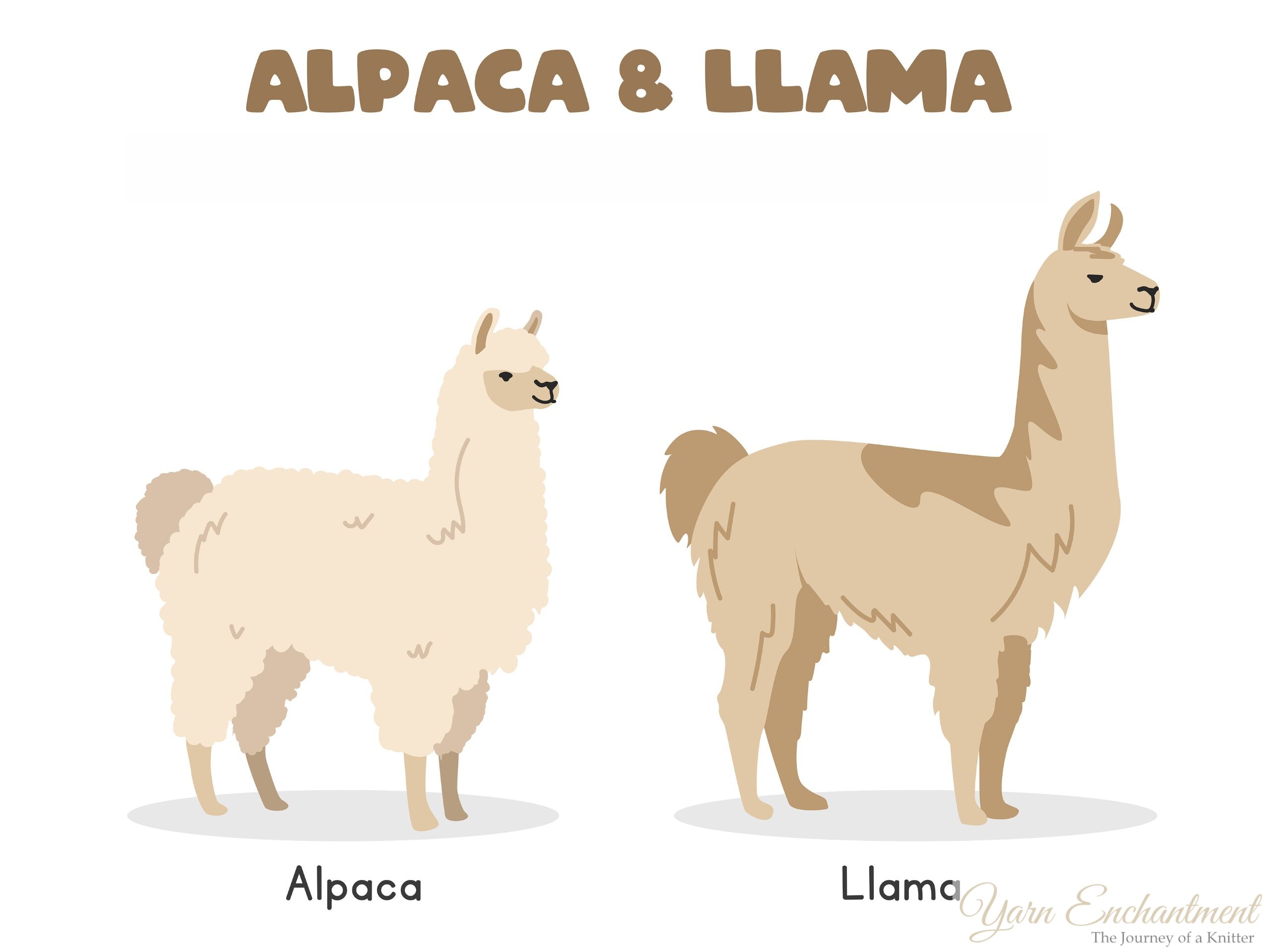  |
Llamas are much bigger than alpacas. |
Alpaca vs Llama Fiber: Which Is Softer? Which Is Better for Knitting?
She brought out two tufts of fiber, one from a llama, one from an alpaca, and let me feel them.
A ‘tuft’ is a small, fluffy bunch of fiber - not yet spun into yarn - perfect for feeling the texture and quality before it becomes something you knit.
Alpaca fiber
Alpaca fiber it’s seriously soft. Like, so soft it feels like holding a breath in your hands. It’s warm, silky, and slides through your fingers like a cloud, no scratch, no itch, just pure comfort.
That’s why it’s perfect for baby blankets or cozy shawls, and sweaters you want to wear right next to your skin. It’s naturally hypoallergenic (great for sensitive skin), warmer than sheep’s wool, and lighter than cashmere.
And here’s the beautiful part: alpacas were bred for this. Not for work, but for softness. For warmth. For holding you close, stitch by stitch.
Llama Fiber - The Quietly Strong One
Llama fiber is different, and that’s what makes it special. It’s stronger, more durable, with a little more texture and body. Think of it as the “guardian” fiber: not meant for next-to-skin wear (it can feel a little scratchy up close), but perfect for outerwear, rugs, mittens, or any project where you want something that lasts.
It’s not “less than” alpaca - it’s different. And that difference? It’s beautiful and it’s honest.
One day, the breeder laughed and said,
“People sell ‘llama yarn’ because the name sounds familiar. But if it’s soft, chances are, it’s alpaca.”
And that’s when it clicked for me:
Naming things right matters, not to be picky, but to honor what each fiber is. Alpaca for softness. Llama for strength. Both worth knowing. Both worth loving.
Alpaca = the artist. Bred for softness, for luxury, for skin-deep comfort.
Llama = the guardian. Bred for strength, for work, for carrying the weight of the world - and still standing tall.
Fur & Fiber - What’s Growing on Them (And What It Means for Your Yarn)
Alpacas grow one layer of super-soft, dense fiber - no coarse topcoat. It’s so thick that they need to be shorn every spring or summer (usually once a year) to keep them cool. That’s why alpaca yarn is so consistent - and so soft.
Llamas? They’ve got two layers, a rough, prickly outer coat (great for rugs or ropes) and a softer undercoat (sometimes spun into sturdy yarn). The undercoat is still coarser than alpaca, around 50–65 microns vs. alpaca’s 18–30. That’s why you rarely see true llama yarn for next-to-skin wear.
Tip: Alpaca fiber has no lanolin, that’s the waxy stuff in sheep’s wool that makes it waterproof. No lanolin = no itch, no smell, and naturally hypoallergenic. Perfect for baby blankets or sensitive skin.
Llama fiber is not “bad” - just different. Think of it as the sturdy cousin, great for outerwear, or projects where you want texture and durability.
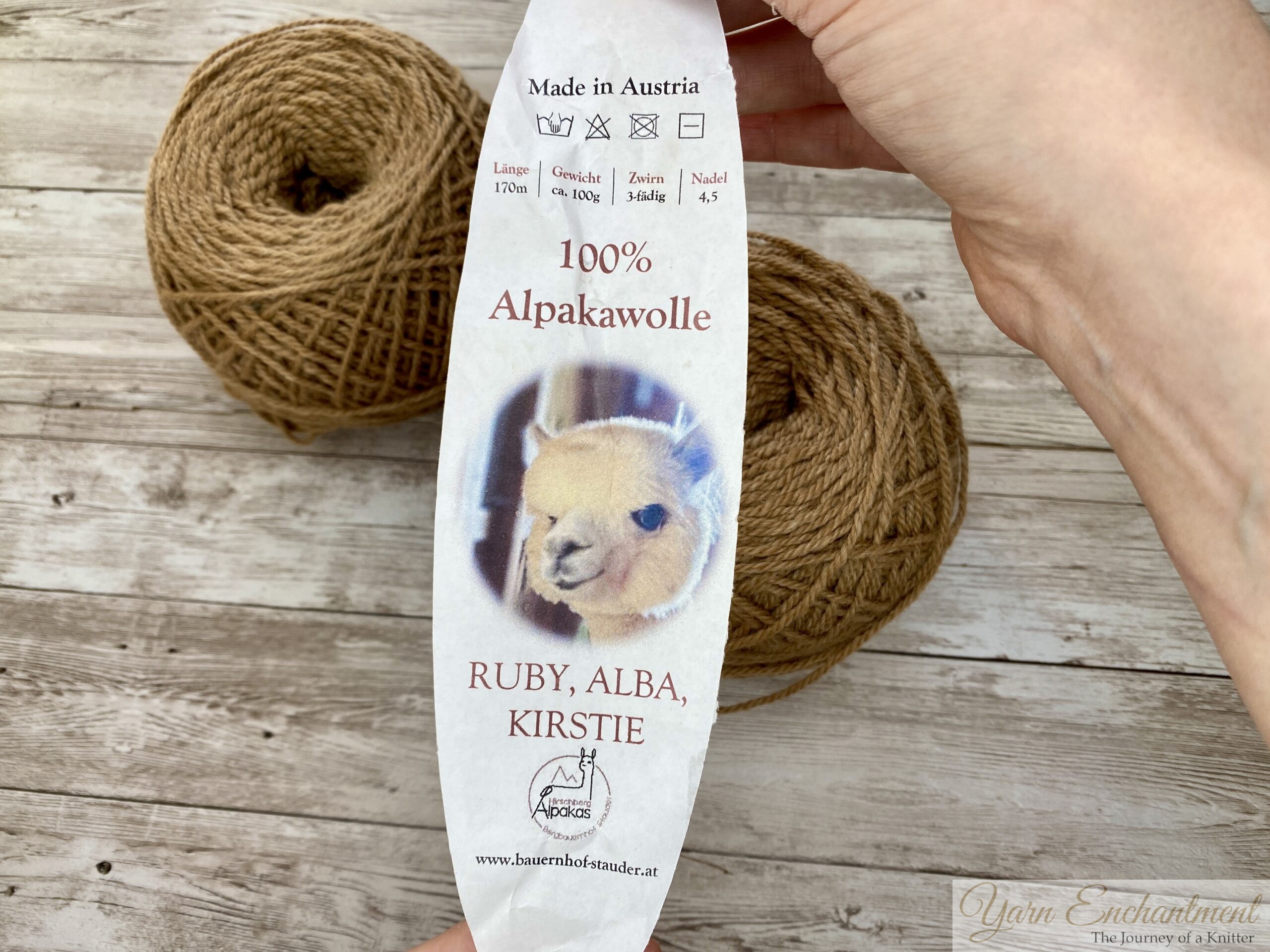  |
I treated myself to two skeins of undyed alpaca yarn - and I’m absolutely smitten. Since it’s undyed, the colors are all natural - just the soft, earthy shades of the alpacas themselves. And here’s the sweetest part: each label features a photo and the name of the alpaca who grew the fiber. (Yes - you get to meet the fluffy artist behind your yarn!) I’m still not sure what to make with it… maybe a cozy hat? Do you have an idea? I’d love to hear what you’d knit with it - or if you’ve ever worked with undyed alpaca, I’d love to hear your story too. |
Colors: Why Alpaca Yarn Feels Like a Hug - Even Before You Knit It
Alpacas come in over 22 natural colors, from pure white and creamy beige to deep chocolate, silver grey, and even black. Some even have “surprise” markings, like a white face with a brown body, or a spotted pattern.
Why knitters love this:
-
Undyed alpaca yarn shows off the alpaca’s real color with no chemicals and no dye. Just nature’s beauty.
-
Here in my region each skein often comes with the alpaca’s name and photo, so you’re literally knitting with a story.
-
Natural colors are perfect for heirloom projects - they age gracefully and never fade. And you don’t have to worry about color bleeding, which is especially helpful when you’re working on colorwork or stripes.
Llamas have fewer natural colors, mostly white, beige, or brown. Their fiber isn’t usually dyed either, because it’s coarser and less in demand for fine knitting.
Fact: If you’re buying “undyed” yarn and it’s a vibrant pink or turquoise? It’s probably not alpaca, or it’s been dyed. True undyed alpaca is earthy, soft, and full of quiet beauty
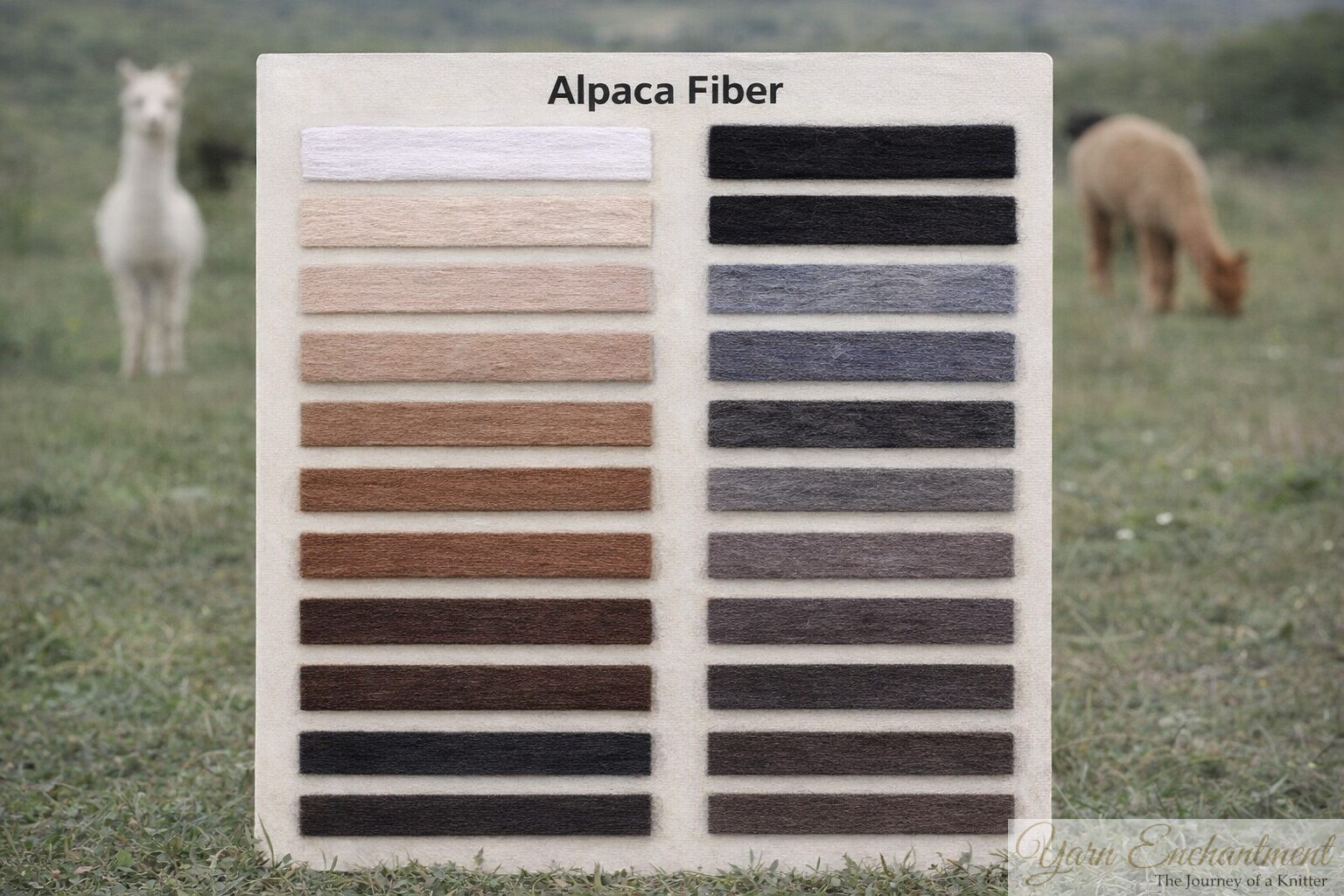  |
I wanted to create a color palette that shows the natural beauty of alpaca fiber - the soft, earthy tones that come straight from the animal, untouched by dyes. These are the shades that alpaca lovers tend to reach for again and again. |
Alpaca vs Llama Personality: Are They Friendly? Do They Spit? (Real Farm Stories)
The Alpacas? They’re Shy, Sweet, and Surprisingly Social
Alpacas stick close to each other. They make soft humming sounds, not really loud, just a quiet background noise when you’re near them. They’re gentle, and they like being around their herd, including people, if they decide you’re okay.
One alpaca followed us along the fence, just walking beside us. The breeder smiled and said, “She’s just checking you out. They’re curious like that.”
Then came the sweetest moment: one of them leaned in and gave my daughter a little nose kiss - right on the cheek.
The breeder whispered, “Those are rare. They don’t do that unless they really like you.”
The Llamas? They Keep Watch
Llamas don’t crowd together like alpacas. They stand apart, quiet and always alert. Like they’re always paying attention.
One llama was standing on a little hill above the rest. Just watching. The breeder said, “That’s Paco. He keeps an eye out for foxes, and yes, he’ll spit if he has to. But only at real threats. Never at people he likes.”
Why Does This Matter to Us - Knitters, Crocheters, Makers?
Because when you pick up a skein of alpaca yarn, you’re holding something that’s been cared for, for generations.
Alpacas weren’t bred to work or to be eaten. They were bred for their fiber - soft and warm. For thousands of years, Andean families raised them to give us something beautiful and useful.
That yarn you’re holding? It’s:
-
Hypoallergenic (great if you’re sensitive to wool)
-
Warmer than sheep’s wool
-
Lighter than cashmere
And every stitch you make with it? It’s a small way to honor that history, and the animals who give us this gift.
Llamas? I like them too. They’re strong, steady, and kind of majestic. But for yarn? For that cozy, next-to-skin softness we love? Alpaca wins, hands down.
FAQ Alpaca vs Llama
Is alpaca yarn softer than llama yarn?
Yes - alpaca is bred for softness. Llama fiber is coarser and better for outerwear or rugs. If it’s soft? It’s probably alpaca.
Can you knit with llama fiber?
Technically yes - but not for next-to-skin wear. Most “llama yarn” is actually alpaca or a blend. True llama fiber is stiff and best for rugs, mittens, or outerwear.
Why is alpaca yarn more expensive than wool?
Because it’s rare, hand-sheared, and bred for luxury. Plus - many skeins come with the alpaca’s name and photo. That’s love, woven in.
Do alpacas and llamas live together on farms?
Yes - often! Llamas protect alpacas from predators. They’re like gentle bodyguards with banana-shaped ears.
Final Thought: An exiting days end
We went to the farm thinking we’d just take a walk and maybe buy a little yarn. (Let’s be real, “buying yarn” and “knitting” are two different hobbies 😉)
But because my daughter called alpacas “llamas” - and because the breeder took the time to explain the difference, I ended up learning so much.
So much, in fact, that I’m writing this post. And I’m really glad I did.
Did you ever mix up alpacas and llamas? Or has a small mistake ever led you to learn something amazing?
I’d love to hear your story in the comments. You’re not just reading, you’re part of this little knitting community. And I’m so happy you’re here.
Until next time, happy stitching, happy dreaming, happy making. 🧶
  |
A Little Way to Say Thanks
Yarn Enchantment is my cozy hobby corner on the internet. If something here made your knitting day easier or you simply enjoy reading my posts and would like to say thank you, you can leave a small Ko-fi tip - but only if you truly want to.
My patterns and tutorials stay free for everyone, always. Every little tip just goes toward new yarn and a cup of tea for my cozy knitting evenings.
☕ Support me on Ko-fi
You Might Also Like


 |
|
Join the Cozy Corner Newsletter
Hello, creative soul. Welcome to the Yarn Enchantment Newsletter, a little space where we celebrate all things cozy, crafty, and full of heart. Think of this as your friendly crafting companion, a soft dose of inspiration delivered straight to your inbox, just for you. Each newsletter brings you: ✨ Notifications about new patterns and tutorials – easy knitting patterns and beginner crochet projects you won’t find anywhere else 🧶 Practical yarn tips for new crafters, plus advice on the best yarn for fall, blankets, and handmade gifts 💌 Small stories and adventures from my own workbench, because crafting is as much about the journey as the finished piece Whether you’re knitting by the fire, looking for your next creative spark, or simply wanting a quiet moment with your hooks and needles, this newsletter is here to cheer you on. Crafting isn’t just about the final project. It’s about the joy, the peace, and the stories we weave along the way. So grab a cup of tea or coffee, settle in, and join me. Together we’ll make a little magic, one stitch and one story at a time. I’m so glad you’re here. Let’s create something beautiful together. Sign up below to receive your first email, and feel free to leave a comment on the blog if there’s a topic you’d love to see covered. Your ideas might just become our next newsletter feature. |