How to Care for Knitwear: Wash, Dry & Store Sweaters

Originally published on August 30, 2026
With every seasonal shift comes one of my favorite little rituals: unpacking our cozy winter layers and giving our knitted garments some extra love.
We pour hours, weeks, and sometimes even years, into creating our handmade pieces. Or maybe you are here because someone gifted you a special hand-knit or crocheted sweater, and you want to make sure you treat it right. When we care for our garments properly, they will stay with us for decades, turning into treasured keepsakes full of sweet memories. But treat them wrong, and a single wash cycle can turn a beloved adult sweater into something fit for a teddy bear!
I learned this the hard way years ago after accidentally tossing a handmade cardigan into a regular wash cycle. It came out completely felted, stiff, and unwearable. Since that painful day, I have honed a gentle, fiber-friendly routine that protects every single stitch.
Here is everything you need to know about washing, drying, de-pilling, and storing your knitwear so your sweaters stay soft, beautiful, and in perfect shape season after season.
|
How to Care for Knitwear: Wash, Dry & Store Sweaters |
Quick Rules for Knitwear Care
If you only remember five things, make them these:
- Wash less than you think: Natural animal fibers (like wool, alpaca, and cashmere) are naturally odor-resistant and only need washing every few wears.
- Never hang a wet knit: The weight of the water will stretch out the shoulders and hem permanently.
- Fold, never hang, for storage: Hanging knits leads to stretched necklines and unsightly hanger bumps.
- Mind the water temperature: Avoid hot water and sudden temperature changes to prevent felting.
- Protect against moths naturally: Store clean knits with breathable covers and fresh cedar or lavender.
When to Wash vs. When to Freshen with Air
Before you fill up a wash basin, ask yourself: Does this sweater really need a wash, or does it just need a little fresh air?
One of the best things about natural wool is that it basically cleans itself. Wool fibers naturally breathe and resist odors, so they don’t hold onto smells the way synthetic fabrics do.
Washing wool too often actually does more harm than good, it strips away the natural oils that keep the yarn soft and can cause extra pilling. Unless you spilled coffee on it, a sweater can easily go 5 to 10 wears between washes! (For things like hats, cowls, or scarves that sit right against your skin and hair, I wash those a bit more often, every 3 or 4 wears.)
💡 Quick Tip: Between wears, drape your sweater flat over the back of a chair or across a drying rack overnight. Letting the fibers breathe and recover their natural shape is usually all it takes to refresh them.
Try an Outdoor "Air Bath"
If your sweater needs a little mid-season refresh, give it an outdoor air bath instead of a full wash!
Whenever we have a cool, overcast day with a gentle breeze, I lay my knits flat on a drying rack outside for a few hours. A little moisture in the cool air helps the wool fibers relax and let go of any trapped odors, and the breeze does the rest.
Just be sure to keep them in the shade, direct sunlight will fade those gorgeous hand-dyed colors and can make the yarn feel dry and brittle.
How to Handwash Knitwear (The Safest Method)
When it comes to pure wool, alpaca, mohair, and untreated hand-knits, nothing beats a gentle handwash in the sink. You have complete control the whole time, and there's zero risk of machine heat or rough spinning shrinking your hard work.
Why does wool felt in the first place? It really just takes three things: heat, water, and rubbing. When wet wool gets hot and gets tossed around, the fibers grab onto each other and lock tight, and that’s how you end up with a shrunken sweater! To keep your knits safe, stick to cool or lukewarm water, and never scrub, rub, or wring the yarn.
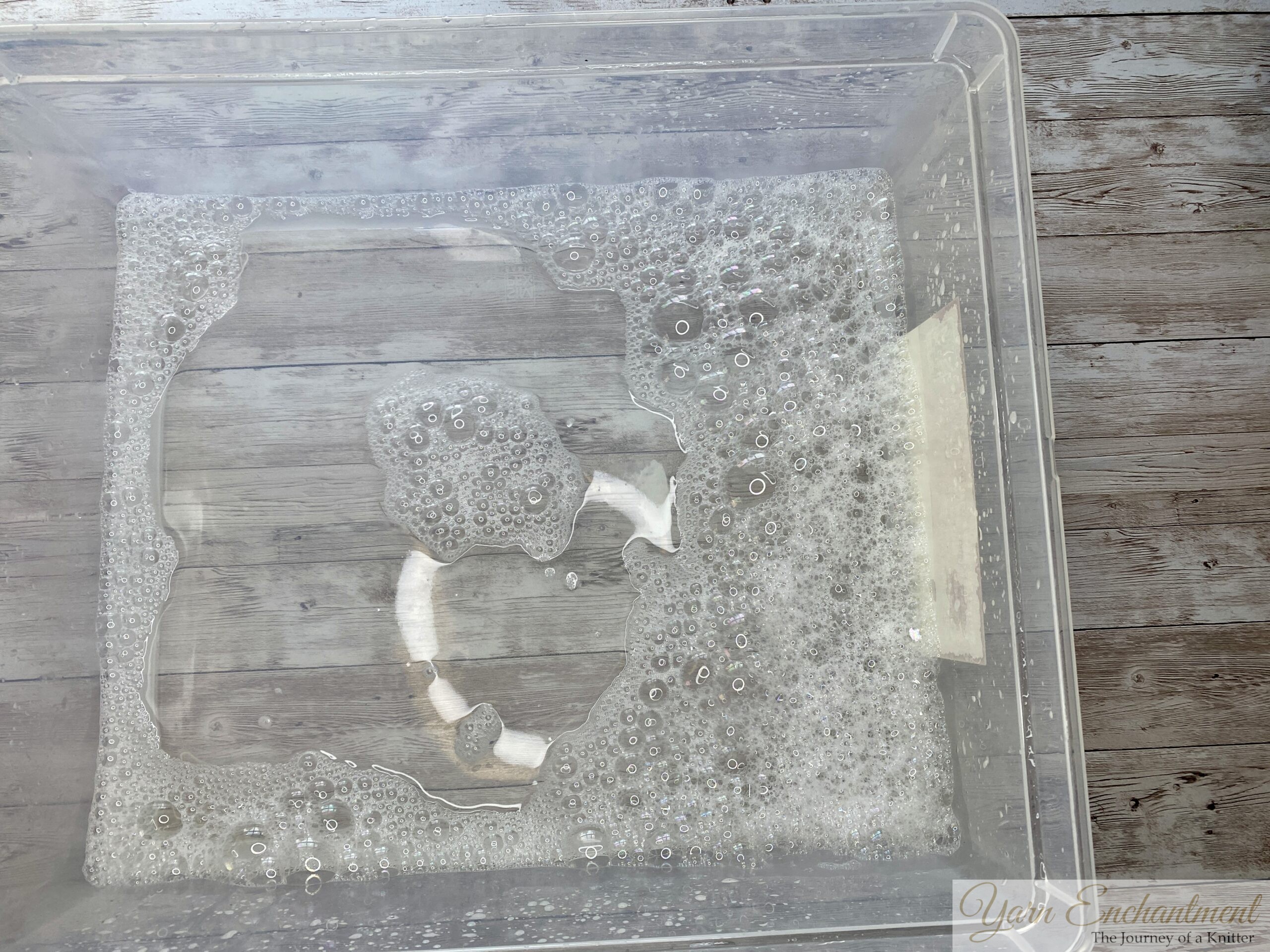
Step 1: Fill the Basin with Tepid Water
Fill a clean sink, tub, or washbasin with cool to lukewarm water (around 30°C / 85°F). Avoid hot water.
|
For photo purposes, I’m using a plastic tub here! :D |
Step 2: Add a Fiber-Friendly Detergent
You only need a tiny bit of soap here.
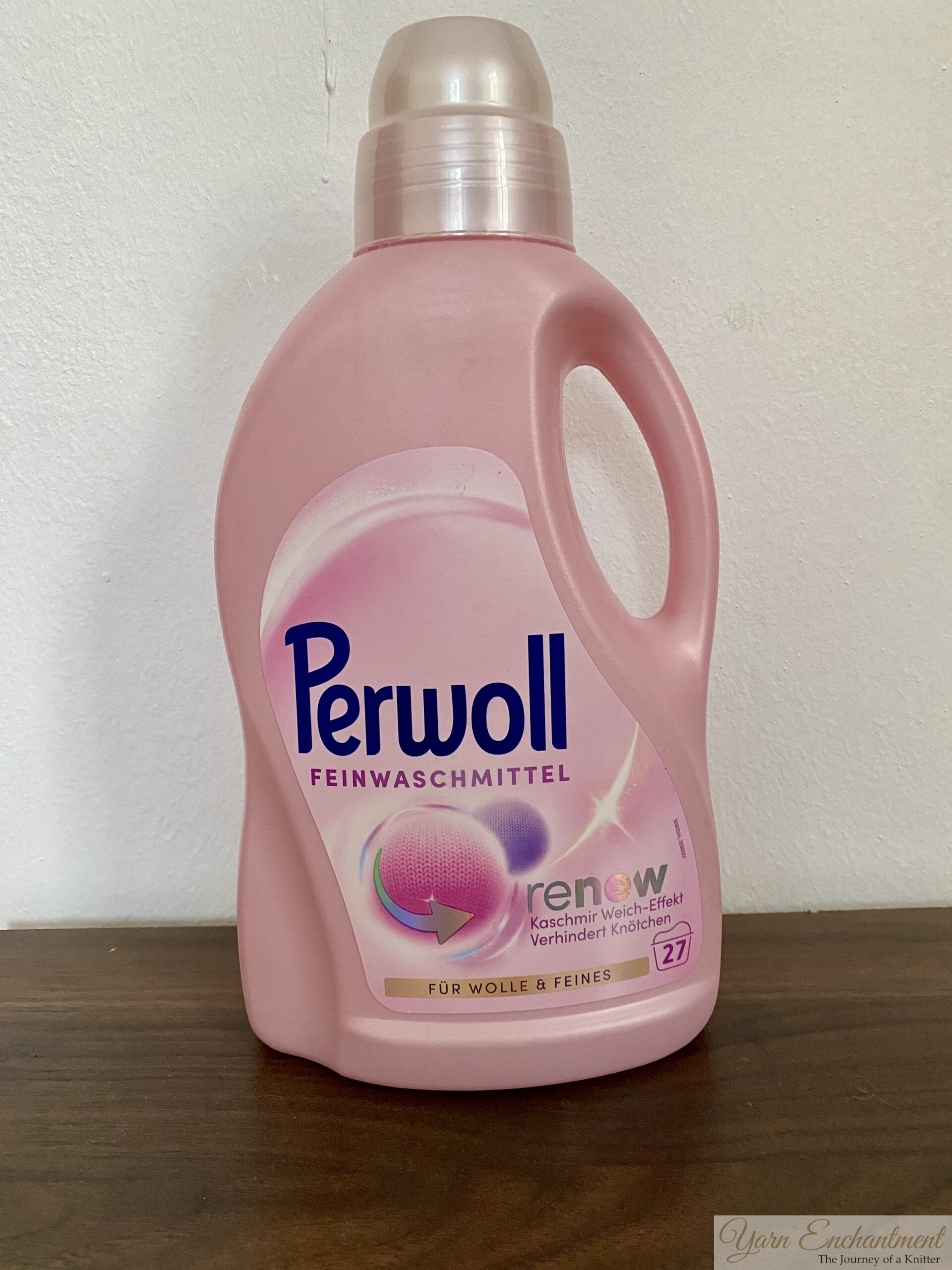
A lot of knitters love no-rinse wool washes like Eucalan or Soak because you don't have to rinse them out, which means less handling and less fuss. If you're using a standard delicate detergent, just a few drops will do the trick. (Just steer clear of regular laundry detergent, bleach, and especially fabric softener, softener leaves a waxy build-up that ruins the natural bounce and breathability of yarn!)
Personally, I grew up with Perwoll, it's a classic wool wash my grandma always swore by, and I just kept up the tradition!
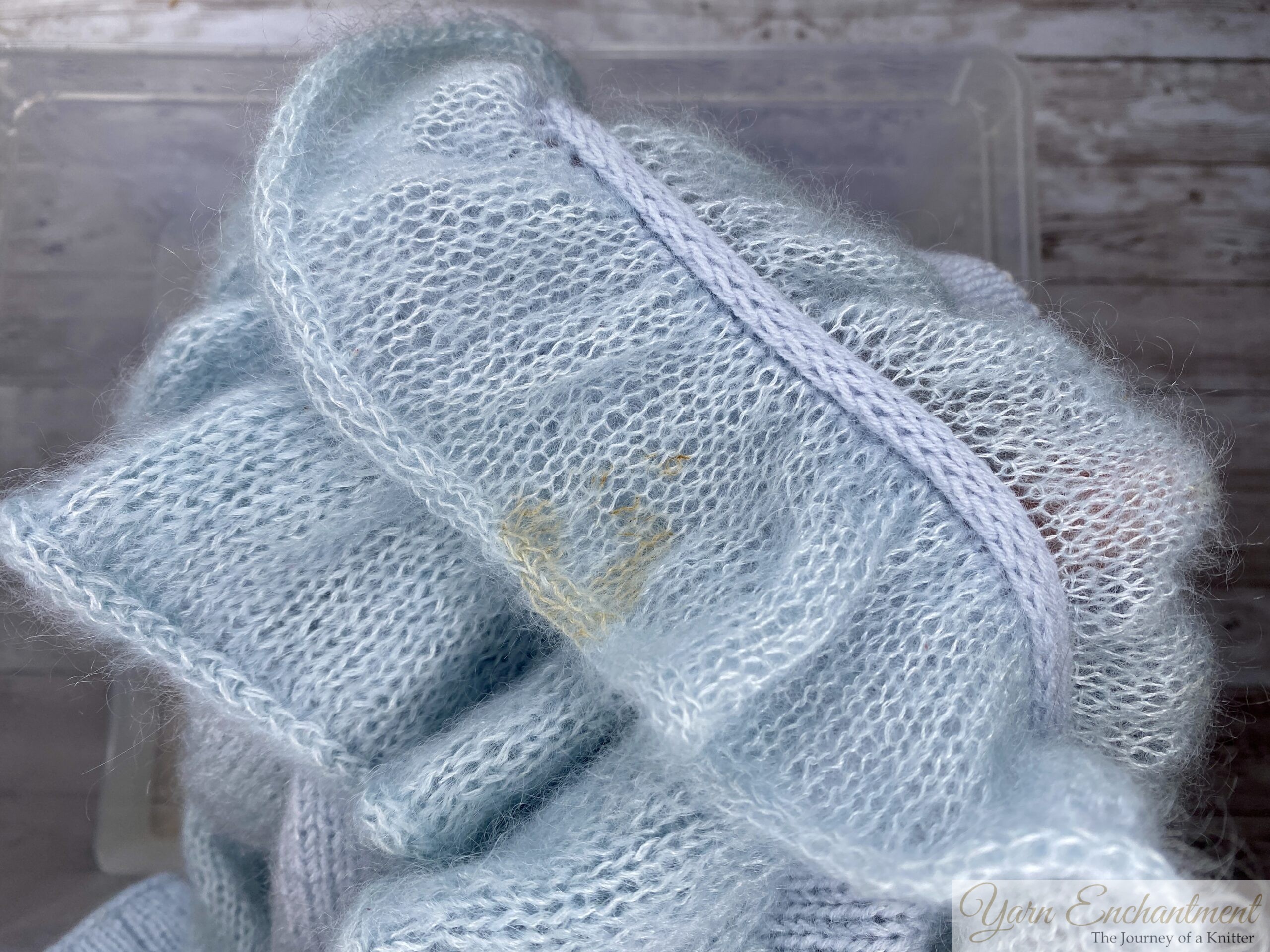
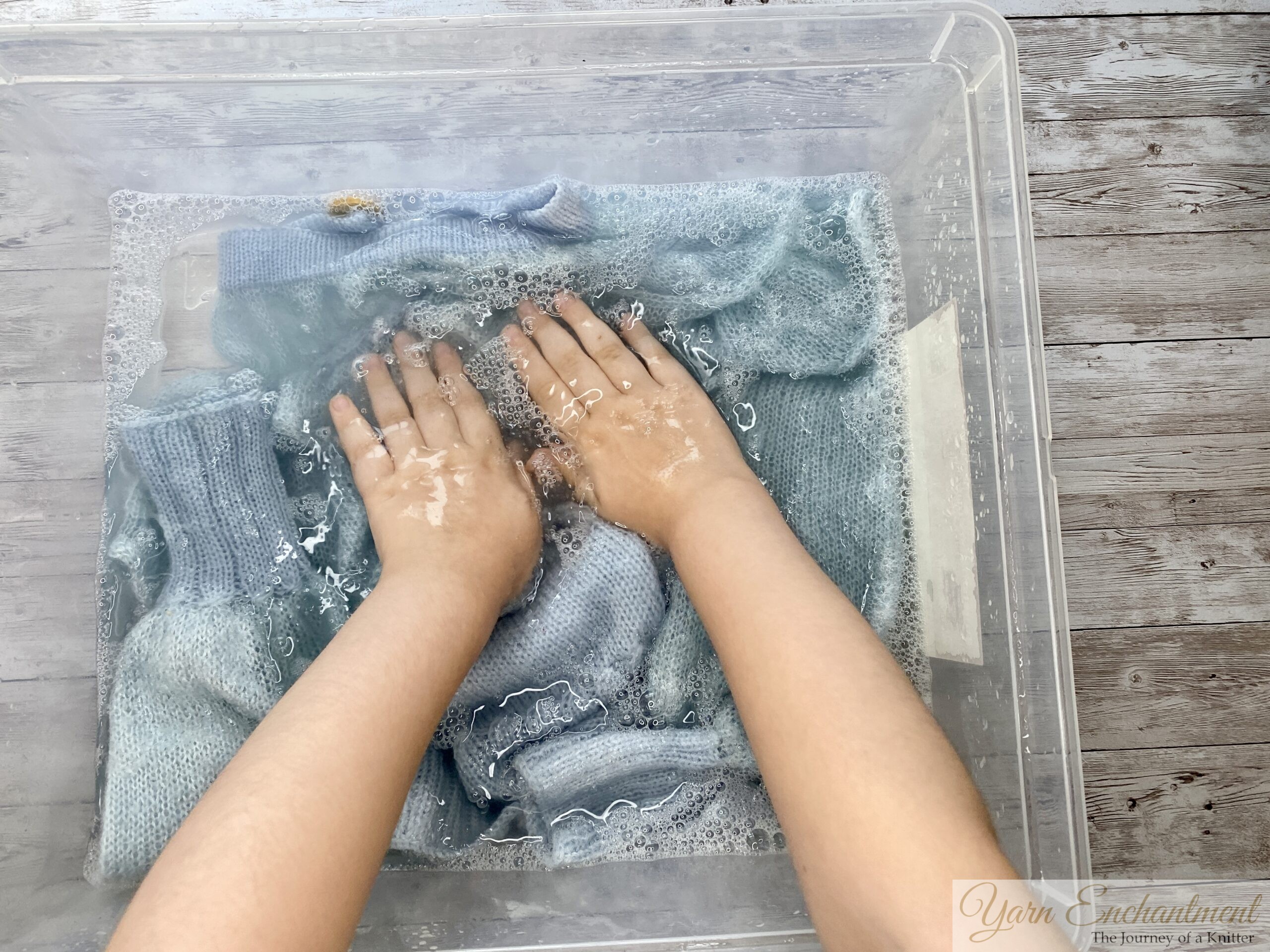
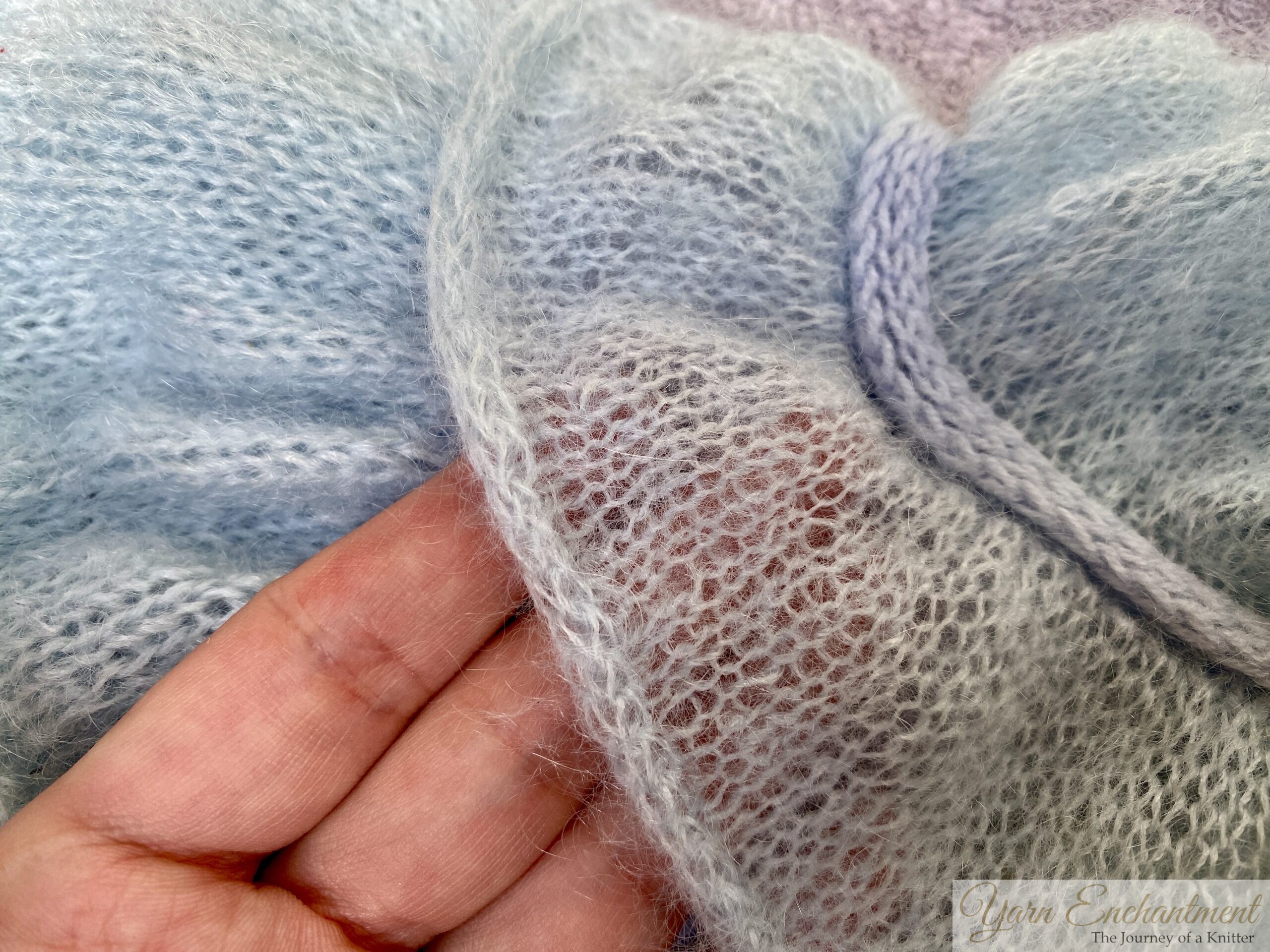
In the photos below, you can see me washing a little sweater I knit with Knitting for Olive Merino and Mohair. The 100% mohair ruffles had managed to catch a stain, but after letting the whole sweater soak for about 20 minutes in the soapy water, the stain came out completely on its own, no scrubbing needed!
|
I am using this since the beginning. |
Step 3: Soak Gently (No Agitation)
Gently push your sweater down into the water until it's completely soaked through. There’s no need to scrub, rub, or wring it, just let the soapy water do all the work! Step away and let it soak quietly for about 15 to 20 minutes.
Step 4: Rinse Carefully (Match Water Temperatures)
If your soap needs to be rinsed out, drain the sink and gently press the sweater against the side of the basin to squeeze out the soapy water, never twist or wring it! Then, refill the basin with fresh water that's the exact same temperature as before.
Wool really dislikes sudden temperature changes. Going straight from lukewarm wash water into icy tap water can shock the fibers and cause the sweater to shrink!
|
After washing, I rinsed the sweater a couple of times with clean, lukewarm water, and as you can see, the stain is completely gone! |
Machine Washing Knitwear (When Is It Safe?)
Can You Use the Washing Machine? Good news: you don’t always have to wash by hand! Yarns like superwash wool, cotton, linen, and acrylic can usually handle a trip through the washing machine just fine.
Just be sure to check your yarn ball band or care tag first. If it's machine-safe, here is how to keep your stitches safe:
- Turn it inside out: This simple trick protects the outside of your sweater from rubbing against other clothes and creating pills.
- Pop it in a mesh laundry bag: A zippered delicates bag keeps sleeves from getting tangled around the machine or snagged on zippers.
- Choose the Wool or Gentle cycle: Stick strictly to cold water.
- Turn down the spin speed: Keep your spin speed on the lower side (around 600–800 RPM). A super-fast spin cycle pulls hard on heavy, wet yarn and can stretch out your seams and stitches before you even take it out!
How to Dry and Reshape Knits (The "Towel Burrito" Method)
Wet wool gets heavy very fast! If you pick up a soaked sweater by the shoulders, all that water weight will drag it down and stretch it out. And whatever you do, never, ever wring or twist your knitwear.
Instead, I swear by the "Towel Burrito" method to get out the water safely:
- Cradle the sweater: Lift the wet sweater out of the sink using both hands to support its weight, and gently press it against the side of the basin to let the bulk of the water drain out.
- Make your burrito: Lay a clean, dry bath towel flat on the floor or counter, and lay your damp sweater on top. Roll the towel up snugly with the sweater tucked inside, just like a big burrito!
- Squish out the water: Gently press down along the rolled-up towel with your hands, or honestly, just walk on it with clean feet! The towel will soak up most of the moisture without pulling on any of your stitches.
- Reshape and lay flat: Unroll your towel and move the sweater to a fresh, dry towel or a mesh drying rack. Smooth it out gently with your hands, patting the cuffs, collar, and hem back into their original shape.
- Let it air dry: Leave it flat in a spot with good airflow, away from direct sun and heaters. I like to flip mine over after a few hours so the other side can dry nicely too.
|
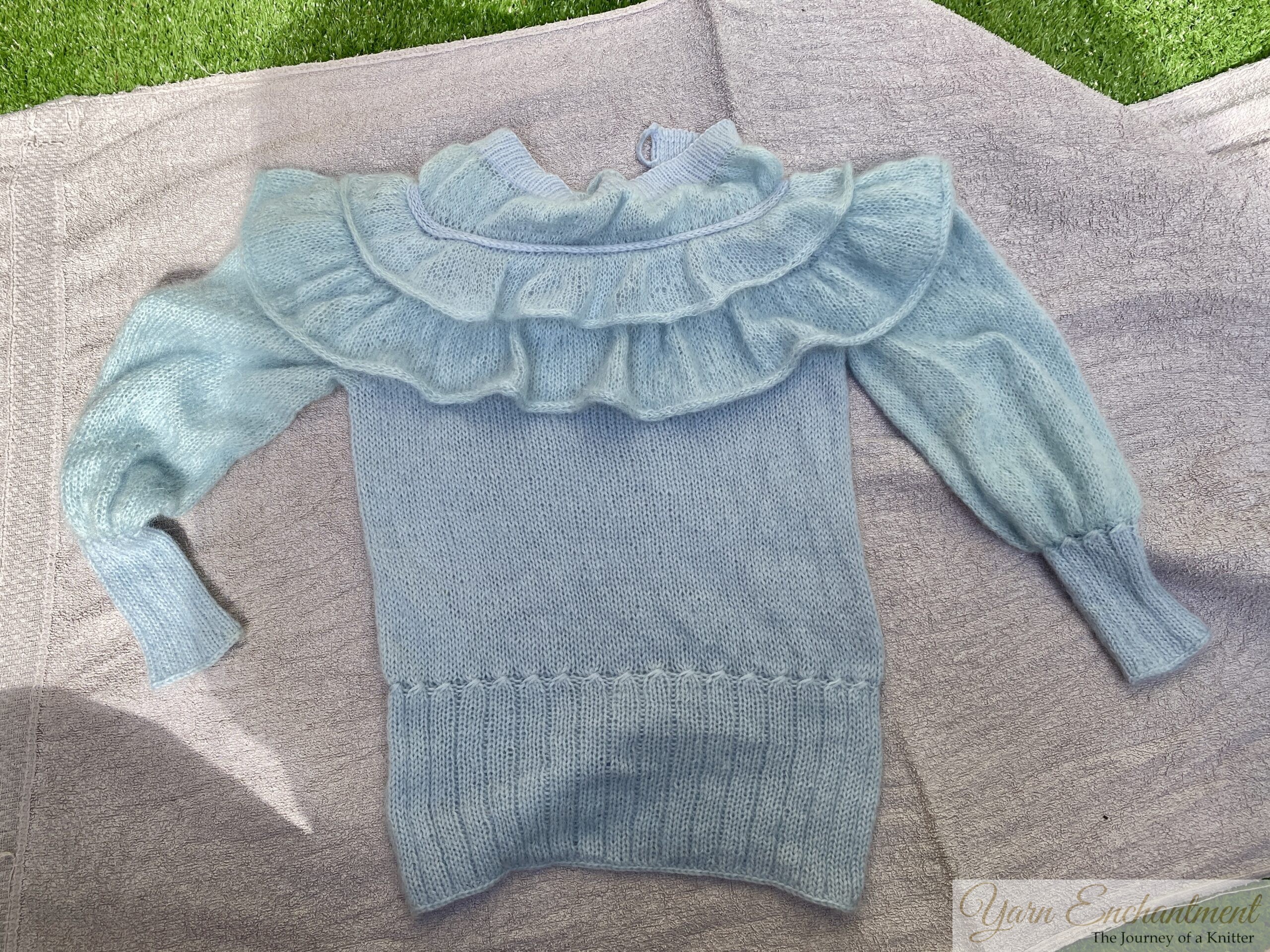
After rolling it up to squeeze out the excess water, I lay it flat on a dry towel to dry completely. (This sweater will be packed away for now since it has gotten too small for my daughter!) |
Removing Sweater Pills and Making Minor Repairs
Surface pilling is a natural characteristic of spun yarn, not a sign of poor quality. It happens when short, loose fibers work their way to the surface and rub together during normal wear.
- Sweater Combs & Stones: Ideal for fine-gauge knits, cashmere, and tight weaves. Glide the comb lightly across the fabric in one direction following the grain of the knit.
- Electric Fabric Shavers:My favorite tool for chunky sweaters and heavier textured knits. Use light, gentle circles without pushing down too hard so you don't accidentally nick the good yarn underneath.
- Fixing Snags: If a stitch catches on jewelry or a zipper, never cut the thread! Use a tapestry needle or crochet hook to pull the loose loop through to the inside (wrong side) of the sweater.
Seasonal Storage Checklist: Keeping Knits Safe for Summer
Whenever it’s time to pack your sweaters away for the season, taking a few minutes to store them properly saves you from heartbreak later. There’s nothing worse than opening a box months down the road and finding moth holes, musty smells, or stretched-out necklines!
Seasonal storage checklist:
1. Wash everything before packing (moths love microscopic body oils).
2. Fold neatly; never hang long-term.
3. Stack lightly (heaviest knits at the bottom, max 3 high).
4. Use breathable fabric storage bins (cotton/linen).
5. Add reactivated cedar blocks or lavender sachets.
6. Store in a cool, dry, dark closet (avoid damp basements/hot attics).
Why Breathable Storage Matters
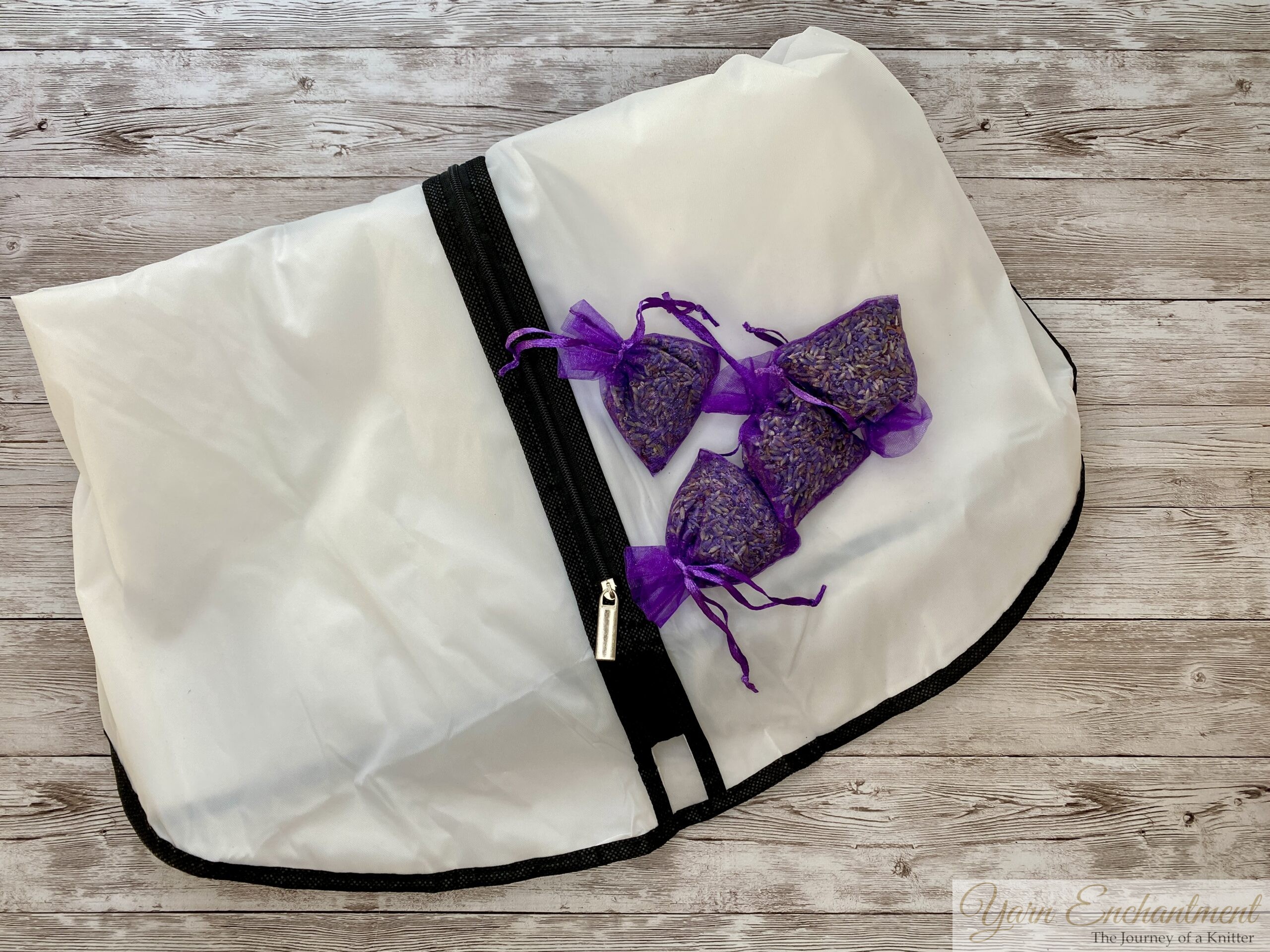
It’s tempting to toss everything into plastic tubs or vacuum bags, but try to avoid them for long-term storage. Pure wool really needs to breathe! Plastic can trap even the tiniest bit of moisture, which leads to mildew and damages the fibers over time. Instead, grab some breathable zippered cotton or linen storage bags.
Keeping Moths Away Naturally
Clothes moths are attracted to keratin (the protein in animal hair) and are drawn to sweat, food residue, and body oils.
- Wash first: Never store a sweater that has been worn, even once.
- Reactivate your cedar:Cedarwood contains natural aromatic oils that deter pests, but those oils dry out over time. Give your cedar blocks alight sanding with fine-grit sandpaper each season to release fresh natural oils before placing them near your clothes.
- Dried Lavender: Lavender sachets provide a wonderful scent and act as a safe, natural deterrent alongside cedar.
|
I place my knitted garments into a zippered fabric storage bag, and I always tuck in a little lavender sachet just to be sure the moths stay away. |
Frequently Asked Questions (FAQ)
How often should you wash a wool sweater?
Every 5 to 10 wears is typical for normal use, provided you wear an undergarment beneath it and air the sweater out between wears. Spot clean small spills immediately rather than washing the entire garment.
Can you un-shrink a wool sweater that has shrunk in the wash?
If the wool is lightly shrunken (compacted), you can often relax the fibers by soaking the garment in lukewarm water mixed with 2 tablespoons of hair conditioner or baby shampoo for 30 minutes. Gently press out excess water, then gradually and evenly stretch the garment back to its original dimensions on a blocking mat and pin it in place to dry. However, if the sweater has fully felted (the stitches are completely fused solid), the damage is permanent.
Why do sweaters get hanger bumps, and how do I fix them?
Hanger bumps occur because gravity pulls down on the wet or dry knit, stretching the stitches directly over the edges of the hanger. To remove hanger bumps, lightly spritz the shoulder area with water or steam it gently with a garment steamer, then smooth the bumps flat with your fingers and let it dry flat.
Should I store knits in vacuum-sealed bags?
It is not recommended for long-term seasonal storage of pure wool or luxury fibers. Natural animal fibers thrive on airflow and need to maintain their natural loft and crimp. Prolonged compression can crush the fibers permanently and trap residual moisture, risking mildew.
Caring for Your Knits Means Loving Your Craft
At the end of the day, caring for your knitwear really isn't complicated.
I’ll be honest, when you’re standing in front of a giant pile of sweaters that all need washing and drying before packing them away for the summer (or getting them ready for winter!), it can feel like a lot of work. But putting in that little bit of extra love is so rewarding. In return, you get beautiful, cozy pieces that keep their shape and last for years and years to come.
Once you get into the rhythm, it feels less like a chore and more like a cozy seasonal ritual.
What about you? What does your knitwear care routine look like? Do you have a favorite wool wash, or a little storage trick of your own? Drop your thoughts and tips in the comments below, I’d love to hear from you!