How to Work a Provisional Cast-On (Open Cast-On) Over a Spare Cable
April 16, 2025
How to Work the Kitchener Stitch: Invisible Grafting Made Easy
April 29, 2025Is This Image Real? How to Spot AI-Generated Crochet and Knitting Patterns on Pinterest

Originally published on April 22, 2025
I’ve been debating for a long time whether or not to write this post. Honestly, I wasn’t sure if it would fit into my blog. But lately, I’ve noticed something alarming: many of the beautiful designs I find on platforms like Pinterest are actually AI-generated images. These fake patterns look incredibly realistic, but they’re not based on real designs. As crafters, we end up wasting hours chasing or, even worse, purchasing patterns that simply don’t exist. It’s frustrating, discouraging, and also a little infuriating.
Today, I’m sharing pictures that I generated myself as well as some screenshots of AI-generated images from Pinterest, Reddit and Freepic - every single one of them is fake. I will show you how you can spot these AI-generated crafting images so you don’t fall for them and waste hours of your precious time to search for a pattern or spend money on a product that will never exist.
Update: I wrote this post a while ago, but AI has improved so much since then. The old signs do not always work anymore. So I wrote a new guide for 2026 with updated tips and tools. You can find it here.
This picture was generated by me, and I chose it because it looks so real. However, I can tell it’s AI-generated by looking at the eyes - the pupils are not perfectly round, and when zooming in, they appear dull and lifeless. The knitted sweater appears a bit blurry, so you can’t see it clearly. However, when you look closely at the knitted sweater, there’s no clear sign that it’s AI-generated. The colorwork sweater is entirely knittable - it’s not an unrealistic pattern that we can’t recreate. Additionally, if you examine the stitches, they’re sometimes uneven, just as you’d expect in a real handmade sweater.
What Are AI-Generated Crafting Images?
AI-generated crafting images are designs created by artificial intelligence algorithms rather than real crafters. These tools analyze existing patterns and generate new ones based on trends, but they often lack practical details or instructions. While they may look stunning, these images rarely translate into usable patterns.
The rise of AI-generated content has made it harder for crafters to distinguish between real and fake designs. As a result, many of us end up pinning images that lead nowhere - or worse, spending hours trying to reverse-engineer a pattern that doesn’t exist.
Recently, I watched a really interesting video by Ann, the creator of How to Cook That . She was talking about this exact issue in the cooking niche - how AI-generated food images are becoming more common and how misleading they can be. She even tried creating some herself, and it made me realize just how widespread this problem is across creative communities.
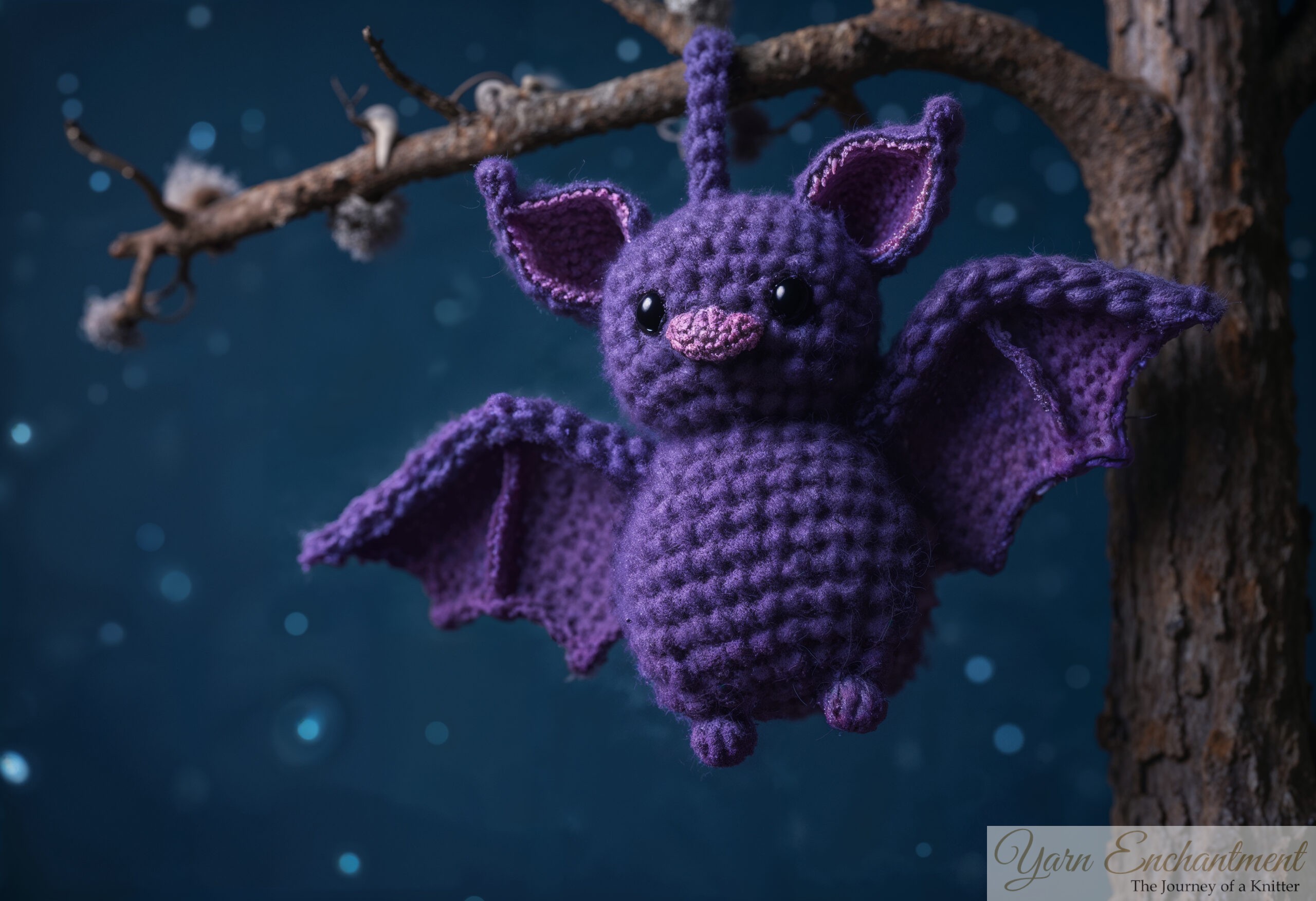
This is another example for an AI generated picture which appears to be perfect. You can see that the texture seems overly smooth. The lighting on the object and background looks perfect with no visible inconsistencies or natural light falloff. AI often creates backgrounds that feel more stylized than realistic. The overall composition is just "too perfect"! (picture source: freepic)
Why Are AI-Generated Crafting Images a Problem?
Before we get into the “how,” let’s talk about the “why.” You may be thinking: Why should you care about AI-generated crafting images? Here’s the deal:
- They Waste Your Time: You spend hours trying to reverse-engineer a pattern that doesn’t exist.
- They Lead to Frustration: The excitement of finding a beautiful design turns into disappointment when you realize it’s not real.
- They Flood Platforms Like Pinterest: With AI tools becoming more advanced, fake crafting images are everywhere - and when they are not marked as an “AI image” they’re hard to spot.
As someone who uses Pinterest for visual inspiration, this issue hits close to home. I’ve lost count of how many times I’ve found an image and at first I was excited but when I looked closer I could see that this image was not real and completely unusable. That’s why I decided to share some tricks I use to spot AI generated images.
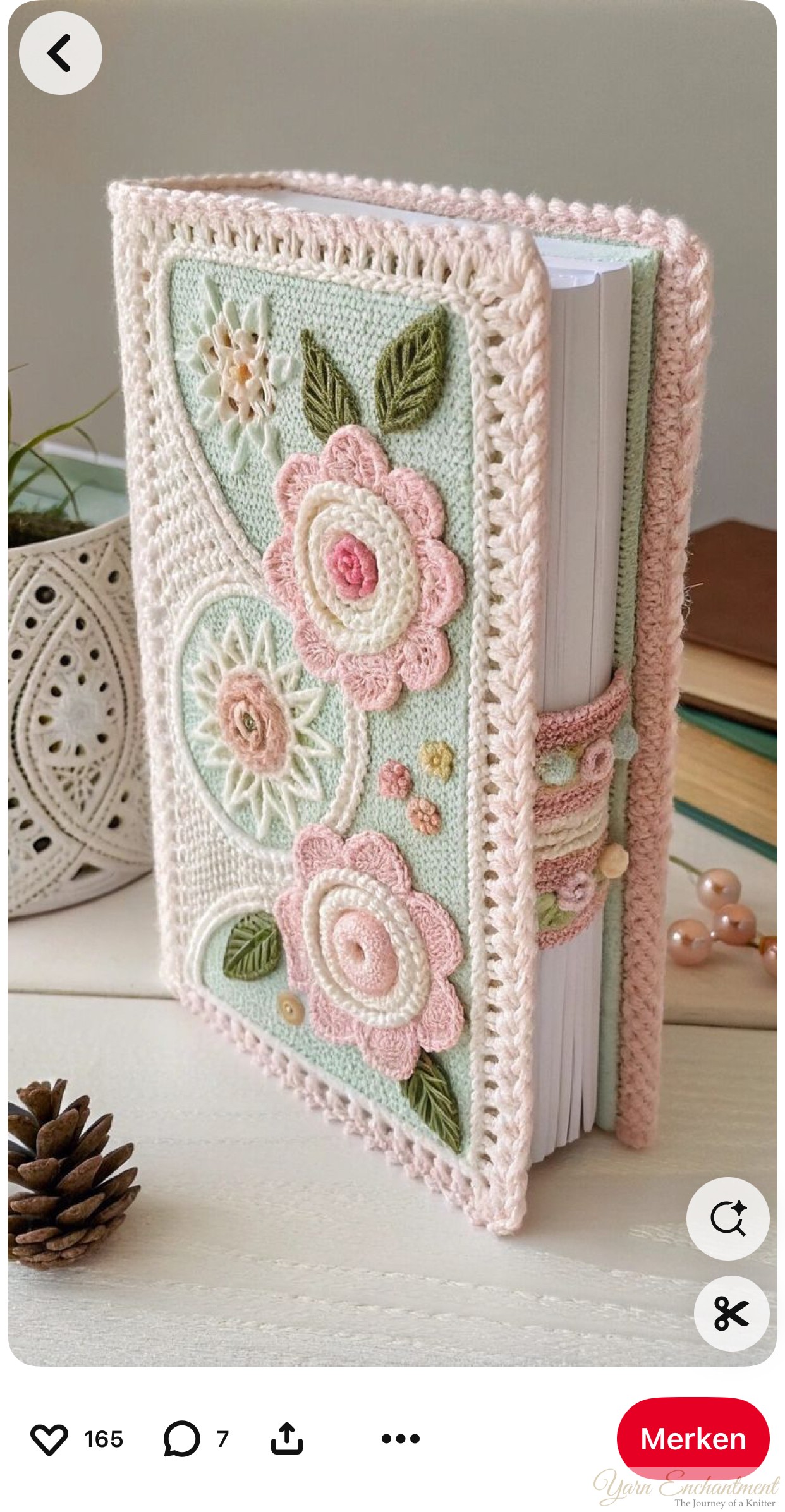
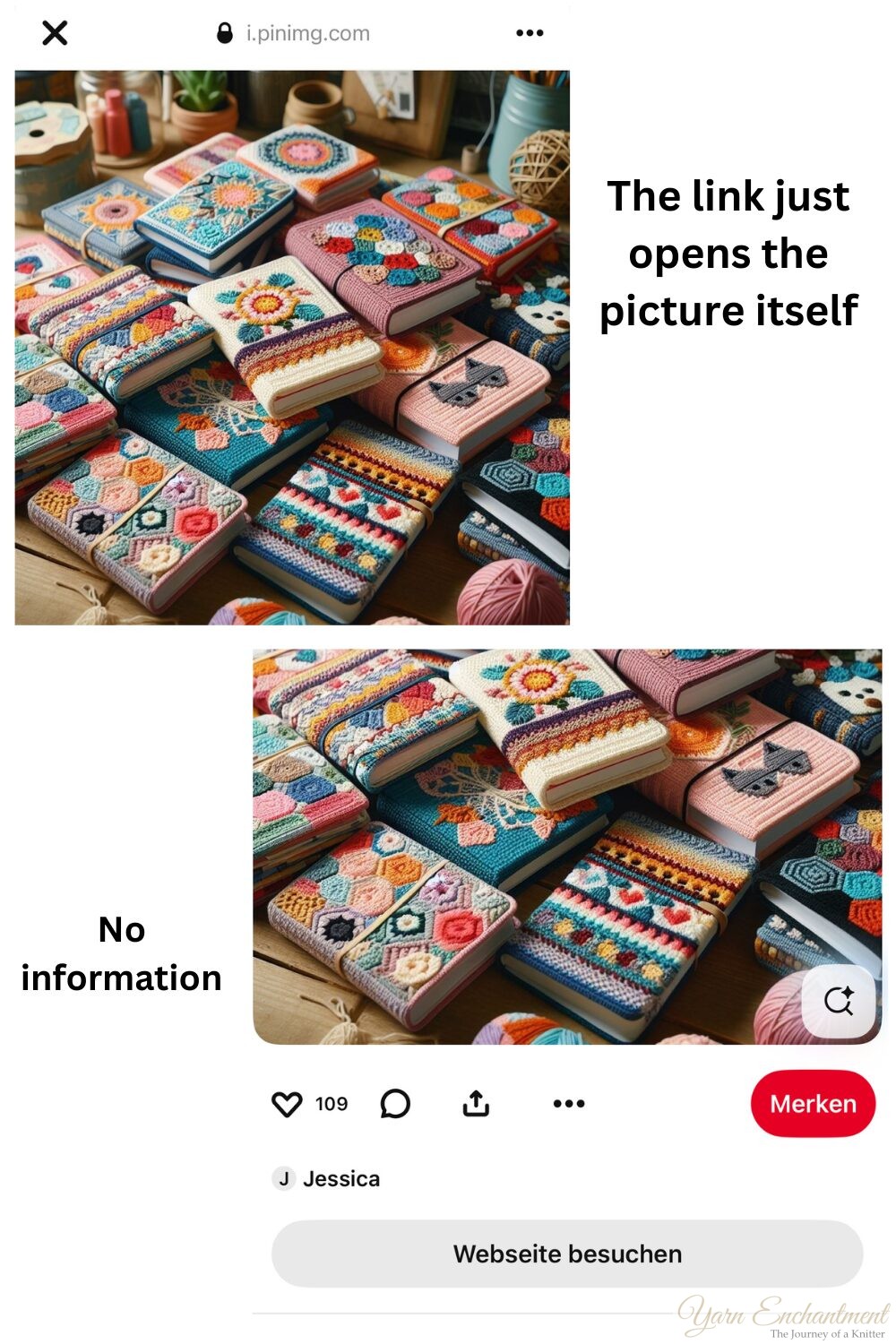
I found this picture on Pinterest - it’s supposed to be a crochet book cover. However, when you click on the link, you’re directed to a blog filled with ads, pop-ups, and more AI-generated patterns. In many cases, the link leads to a 404 error or redirects you to an Etsy category page for book covers. You can tell from the stitches that this is a fake picture (picture source: Pinterest)
10 Ways to Spot AI-Generated Crafting Images
Here’s the good news: AI-generated images often have subtle (or not-so-subtle) giveaways. By learning to spot these signs, you can save yourself a lot of time and frustration. Let’s break it down:
1. Look for Unrealistic Details in Textures
- Fabric and Yarn Details: AI often struggles to replicate the intricate textures of materials like yarn, fabric, or felt. Fibers may appear too smooth, overly uniform, or unrealistically textured.
- Knitting and Crochet Stitches: Stitches in AI-generated images might look inconsistent, distorted, or not follow common patterns.
If the texture looks "too perfect" or unrealistic, it’s likely AI-generated.
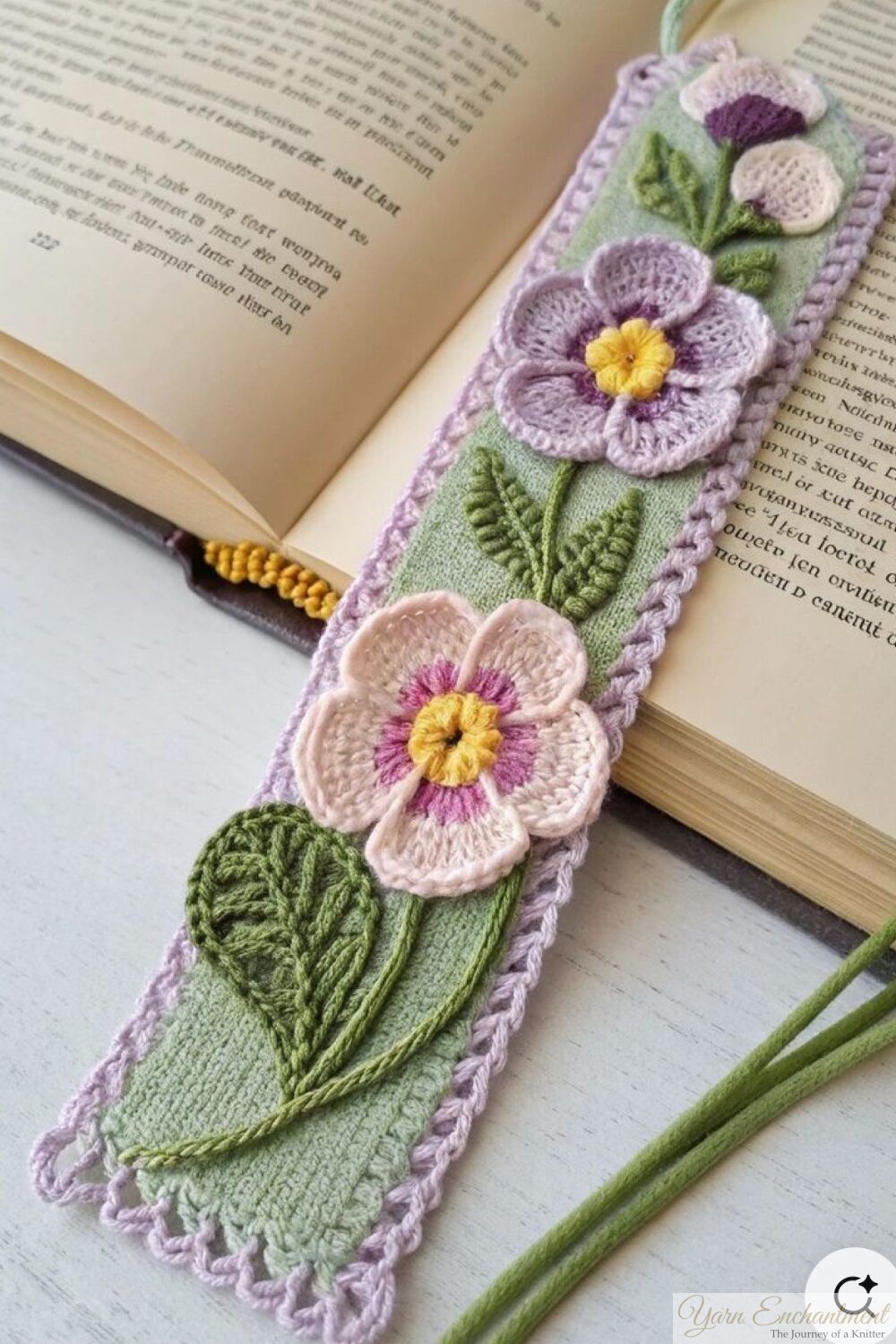
At first glace this bookmark looks really beautiful! (picture source: Pinterest)
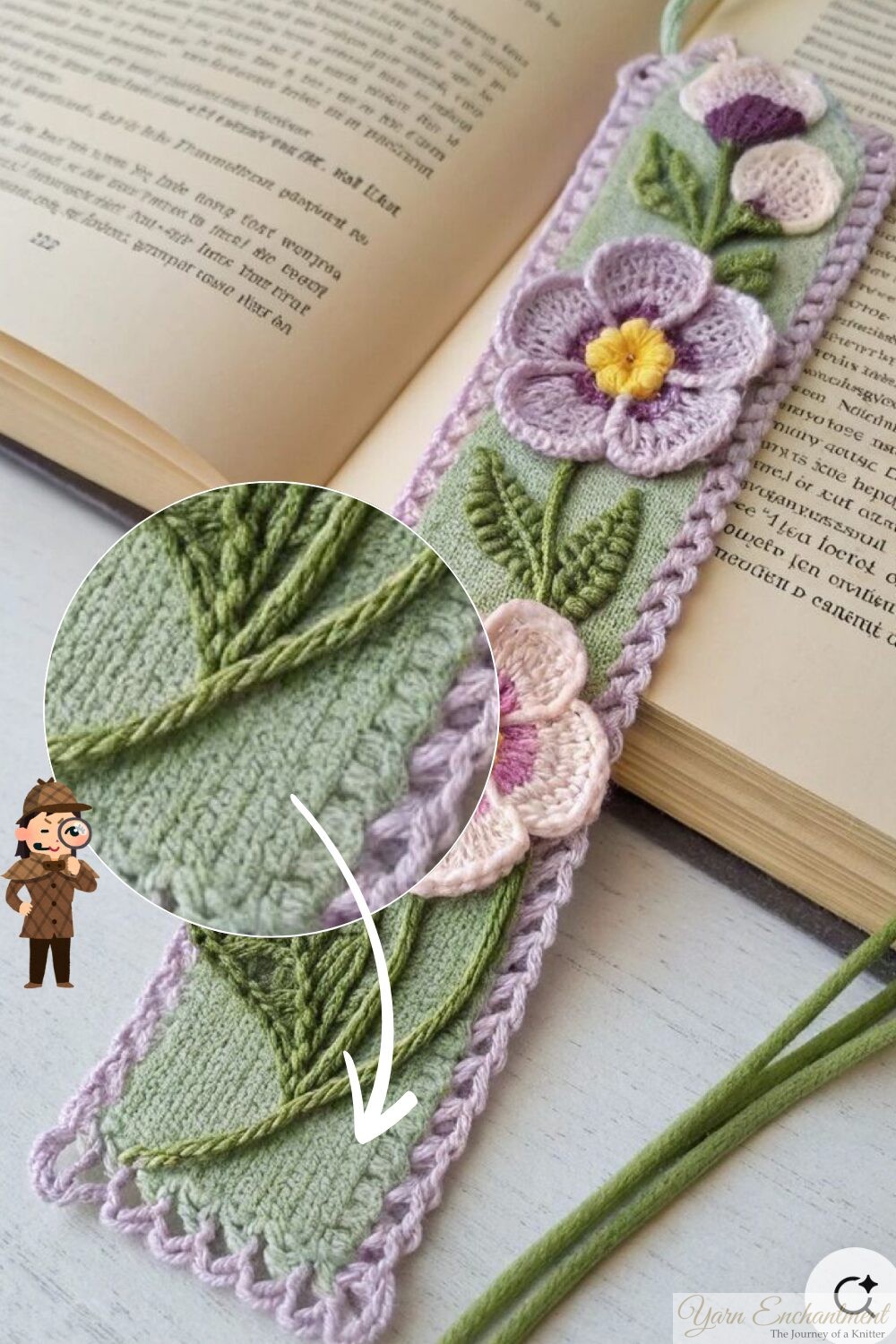
But when you look closely, you can see that the stitches aren’t real stitches. The base should be a single crochet stitch, and the flowers would typically be sewn onto it. However, this isn’t the textured stitch you’d expect from a real crochet project. The second indicator that this is an AI-generated image is the text on the book. (picture source: Pinterest)
2. Analyze Tools and Supplies
- Oddly Shaped Tools: Needles, scissors, crochet hooks, yarn or other crafting tools may appear misshapen, blurry, or incomplete.
- Inconsistent Proportions: Tools might be disproportionate in size compared to the materials or the hands holding them.
Real crafting tools are consistent and functional - if they look odd, proceed with caution.
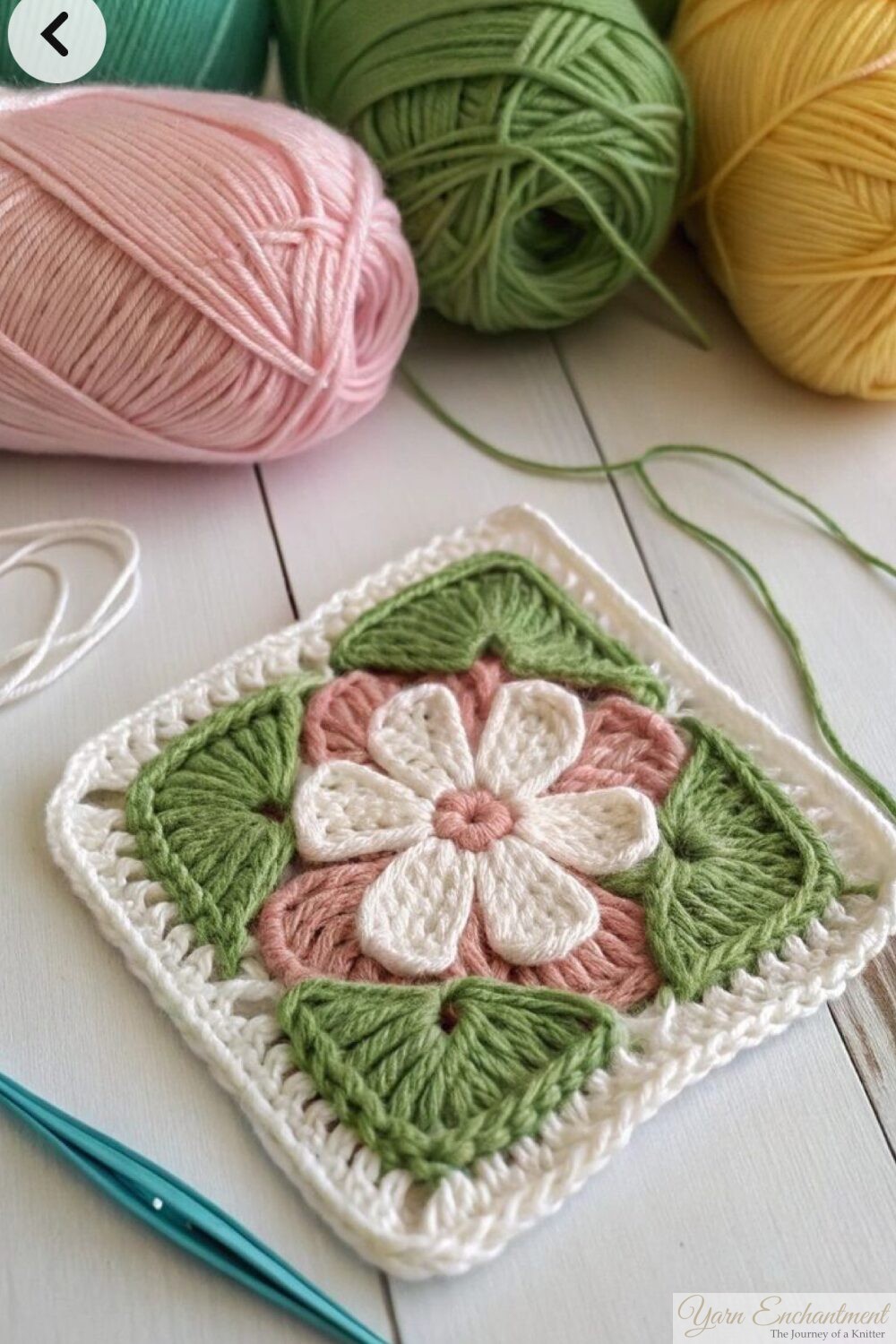
Again, at first glace you think this is really beautiful (picture source: Pinterest)
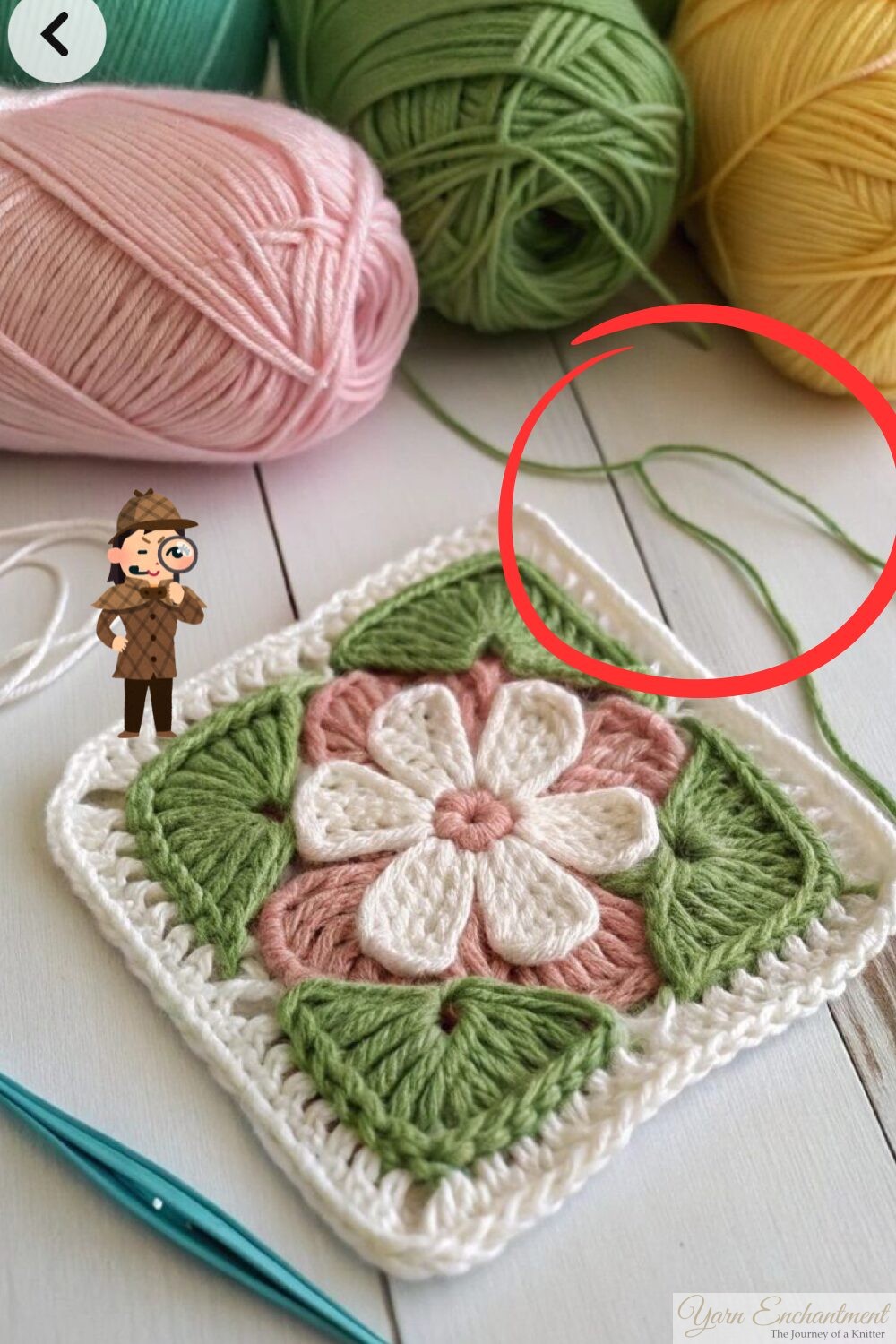
But when you look closely, you can see that one strand of yarn at the back splits into two. This is a sure sign that this is an AI-generated picture. Again, the stitches don’t look like real crochet stitches, and the texture is just too smooth, with no fuzziness. (picture source: Pinterest)
3. Inspect the Writing
- Books, Labels, or Tags: If the image includes text - such as on books, labels, or tags - the writing often makes no sense. AI struggles to generate coherent text, and it may look like a random mix of letters, symbols, or nonsensical combinations resembling Latin, Russian, or other languages.
- Handwritten Notes: Handwriting in AI-generated images often looks distorted, overly uniform, or completely illegible.
If the text looks strange or doesn’t make sense, it’s a strong indicator that the image is AI-generated.
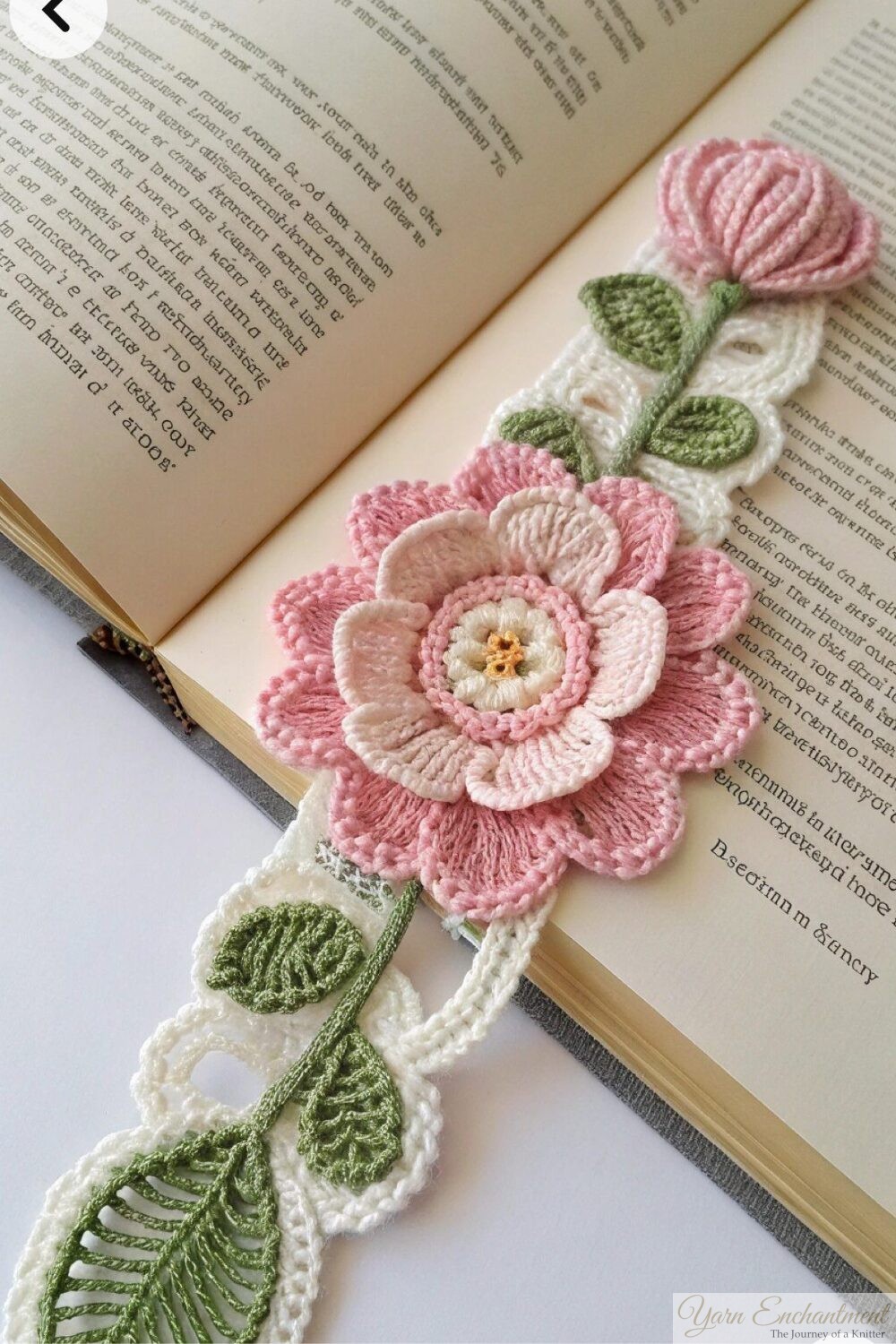
A crochet flower bookmark on a book, featuring a really beautiful stitch pattern? (picture source: Pinterest)
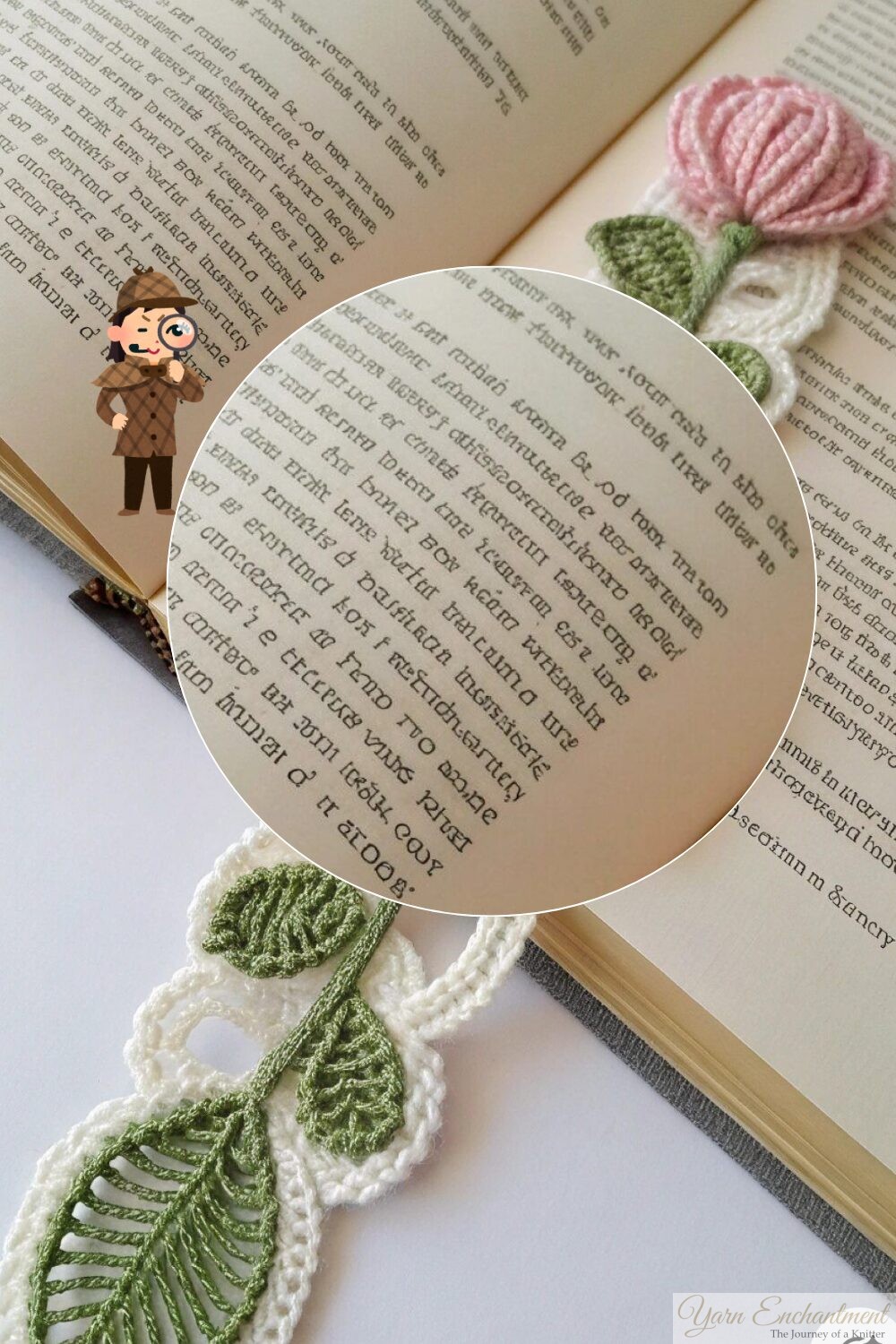
I’m sorry to disappoint you, but once again, this is an AI-generated picture. This time, I made the text bigger so you can clearly see that it’s complete nonsense and doesn’t make any sense at all. But aside from the text, the stitches aren’t realistic, and the texture is just too perfect. (picture source: Pinterest)
4. Pay Attention to Color and Patterns
- Unrealistic Colors: AI-generated crafting projects sometimes use colors that are too vivid, unnatural, or inconsistent with real materials.
- Pattern Distortions: Quilt blocks, fabric prints, or designs on projects may have warped, blurry, or nonsensical patterns.
If the color palette or patterns seem off, it’s a red flag
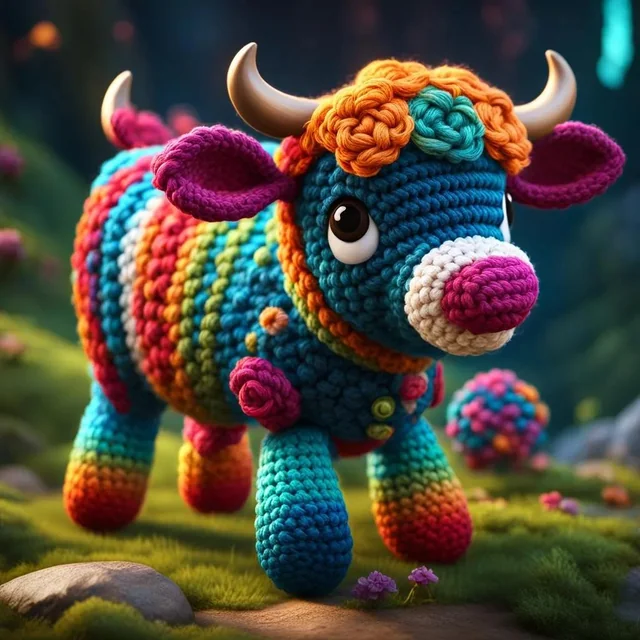
This colorful cow is a great example of an AI-generated image. It’s colorful, the stitches have a smooth texture, and the background is very dreamy. AI often blurs the background to mimic a professional look. (picture source: Reddit)
5. Look for multiple angles.
- Right now, AI image generators just can’t get it right when it comes to showing an item from multiple angles with consistent details (not yet, anyway). So if you’re only seeing one image, it’s probably a good idea to trust your gut and assume it might not be legit.
1. AI-generated images often feature an idealized lighting setup that feels inviting and magical.
2. The stitching on the body appears extremely precise, which is difficult to achieve in real handmade crochet.
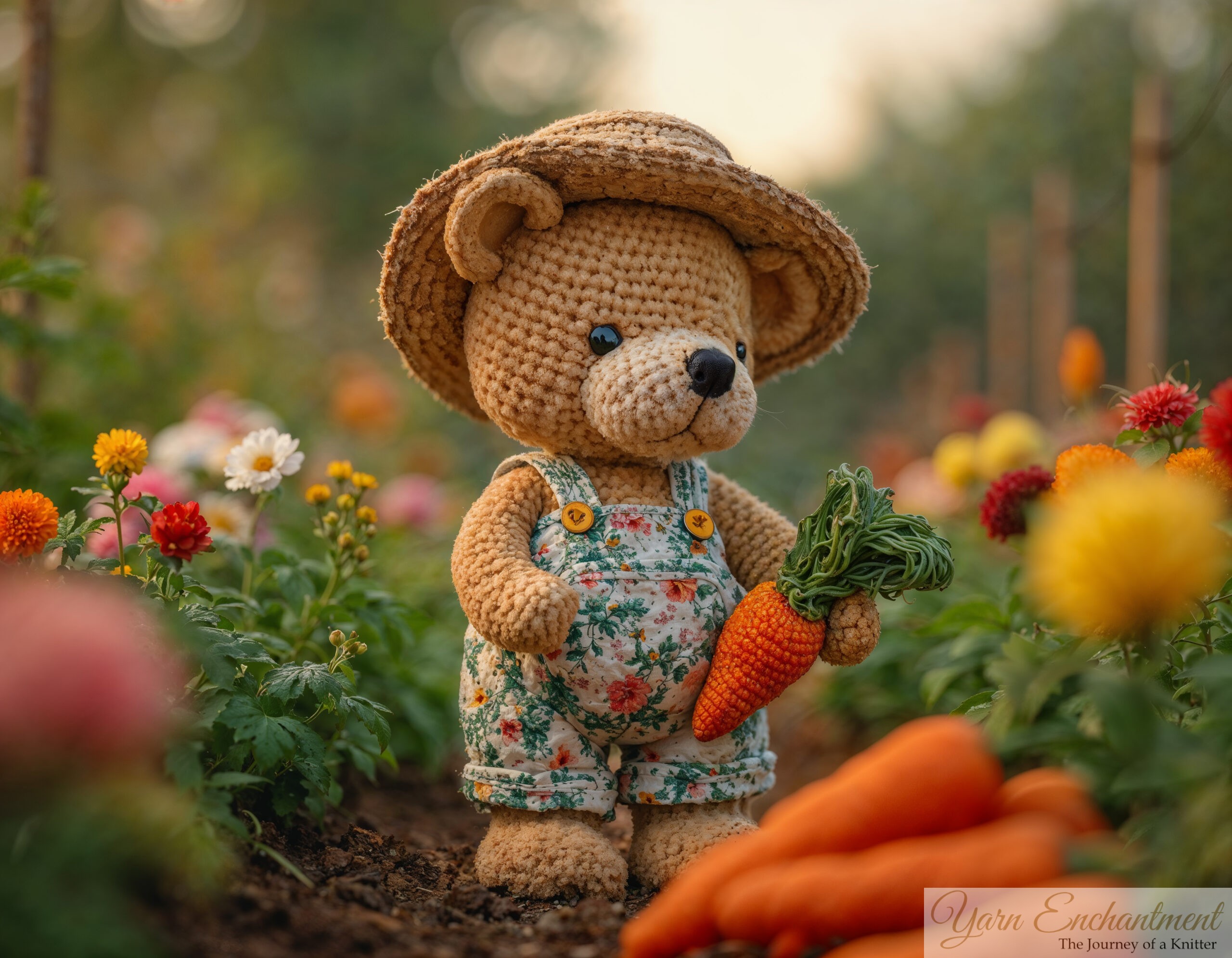
3. AI-generated visuals often lean toward storytelling or fantastical themes, as seen here with the crocheted teddy bear dressed as a farmer, or the background can also be very plain with no distraction, like the unicorn a few pictures below. (picture source: Freepic)
6. Look Closely at Hands and Fingers
- Unnatural Hand Shapes: AI struggles with hands, often creating extra fingers, missing knuckles, or unnatural finger positions.
- Tool Grip: The way the hands hold tools might look awkward or physically impossible.
Hands are a dead giveaway - if they look strange, the image is likely AI-generated.
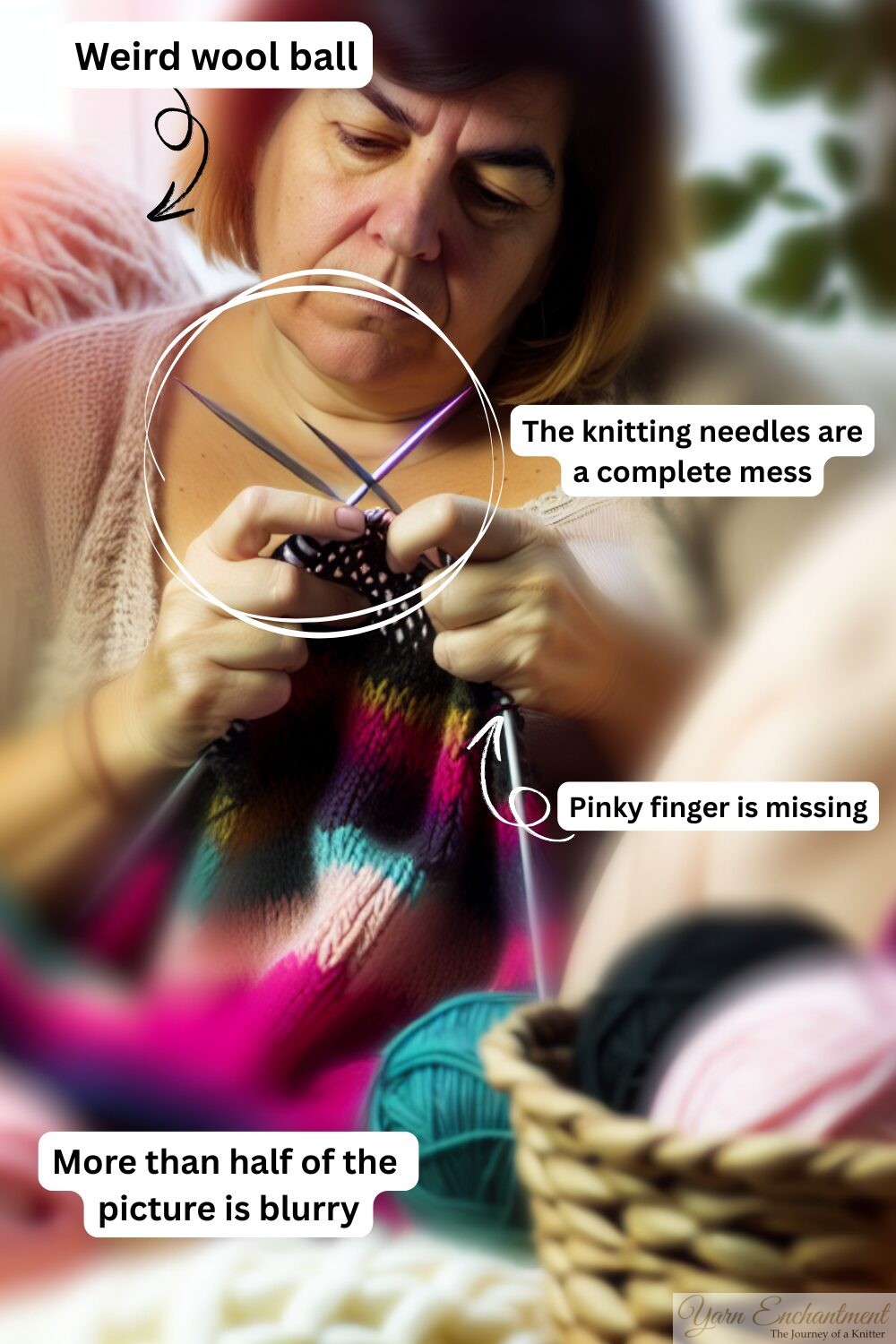
This picture is one of the really bad ones - you can actually see immediately that it isn’t real. This is an old picture I made just for fun about two years ago. AI has gotten a lot of updates since then and is much better now - but hands are still something it struggles with.
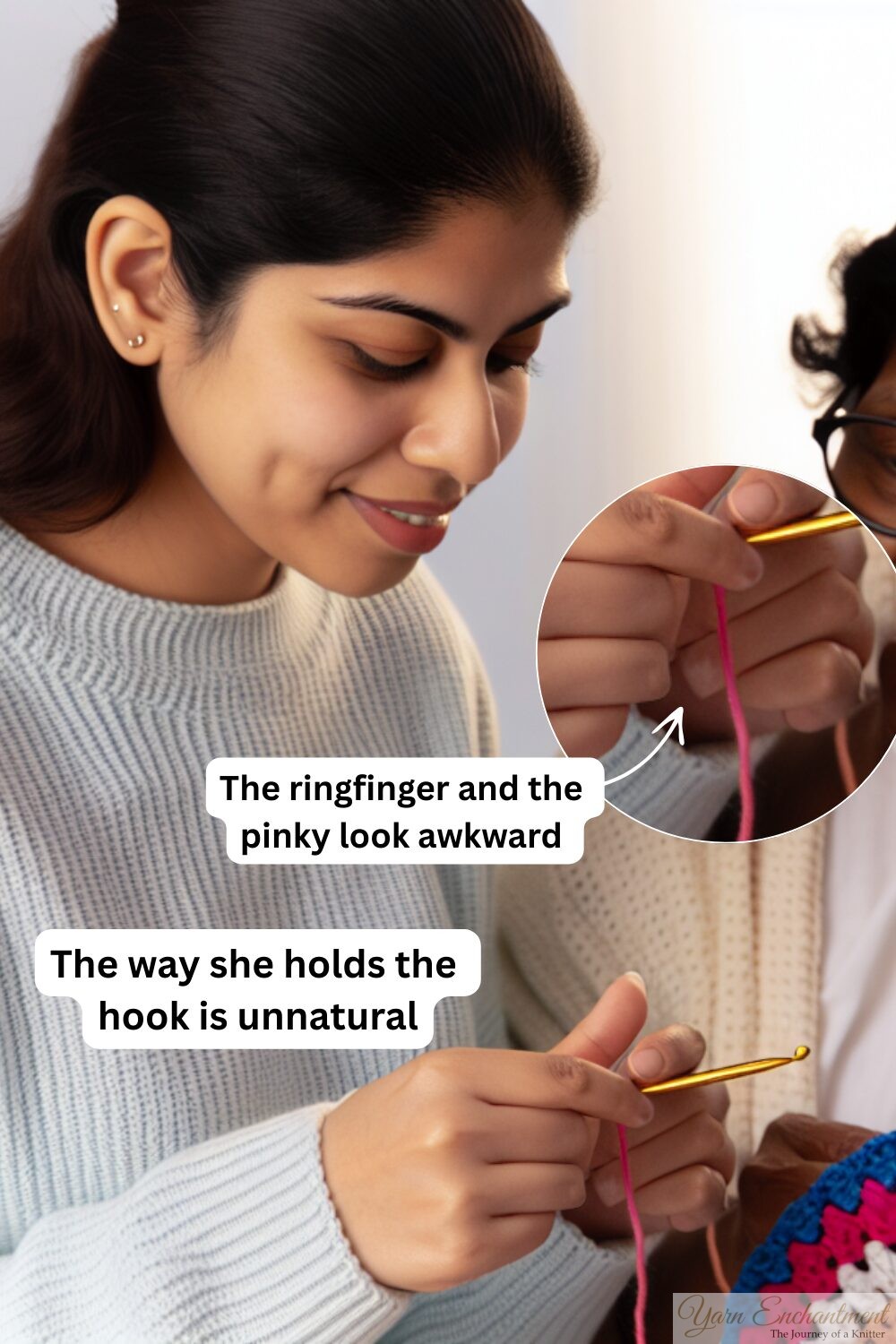
This picture looks really good at first glance, but if you look closely at the hands, you’ll notice how the woman is holding the crochet hook - it just doesn’t look natural. The yarn strands also appear unrealistic, and the crochet hook itself looks off. The hook’s shape is strange, which is a clear giveaway that this is AI-generated.
7. Lack of Context
AI-generated images often lack context or accompanying details on Pinterest. For example:
- The pin links to a dead end or unrelated website.
- There’s no text or instructions explaining the pattern.
Real crafters almost always include some form of context, or real links where you can find the pattern.
When scrolling through Pinterest, you’ll often notice that AI-generated images lack a real description, and the links lead nowhere. As a result, you can end up spending hours searching for a pattern that doesn’t even exist. (picture source: Pinterest)
8. Check for Missing Imperfections
- Perfectionism: Real crafting projects often have minor imperfections, such as uneven stitches, variations in tension, or slight misalignments. AI-generated images tend to look overly perfect and flawless.
- Lack of Wear and Tear: Finished projects may lack signs of real handling, such as creases, slight fuzziness, or stretching.
Real projects have character - AI-generated ones often don’t.
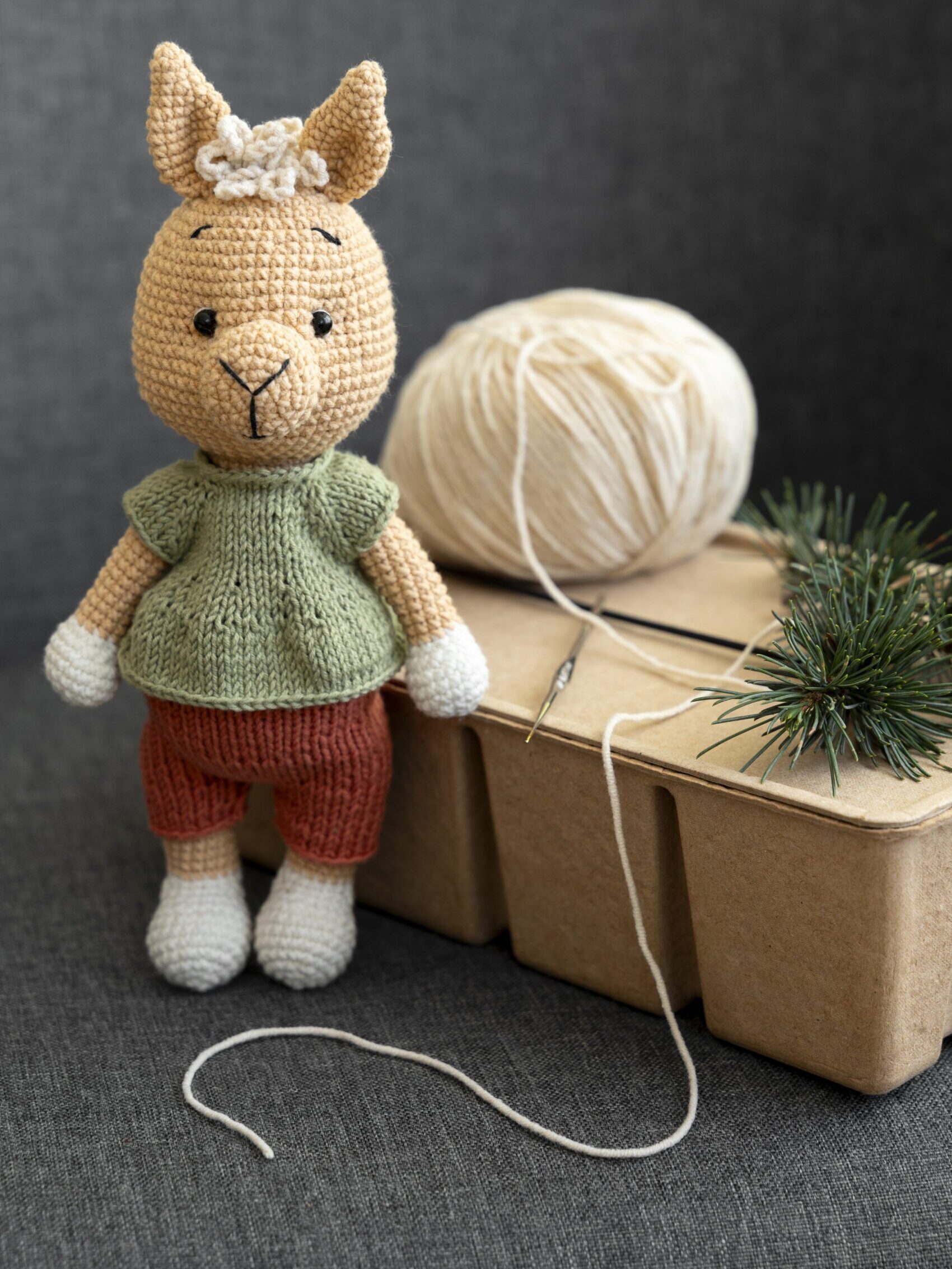
This is a real picture, and you can immediately see that it’s genuine just by looking at the green shirt the plushie is wearing. You can tell this is a knitted RVO, and you can even spot little imperfections at the increases on the body. (picture source: Freepic)
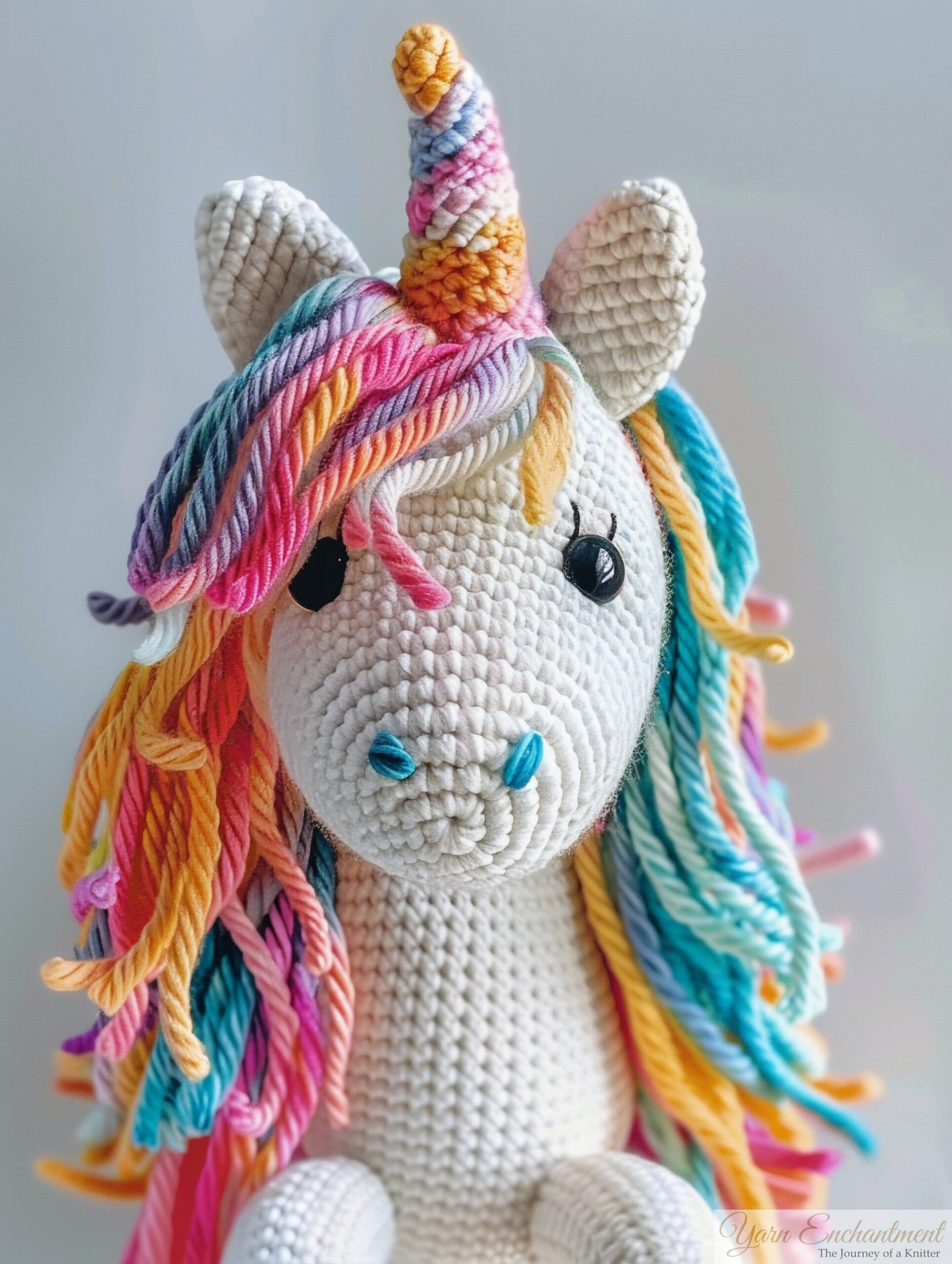
This is an AI-generated picture, and you can tell just by how perfect it looks - perfect symmetry, smooth texture, and the yarn strands (hairs) hanging over the horse’s face aren’t even touching the horse. (picture source: Freepic)
9. Suspiciously Perfect Lighting
- Even Lighting: AI images often feature perfectly even lighting with no shadows, making the image look unnatural.
- Reflections: Reflections on glossy materials like knitting needles or scissors might be distorted or missing.
Real lighting has depth and shadows - if it’s too perfect, it’s likely AI.
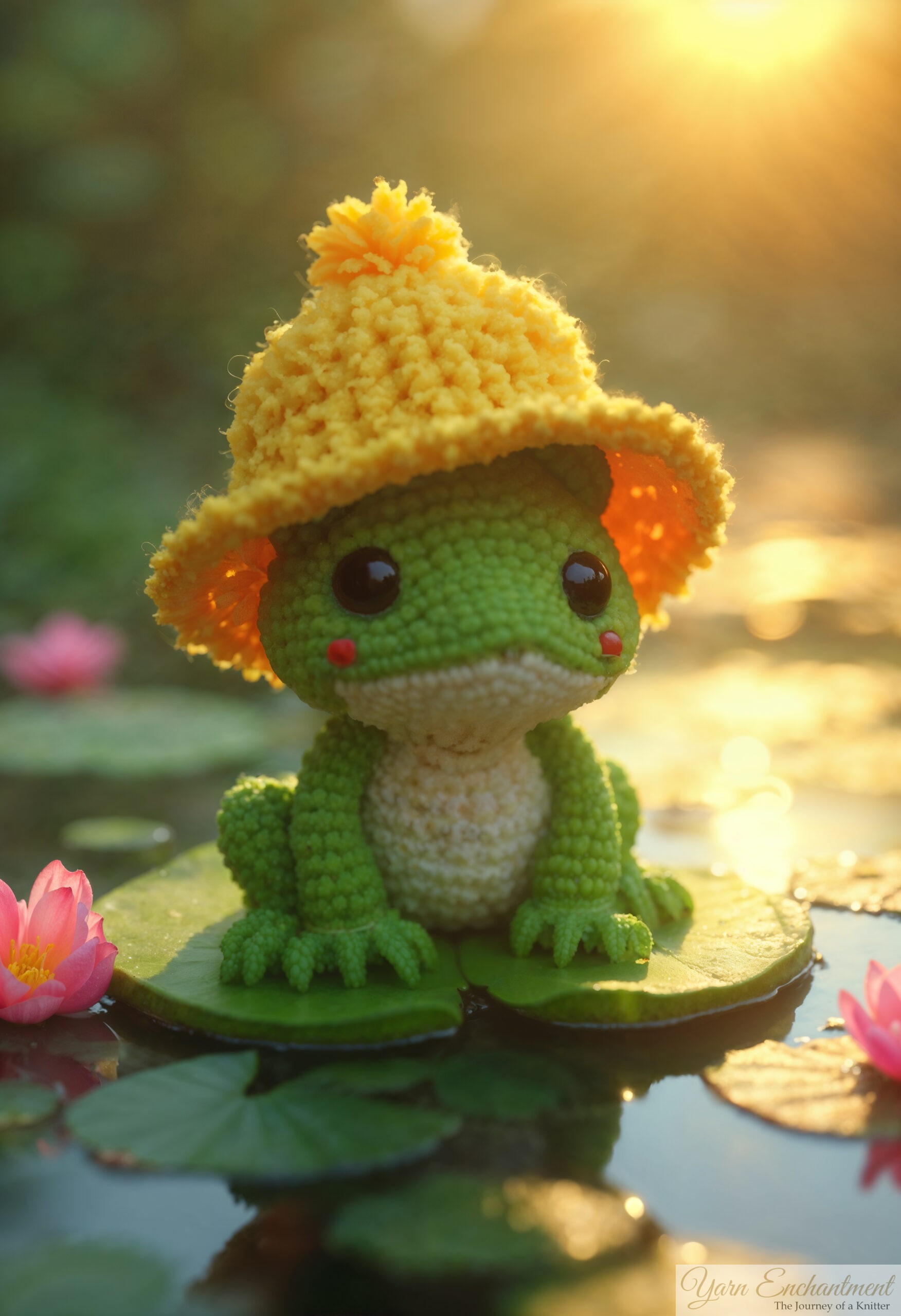
The lighting in this image is carefully crafted, with golden sunlight streaming in from behind. It creates that "perfect" warm glow, complete with soft reflections on the water. The whole picture has this super polished, almost dreamlike feel to it—exactly the kind of thing you’d expect from AI-generated visuals. (picture source: Freepic)
10. Use Reverse Image Tools
- Check Authenticity: Use tools like Google Lens or TinEye to see if the image is original or AI-generated.
Reverse image search is a quick and easy way to verify authenticity.
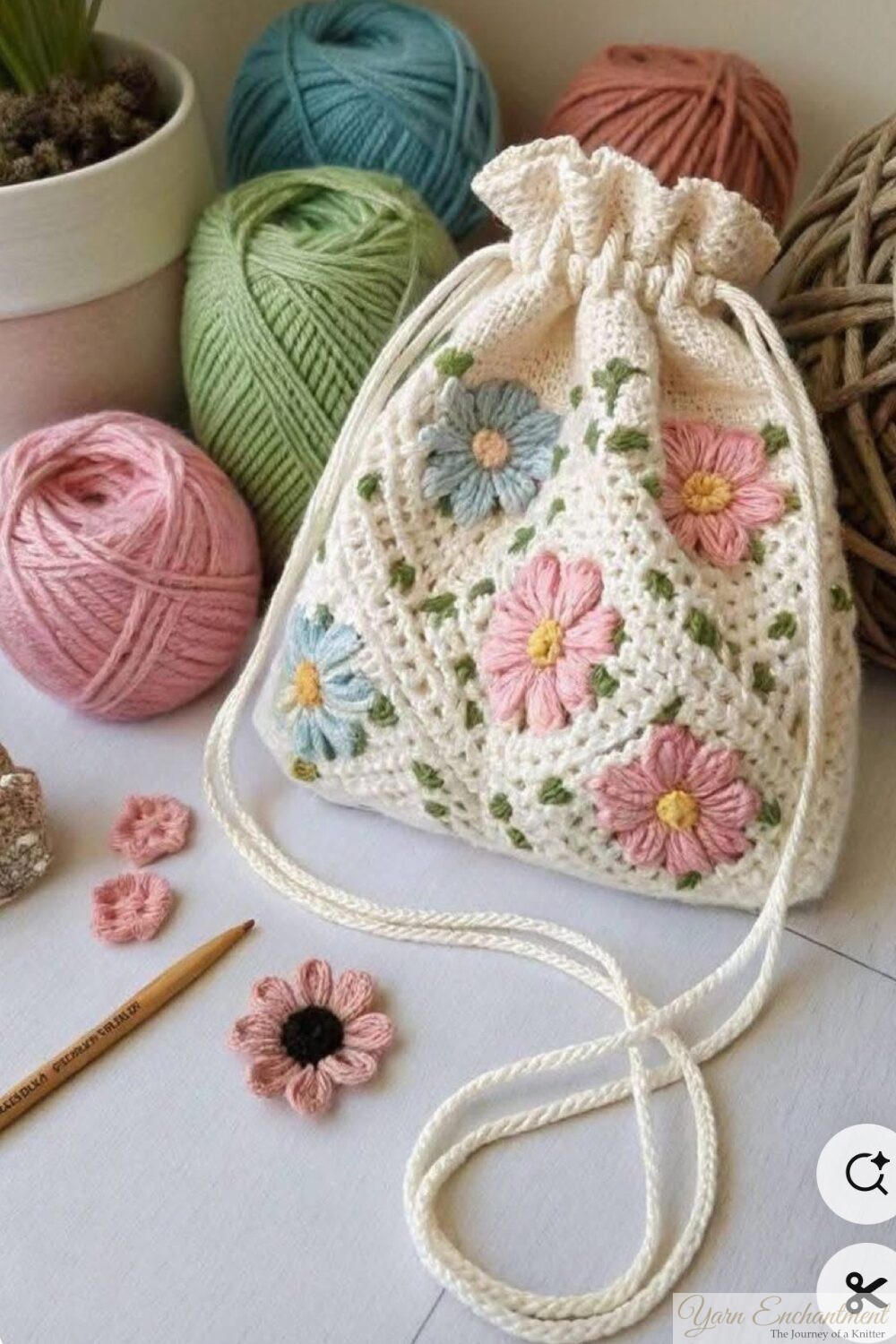
This is another AI-generated image I found on Pinterest, and you can tell it’s not real just by looking at the knitting needle on the left side. Once again, there’s weird text on it - why is there even a knitting needle when this is supposed to be a crochet drawstring bag? Another sign that this isn’t a real project is that the stitches don’t resemble actual granny square clusters.
💡 Now that you know what to look for, here are a few practical tips to avoid wasting time on fake patterns:Tips to Avoid Fake Patterns
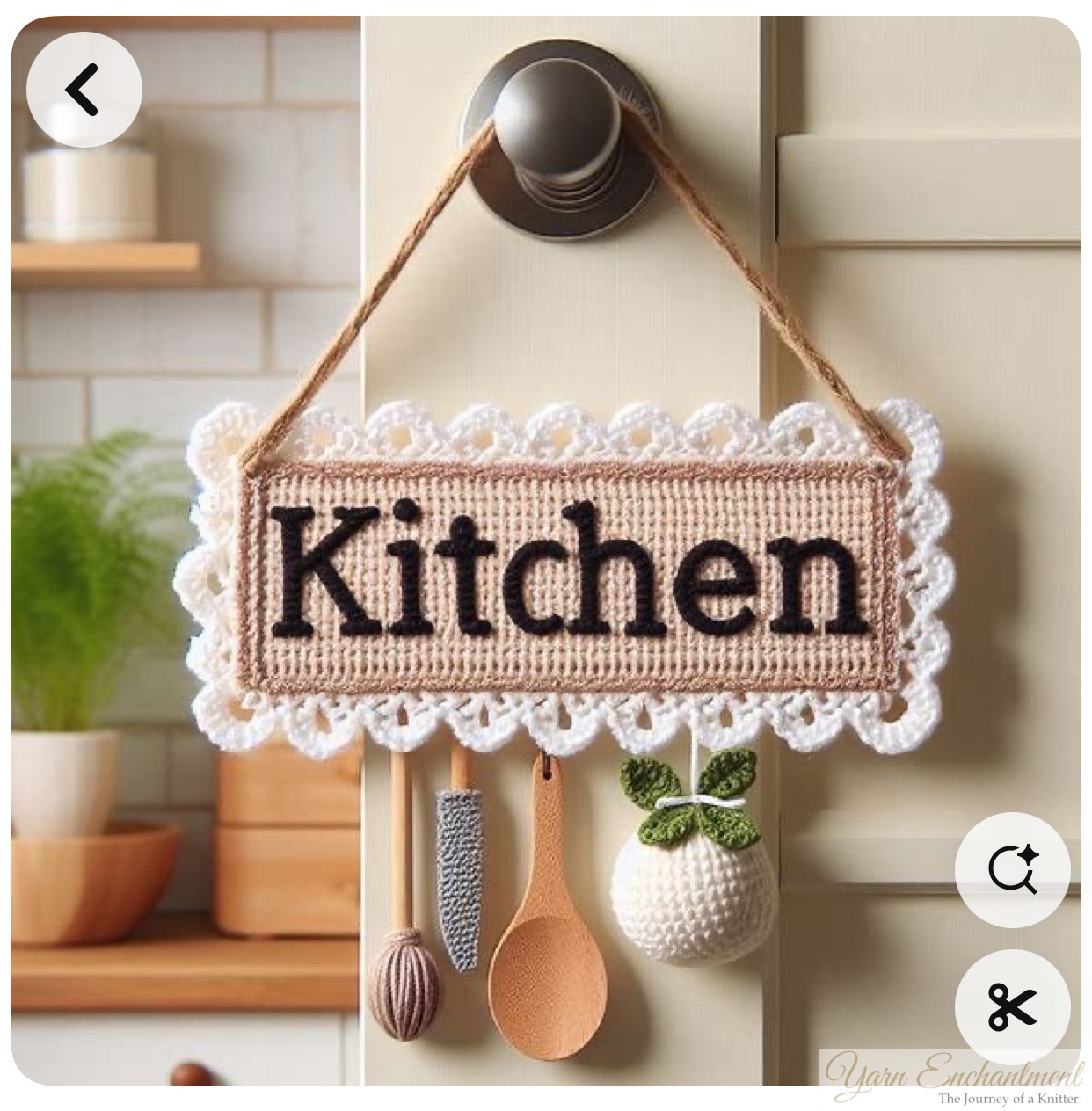
This is another AI-generated picture, and you can tell just by looking at the stitches and the items hanging on the crochet project. These items must be so heavy that the fabric should either stretch or have some kind of wrinkles - but that’s not the case here. (picture source: Pinterest)
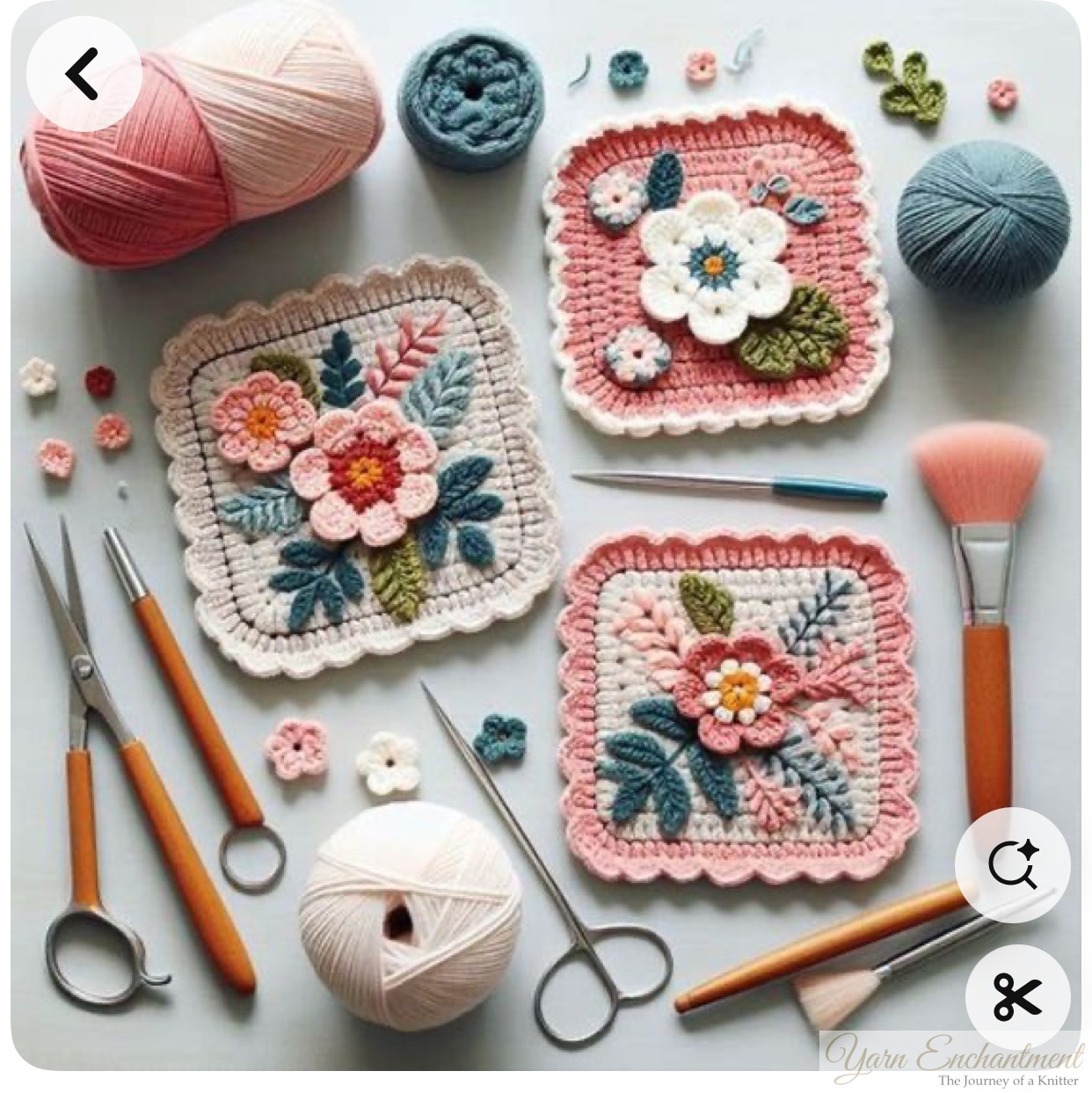
The granny squares here aren’t real granny squares - the texture is too smooth, and the stitches aren’t realistic. Additionally, the items placed around it, like the two yarn skeins in the upper left corner, look as though they’ve melted together. This picture is screaming "AI," yet it’s still surfacing on Pinterest and confusing people. (picture source: Pinterest)
Final Thoughts
AI-generated crafting images are becoming harder to spot, but they don’t have to derail your creative process. By learning to identify unrealistic details, lack of context, unusual colors, weird text, or fingers, repetitive patterns, and missing information, you can save yourself hours of frustration and focus on real, usable patterns. Sometimes, there might be a little text in the bottom left corner indicating that this is an "AI-modified picture." However, this is really rare.
Every image I’ve shown you today is a screenshot from Pinterest or generated by myself. Some of them are also from Freepic - and except for one image to show you the difference, every single one is AI-generated. There’s no real pattern behind them. I hope this post will help you navigate Pinterest or other platforms with confidence and avoid falling into the AI traps.
Have you ever encountered AI-generated crafting images? Share your experiences in the comments below - I’d love to hear your thoughts. And don’t forget to pin this post to help other crafters avoid the same pitfalls!
Until then, happy crafting!
Sometimes, there might be a small text in the bottom left corner indicating that this is an "AI-modified picture." However, this is really rare. In the bottom left corner, you can see the label "KI modifiziert," which is German and translates to "AI-generated." (picture source: Pinterest) 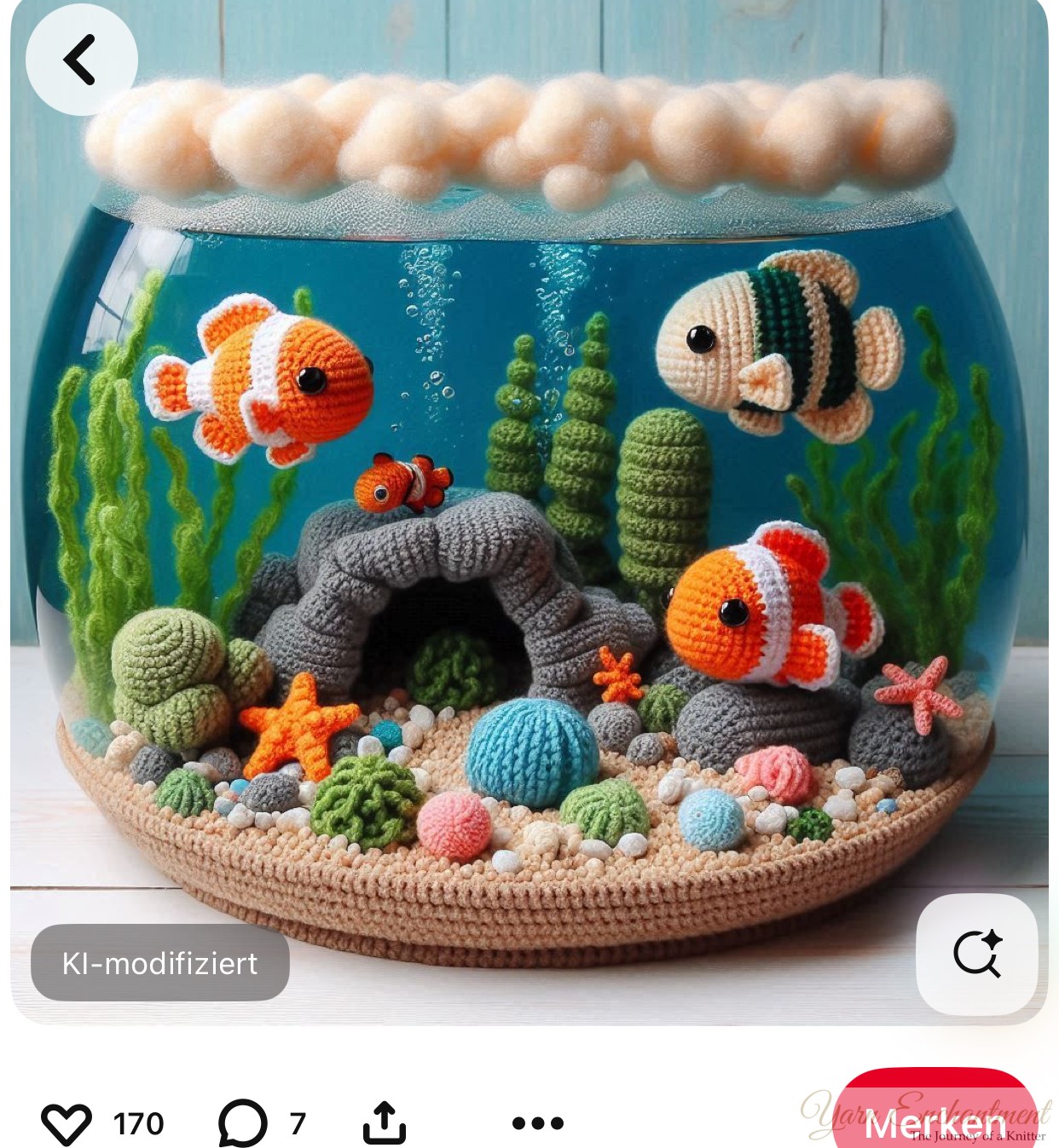
A Little Way to Say Thanks
You Might Also Like


 |
|
Join the Cozy Corner Newsletter
Hello, creative soul. Welcome to the Yarn Enchantment Newsletter, a little space where we celebrate all things cozy, crafty, and full of heart. Think of this as your friendly crafting companion, a soft dose of inspiration delivered straight to your inbox, just for you. Each newsletter brings you: ✨ Notifications about new patterns and tutorials – easy knitting patterns and beginner crochet projects you won’t find anywhere else 🧶 Practical yarn tips for new crafters, plus advice on the best yarn for fall, blankets, and handmade gifts 💌 Small stories and adventures from my own workbench, because crafting is as much about the journey as the finished piece Whether you’re knitting by the fire, looking for your next creative spark, or simply wanting a quiet moment with your hooks and needles, this newsletter is here to cheer you on. Crafting isn’t just about the final project. It’s about the joy, the peace, and the stories we weave along the way. So grab a cup of tea or coffee, settle in, and join me. Together we’ll make a little magic, one stitch and one story at a time. I’m so glad you’re here. Let’s create something beautiful together. Sign up below to receive your first email, and feel free to leave a comment on the blog if there’s a topic you’d love to see covered. Your ideas might just become our next newsletter feature. (Note: If you're using an ad blocker, you may encounter issues subscribing to the newsletter. To subscribe, please consider disabling your ad blocker.)
|